



How to Get Traffic to Your Website: The Role of SEO
Getting traffic to your website can feel like shouting into the void sometimes. You’ve built this amazing site, poured your heart into creating content, and yet… crickets. Sound familiar? If you’re nodding your head right now, you’re not alone. The truth is, building a website is just the beginning. The real challenge lies in getting people to actually find and visit it.
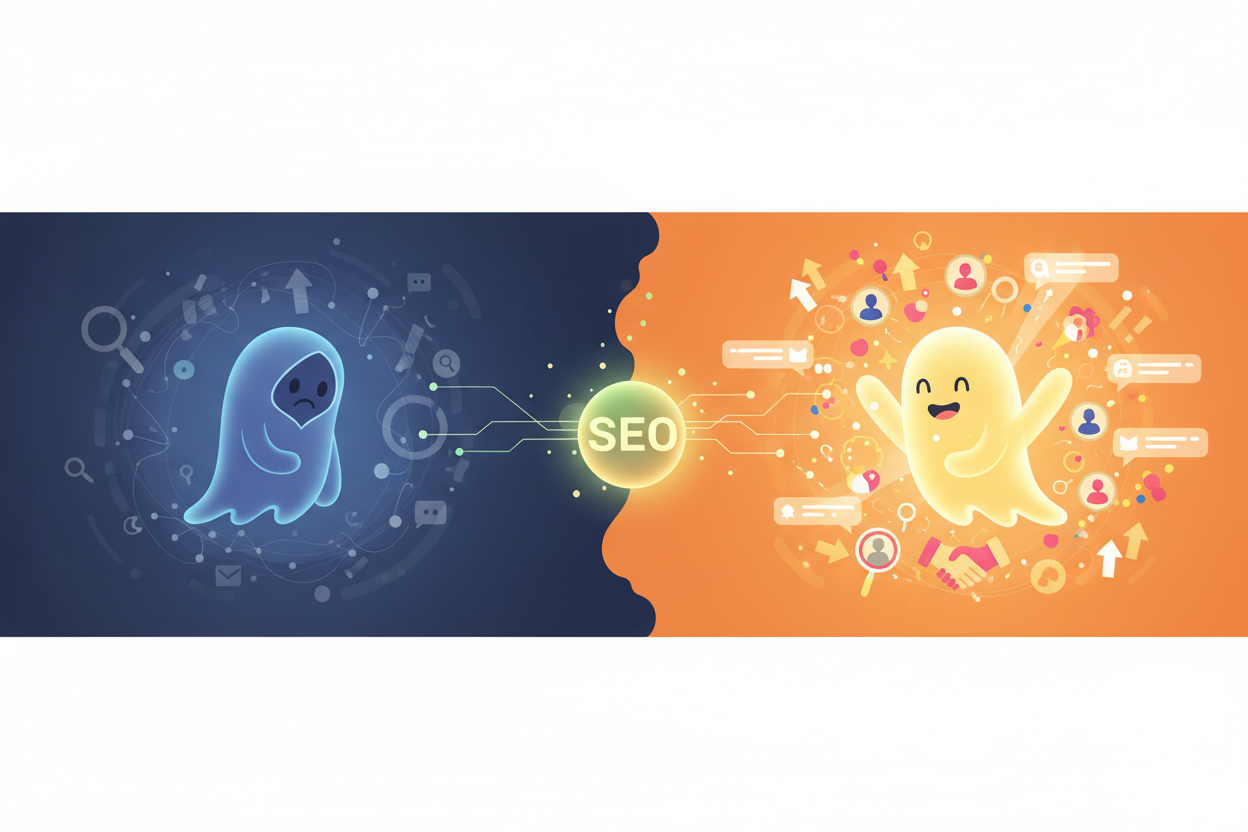
That’s where Search Engine Optimization (SEO) comes into play. Think of SEO as your website’s best friend – the one who introduces you to all the right people at a party. Without proper SEO, your website is essentially invisible to the billions of people searching for exactly what you offer every single day. But here’s the good news: SEO isn’t some mysterious black magic that only tech wizards can master. It’s a learnable skill that can transform your website from a ghost town into a bustling hub of activity.
Understanding the SEO-Traffic Connection
Before we dive into the nitty-gritty of SEO strategies, let’s talk about why SEO is so crucial for driving website traffic. When someone has a question, needs a product, or wants to learn something new, where do they go? That’s right – Google. In fact, Google processes over 8.5 billion searches every single day. That’s a massive pool of potential visitors for your website.
SEO is essentially the process of making your website attractive to search engines like Google, Bing, and Yahoo. When search engines understand what your website is about and determine that it provides valuable information, they’re more likely to show it to people searching for related topics. The higher your website ranks in search results, the more likely people are to click on it and visit your site.

I remember when I first started my blog about sustainable living. Despite writing what I thought were amazing articles, I was getting maybe five visitors a day – and three of them were probably my mom checking if I’d posted anything new. It wasn’t until I started implementing proper SEO techniques that things began to change. Within six months, my daily traffic had increased to over 500 visitors, and it kept growing from there.
Keyword Research: The Foundation of SEO Success
If SEO is a building, then keyword research is the foundation. Keywords are the terms and phrases people type into search engines when they’re looking for information. Understanding what your target audience is searching for is absolutely crucial for creating content that will actually be found.
Start by putting yourself in your audience’s shoes. What problems are they trying to solve? What questions are they asking? If you run a fitness website, people might be searching for “how to lose weight fast,” “best home workout routines,” or “healthy meal prep ideas.” These are your potential keywords.
There are several excellent tools to help with keyword research. Google Keyword Planner is free and provides valuable insights into search volume and competition. Other popular options include Ahrefs, SEMrush, and Ubersuggest. When I’m researching keywords, I look for a sweet spot – terms that have decent search volume but aren’t so competitive that it’s impossible to rank for them as a smaller website.
Long-tail keywords are particularly valuable for newer websites. Instead of trying to rank for “fitness,” which is incredibly competitive, you might target “30-minute home workouts for busy moms.” These longer, more specific phrases often have less competition and attract more qualified traffic – people who are looking for exactly what you offer.
On-Page SEO: Optimizing Your Content for Search Engines
Once you’ve identified your target keywords, it’s time to optimize your actual web pages. On-page SEO involves making sure search engines can easily understand what your content is about and that it provides value to users.
Your page title is one of the most important on-page SEO elements. It should include your main keyword and be compelling enough to make people want to click. Think of it as your content’s first impression. A title like “10 Proven Strategies to Boost Your Website Traffic Through SEO” is much more effective than simply “SEO Tips.”
Headers (like the ones you’re reading now) help organize your content and give search engines clues about your page’s structure. Use your main keyword in your H1 tag and include related keywords in your H2 and H3 headers naturally. Don’t stuff keywords everywhere – search engines are smart enough to detect and penalize this practice.
The content itself should be comprehensive, helpful, and genuinely valuable to your readers. Search engines favor content that thoroughly covers a topic and keeps users engaged. Aim for at least 1,000 words for most blog posts, but remember that quality always trumps quantity. A well-written 800-word article is far better than a rambling 2,000-word piece that doesn’t provide real value.
Don’t forget about meta descriptions – those short snippets that appear under your page title in search results. While they don’t directly impact rankings, a compelling meta description can significantly improve your click-through rate, which does influence your SEO performance.
Technical SEO: The Behind-the-Scenes Magic
Technical SEO might sound intimidating, but it’s really about making sure your website runs smoothly and search engines can easily crawl and index your content. Think of it as the plumbing of your website – when it works well, nobody notices, but when it doesn’t, everything falls apart.
Page speed is crucial. If your website takes forever to load, visitors will bounce faster than you can say “search engine optimization.” Google has made it clear that page speed is a ranking factor, and it makes sense – nobody wants to wait around for a slow website. Use tools like Google PageSpeed Insights to identify and fix speed issues.
Mobile optimization is no longer optional. With more than half of all web traffic coming from mobile devices, your website must look and function perfectly on smartphones and tablets. Google uses mobile-first indexing, which means it primarily looks at the mobile version of your site when determining rankings.
Creating an XML sitemap helps search engines understand your website’s structure and find all your important pages. Most website platforms like WordPress can generate these automatically, but it’s worth checking to make sure yours is properly set up and submitted to Google Search Console.
SSL certificates (the little padlock you see in your browser’s address bar) are another technical factor that impacts both SEO and user trust. Google has confirmed that HTTPS is a ranking signal, and visitors are increasingly wary of websites that aren’t secure.
Content Marketing: Creating Value That Attracts Natural Traffic
Here’s where SEO gets really exciting – creating content that people actually want to read, share, and link to. Content marketing and SEO go hand in hand like peanut butter and jelly. Great content naturally attracts backlinks, social shares, and return visitors, all of which boost your SEO performance.
The key is to focus on your audience’s needs rather than just what you want to sell. What questions do they have? What problems are they trying to solve? What would make their lives easier or better? When you consistently provide valuable answers to these questions, you build trust and authority in your niche.
Diversifying your content types can help you reach different segments of your audience and rank for various types of searches. Blog posts are great for in-depth topics, but don’t overlook other formats like how-to guides, case studies, infographics, videos, and podcasts. Each type of content can attract different kinds of traffic and provide opportunities to target different keywords.
Consistency is absolutely crucial. Search engines favor websites that regularly publish fresh, relevant content. It doesn’t mean you need to post every day, but having a regular publishing schedule helps both search engines and your audience know what to expect. I’ve found that publishing two high-quality blog posts per week works well for most websites, but find a rhythm that works for your schedule and stick to it.
Link Building: Earning Authority and Trust
Backlinks – links from other websites to yours – are like votes of confidence in the eyes of search engines. When reputable websites link to your content, it signals that your information is valuable and trustworthy. However, not all links are created equal, and the quality of backlinks matters much more than quantity.
The best approach to link building is to create content so valuable that other websites naturally want to link to it. This might include original research, comprehensive guides, useful tools, or unique insights that provide genuine value to your industry or niche.
Guest posting on reputable websites in your industry can be an effective way to earn quality backlinks while also exposing your brand to new audiences. Just make sure you’re contributing genuinely helpful content rather than just trying to get a link.
Building relationships with other website owners, bloggers, and influencers in your space can lead to natural linking opportunities. Engage with their content, share their posts, and look for ways to collaborate. Sometimes a simple mention or quote in someone else’s article can result in a valuable backlink.
Measuring SEO Success and Adjusting Your Strategy
SEO isn’t a set-it-and-forget-it strategy. It requires ongoing monitoring and adjustment based on performance data. Google Analytics and Google Search Console are essential tools for tracking your SEO progress and identifying opportunities for improvement.
Key metrics to monitor include organic traffic growth, keyword rankings, click-through rates, and bounce rates. But remember, SEO is a long-term game. Don’t expect overnight results – it typically takes 3-6 months to see significant improvements from SEO efforts.
Pay attention to which pieces of content are performing well and try to understand why. Is it the topic, the keyword targeting, the content format, or something else? Use these insights to inform your future content strategy.
Search engine algorithms are constantly evolving, so staying informed about SEO best practices and industry changes is important. Follow reputable SEO blogs, attend webinars, and don’t be afraid to experiment with new strategies.
Conclusion
Getting traffic to your website through SEO isn’t about gaming the system or finding secret shortcuts. It’s about creating a website that genuinely serves your audience and makes it easy for search engines to understand and recommend your content to the right people.
The beauty of SEO is that it’s a sustainable, long-term strategy for driving traffic. Unlike paid advertising, which stops working the moment you stop paying, good SEO can continue bringing visitors to your website for months or even years after you publish a piece of content.
Start with the basics – understand your audience, research keywords, create valuable content, and optimize your website’s technical foundation. As you build momentum and see results, you can explore more advanced strategies like link building and content marketing.
Remember, every successful website started with zero visitors. The key is to be patient, consistent, and focused on providing real value to your audience. With time and effort, SEO can transform your website from an empty digital space into a thriving destination that attracts thousands of engaged visitors every month. Your future self will thank you for starting today.
Free Traffic Sources
Get Access To 15 Of The HOTTEST Free Traffic Sources On The Planet!


