


Email Marketing: Creating Campaigns that Convert
In today’s digital landscape, where social media algorithms change faster than the weather and paid advertising costs continue to soar, email marketing remains the unsung hero of digital communication. With an average ROI of $42 for every dollar spent, email marketing isn’t just surviving in our hyper-connected world—it’s thriving. But here’s the catch: not all email campaigns are created equal. The difference between an email that gets deleted and one that drives action lies in the art and science of conversion-focused email marketing.
I’ve been crafting email campaigns for over a decade, and I’ve seen everything from spectacular successes to cringe-worthy failures. The good news? Creating campaigns that convert isn’t rocket science, but it does require understanding your audience, crafting compelling content, and optimizing every element of your strategy. Let’s dive into the proven strategies that will transform your email marketing from a shot in the dark to a conversion powerhouse.
Understanding Your Audience: The Foundation of High-Converting Emails
Before you write a single subject line or choose a template color, you need to know who you’re talking to. This might sound obvious, but you’d be surprised how many marketers skip this crucial step and wonder why their open rates are flatlining.
Start by creating detailed buyer personas based on real data, not assumptions. Dive into your analytics, conduct surveys, and actually talk to your customers. What keeps them up at night? What solutions are they desperately seeking? When do they check their email? Understanding these nuances will inform every decision you make, from send times to content tone.
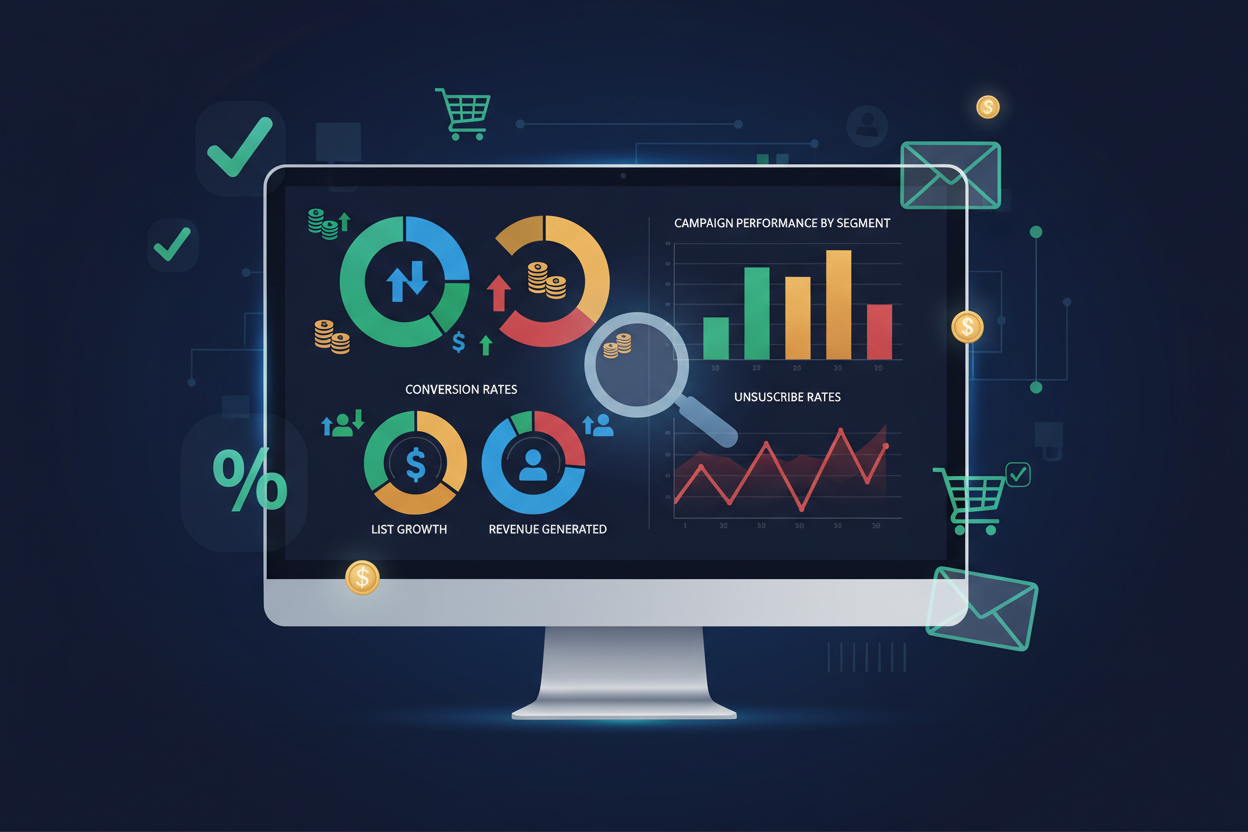
Segmentation is where the magic happens. A single blast to your entire list is like using a megaphone when you need a scalpel. Segment your audience based on demographics, purchase history, engagement levels, and behavior patterns. Someone who bought from you last week has different needs than someone who just subscribed to your newsletter. Treat them accordingly, and watch your conversion rates climb.
Crafting Irresistible Subject Lines That Drive Opens
Your subject line is your first impression, your foot in the door, your chance to stand out in a crowded inbox. It’s also where most campaigns live or die. The best subject lines create curiosity without being clickbait, promise value without overpromising, and feel personal without being invasive.
Length matters, but context matters more. While 30-50 characters often perform well on mobile devices, a longer subject line that perfectly captures your audience’s attention will outperform a shorter, generic one every time. Test different approaches: questions that spark curiosity, numbers that promise specific benefits, or personalization that makes the recipient feel special.
Avoid spam trigger words like “free,” “urgent,” or “act now” unless they’re genuinely relevant to your message. Instead, focus on creating emotional connections. “Your design is almost ready” performs better than “Complete your order now” because it creates anticipation rather than pressure.
Designing Email Templates That Convert
Design isn’t just about making things look pretty—it’s about guiding your reader’s eye toward the action you want them to take. The best email designs are clean, scannable, and mobile-optimized. Remember, over 60% of emails are opened on mobile devices, so if your email doesn’t look great on a smartphone, you’re already losing half your audience.
Use a single-column layout for better mobile compatibility, and keep your design elements consistent with your brand. Your emails should feel like a natural extension of your website and other marketing materials. This consistency builds trust and recognition over time.
White space is your friend. A cluttered email overwhelms readers and dilutes your message. Give your content room to breathe, use clear hierarchy with headings and subheadings, and make sure your call-to-action buttons stand out visually. Speaking of which, your CTA buttons should be large enough to tap easily on mobile and use action-oriented language that creates urgency without being pushy.
Writing Compelling Email Content That Resonates
Great email content feels like a conversation with a knowledgeable friend, not a sales pitch from a stranger. Start with a conversational tone that matches your brand personality. If you’re a fun, quirky brand, let that personality shine through. If you’re more professional and authoritative, maintain that voice consistently.
Structure your content for scanners. Most people don’t read emails word-for-word; they scan for relevant information. Use short paragraphs, bullet points, and clear headings to make your content easily digestible. Lead with your most important information, and don’t bury your main message at the bottom.
Tell stories that connect emotionally with your audience. Instead of just listing product features, share how those features solve real problems. Use customer testimonials and case studies to build credibility. Social proof is incredibly powerful in email marketing—people want to know that others like them have found success with your product or service.
Personalization Strategies That Boost Engagement
Personalization goes far beyond inserting someone’s first name in the subject line. True personalization involves delivering relevant content based on individual preferences, behaviors, and past interactions with your brand.
Use dynamic content to show different messages to different segments within the same email campaign. Someone who frequently buys athletic wear should see different product recommendations than someone who prefers formal clothing. This level of customization requires more setup initially, but the payoff in engagement and conversions is substantial.
Behavioral triggers are incredibly effective for personalization. Set up automated emails based on specific actions: welcome series for new subscribers, abandoned cart reminders for shoppers, or re-engagement campaigns for inactive subscribers. These emails feel timely and relevant because they respond to actual user behavior.
Optimizing Call-to-Action Elements
Your call-to-action is where conversion happens, so every element needs to be optimized for maximum impact. The placement, color, size, and copy of your CTA buttons can dramatically affect your conversion rates.
Use action-oriented language that creates urgency and clearly communicates the benefit. Instead of generic “Click Here” buttons, try “Get My Free Guide” or “Start My Trial Today.” The copy should tell readers exactly what will happen when they click.
Limit the number of CTAs per email. Too many options create decision paralysis. If you absolutely must include multiple CTAs, make one primary and the others secondary through visual hierarchy. The primary CTA should be the most prominent element in your email design.
Test different button colors, sizes, and positions. What works for one audience might not work for another. A/B testing is your best friend when it comes to optimizing CTAs. Test one element at a time to isolate what’s actually driving the improved performance.
Testing and Analytics for Continuous Improvement
Email marketing without testing is like driving with your eyes closed—you might reach your destination, but you’ll probably crash along the way. Systematic testing helps you understand what resonates with your specific audience and continuously improve your results.
Start with A/B testing your subject lines, since they have the biggest impact on open rates. Test send times, sender names, email length, and CTA placement. But remember to test one variable at a time, or you won’t know which change drove the results.
Look beyond basic metrics like open and click rates. Track conversion rates, revenue per email, list growth rate, and unsubscribe rates. These metrics give you a more complete picture of your email marketing performance. If your open rates are high but conversions are low, you might have a content problem. If both are low, your subject lines might need work.
Use heat mapping tools to see how recipients interact with your emails. Where do they spend the most time? What elements do they ignore? This data provides insights that traditional metrics can’t offer and helps you optimize your design and content placement.
Building Long-Term Subscriber Relationships
Conversion isn’t just about immediate sales—it’s about building relationships that drive long-term value. Focus on providing consistent value to your subscribers, even when you’re not actively selling something.
Create email series that educate and nurture your audience. Share industry insights, behind-the-scenes content, and helpful tips that position your brand as a valuable resource. When you do make an offer, your audience will be more receptive because you’ve already established trust and authority.
Respect your subscribers’ preferences and time. Provide clear unsubscribe options and honor them immediately. Allow subscribers to choose their email frequency and content preferences. It’s better to have a smaller, engaged list than a large list of disinterested subscribers who mark your emails as spam.
Creating email campaigns that convert isn’t about tricks or manipulation—it’s about understanding your audience deeply, providing genuine value, and making it easy for people to take the actions that benefit both them and your business. The strategies we’ve covered require effort and consistency, but they’re proven to work across industries and audience types.
Remember that email marketing is a marathon, not a sprint. Focus on building genuine relationships with your subscribers, continuously test and optimize your approach, and always prioritize providing value over making sales. When you get this balance right, conversions become a natural byproduct of great email marketing, and your campaigns will not only convert but also build lasting customer loyalty that drives long-term business success.
Free Traffic Sources
Get Access To 15 Of The HOTTEST Free Traffic Sources On The Planet!


