


SMS Marketing: Best Practices for Small Businesses
In today’s digital landscape, small businesses are constantly searching for cost-effective ways to reach their customers directly. While email marketing and social media dominate many marketing strategies, there’s one channel that consistently delivers impressive results: SMS marketing. With open rates exceeding 98% and response rates that blow email out of the water, text message marketing has become an indispensable tool for savvy small business owners.
If you’ve been hesitant to dive into SMS marketing or you’re already using it but want to maximize your results, this comprehensive guide will walk you through the essential best practices that can transform your customer communication strategy. From building your subscriber list to crafting messages that convert, we’ll cover everything you need to know to succeed with SMS marketing.

Understanding the Power of SMS Marketing for Small Businesses
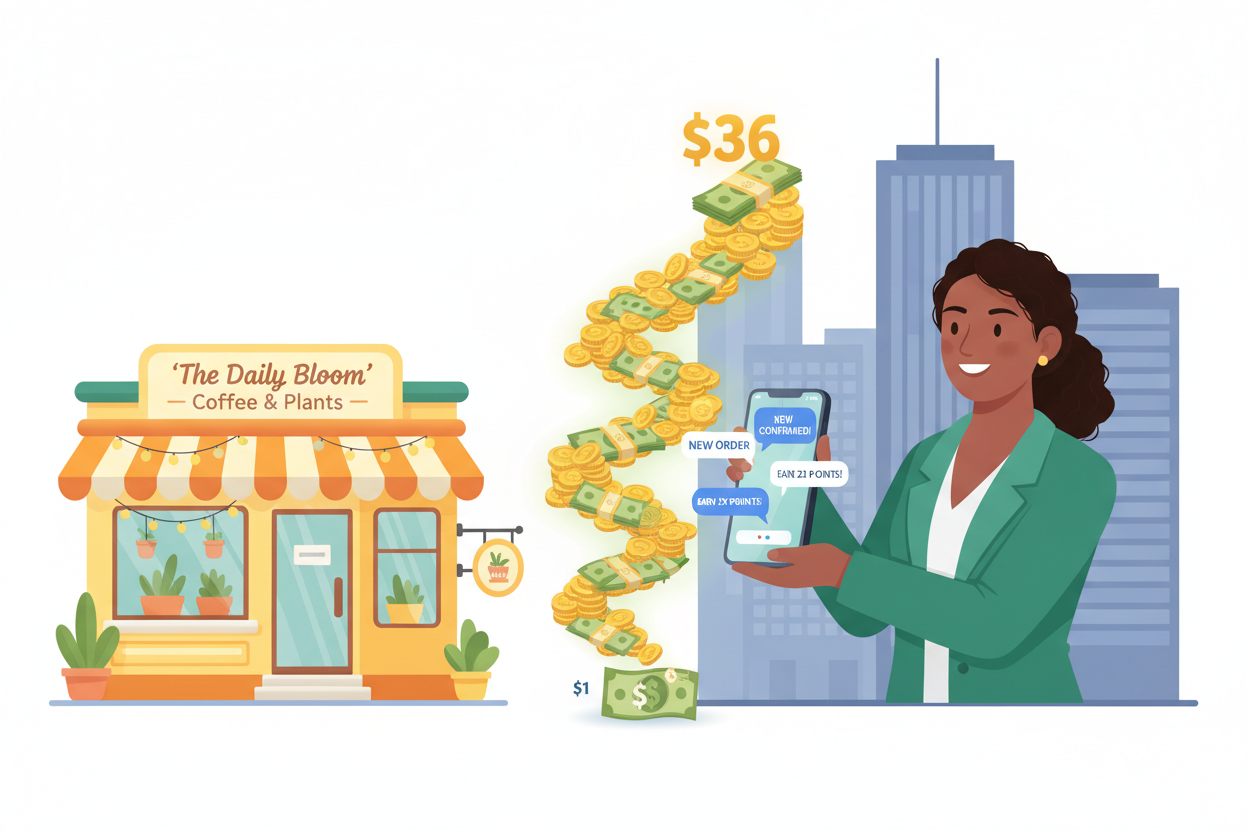
Before we dive into the tactics, let’s talk about why SMS marketing is particularly powerful for small businesses. Unlike large corporations with massive marketing budgets, small businesses need every dollar to count. SMS marketing offers an incredibly high return on investment, with studies showing that businesses can expect an average ROI of $36 for every dollar spent on text message campaigns.
The immediacy of SMS is unmatched. While emails might sit unread in crowded inboxes for hours or days, text messages are typically read within three minutes of delivery. This instant connection creates unique opportunities for time-sensitive promotions, appointment reminders, and urgent communications that can directly impact your bottom line.
For small businesses, this direct line to customers becomes even more valuable. You’re not just another corporate entity sending mass communications – you’re a local business with personal relationships to nurture. SMS marketing allows you to maintain that personal touch while scaling your communication efforts efficiently.
Building Your SMS Subscriber List the Right Way
The foundation of successful SMS marketing lies in building a quality subscriber list. Unlike other marketing channels where you might cast a wide net, SMS marketing requires explicit permission from your customers. This isn’t just good practice – it’s the law in most jurisdictions.
Start by making your SMS opt-in process as simple and appealing as possible. Consider offering an immediate incentive for signing up, such as a discount code, exclusive access to sales, or valuable content. Place opt-in opportunities strategically throughout your customer journey: at checkout, on your website, through social media, and even on printed materials like receipts or business cards.
One particularly effective approach is to integrate SMS sign-ups with your existing customer touchpoints. When someone makes a purchase, ask if they’d like to receive text updates about new products or special offers. During slower periods in your store, train your staff to mention the SMS program to customers who seem engaged with your brand.
Remember, quality trumps quantity every time. A smaller list of engaged subscribers who genuinely want to hear from you will always outperform a large list of disinterested contacts. Focus on attracting people who are genuinely interested in your business rather than trying to maximize numbers.
Crafting Messages That Convert
Writing effective SMS messages is both an art and a science. With only 160 characters to work with, every word needs to earn its place. The key is to be clear, concise, and compelling while maintaining your brand’s personality.
Start with a strong hook that immediately communicates value. Whether you’re announcing a flash sale, sharing important news, or sending a reminder, your opening words should make recipients glad they subscribed to your list. Avoid generic greetings and jump straight to the value proposition.
Personalization can significantly boost your response rates. Use your customers’ names when possible, and segment your list to send more targeted messages. A returning customer might appreciate a message about new arrivals in their favorite category, while a new subscriber might respond better to a welcome series that introduces them to your best-selling products.
Always include a clear call-to-action. Whether you want customers to visit your store, check out a new product online, or take advantage of a limited-time offer, make it crystal clear what you want them to do next. Use action words like “Shop,” “Discover,” “Save,” or “Get” to create urgency and encourage immediate response.
Timing Your SMS Campaigns for Maximum Impact
When you send your messages can be just as important as what you say. Unlike email, which people check at their convenience, SMS messages interrupt whatever your customers are doing. This power comes with responsibility – send messages at the wrong time, and you risk annoying your subscribers.
Generally, business hours work best for most industries, with Tuesday through Thursday showing higher engagement rates than Mondays or Fridays. However, your specific audience might have different preferences. A restaurant might find success with lunch-time promotions, while a retail store might see better results with evening messages when people are planning their weekend shopping.
Pay attention to time zones if you serve customers across different regions. Nothing says “impersonal mass marketing” quite like receiving a text about breakfast specials at midnight. Most SMS platforms allow you to schedule messages based on recipients’ local time zones.
Consider the context of your messages when planning timing. Appointment reminders should go out 24 hours in advance, while flash sales might work better as surprise announcements during peak shopping hours. Emergency communications or time-sensitive updates are exceptions to normal timing rules – these should go out immediately regardless of the time.
Frequency and Customer Experience Balance
Finding the right messaging frequency is crucial for maintaining subscriber engagement without causing fatigue. There’s no one-size-fits-all answer, but most successful small businesses find that 1-4 messages per month strikes the right balance for promotional content.
The key is to vary your message types and provide consistent value. Mix promotional messages with helpful content, important updates, and exclusive insider information. If you only text when you want to sell something, subscribers will quickly lose interest or opt out.
Monitor your opt-out rates closely. A sudden spike usually indicates that you’re messaging too frequently or that your content isn’t providing enough value. Don’t be afraid to survey your subscribers occasionally to understand their preferences better. A simple message asking “How often would you like to hear from us?” can provide valuable insights.
Consider creating different messaging tracks for different customer segments. Your most engaged customers might appreciate more frequent updates, while newer subscribers might prefer a lighter touch until they become more familiar with your brand.
Compliance and Legal Considerations
SMS marketing is heavily regulated, and non-compliance can result in significant fines. The most important rule is obtaining explicit consent before sending any marketing messages. This means customers must actively opt-in to receive texts – pre-checked boxes or assumed consent don’t cut it.
Always provide clear opt-out instructions in every message. The standard “Reply STOP to opt out” is widely recognized and legally compliant. Make sure your SMS platform automatically processes these opt-out requests and maintains a suppression list to prevent future messages to those numbers.
Keep detailed records of when and how customers opted in to your SMS program. This documentation can be crucial if you ever face compliance questions. Include information about what types of messages they agreed to receive and any specific consent language they saw.
Be particularly careful with automated messages. While appointment reminders and order confirmations are generally acceptable, promotional content should only go to customers who have specifically agreed to receive marketing messages.
Measuring Success and Optimizing Performance
Like any marketing channel, SMS campaigns need regular monitoring and optimization. The metrics that matter most for small businesses include delivery rates, open rates, click-through rates, conversion rates, and opt-out rates.
Track which types of messages perform best for your audience. Do customers respond more to discount offers or new product announcements? Do shorter messages outperform longer ones? This data will help you refine your strategy over time.
Don’t forget to measure the ultimate goal: revenue generated from SMS campaigns. Most SMS platforms can integrate with your e-commerce system or point-of-sale software to track purchases that result from text message campaigns. This information is crucial for calculating ROI and justifying your SMS marketing investment.
A/B testing can provide valuable insights even with smaller subscriber lists. Try different send times, message formats, or calls-to-action with small segments of your list before rolling out the winning version to everyone.
Integration with Your Overall Marketing Strategy
SMS marketing works best when it’s part of a coordinated marketing approach rather than operating in isolation. Consider how text messages can complement your email campaigns, social media efforts, and in-store promotions.
For example, you might send an email announcing a new product line, follow up with an SMS reminder about a limited-time launch discount, and then retarget email non-openers with a text message. This multi-channel approach increases your chances of reaching customers through their preferred communication method.
Use SMS to drive traffic to your other marketing channels as well. A text message might direct customers to a detailed blog post on your website, encourage them to follow your social media accounts for daily updates, or invite them to join your email list for in-depth newsletters.
Conclusion
SMS marketing represents one of the most direct and effective ways for small businesses to communicate with their customers. When implemented correctly, it can drive immediate sales, improve customer retention, and strengthen the personal relationships that give small businesses their competitive edge.
The key to success lies in respecting your subscribers, providing genuine value, and maintaining the personal touch that customers expect from local businesses. Start small, focus on building a quality subscriber list, and gradually expand your SMS marketing efforts as you learn what resonates with your specific audience.
Remember that SMS marketing is a marathon, not a sprint. The businesses that see the best long-term results are those that consistently provide value, respect their customers’ preferences, and continuously refine their approach based on real performance data. With patience, attention to detail, and a genuine commitment to serving your customers, SMS marketing can become a powerful driver of growth for your small business.
Free Traffic Sources
Get Access To 15 Of The HOTTEST Free Traffic Sources On The Planet!


