


Motivation Hacks: Overcoming Creative Blocks When Your Mind Goes Blank
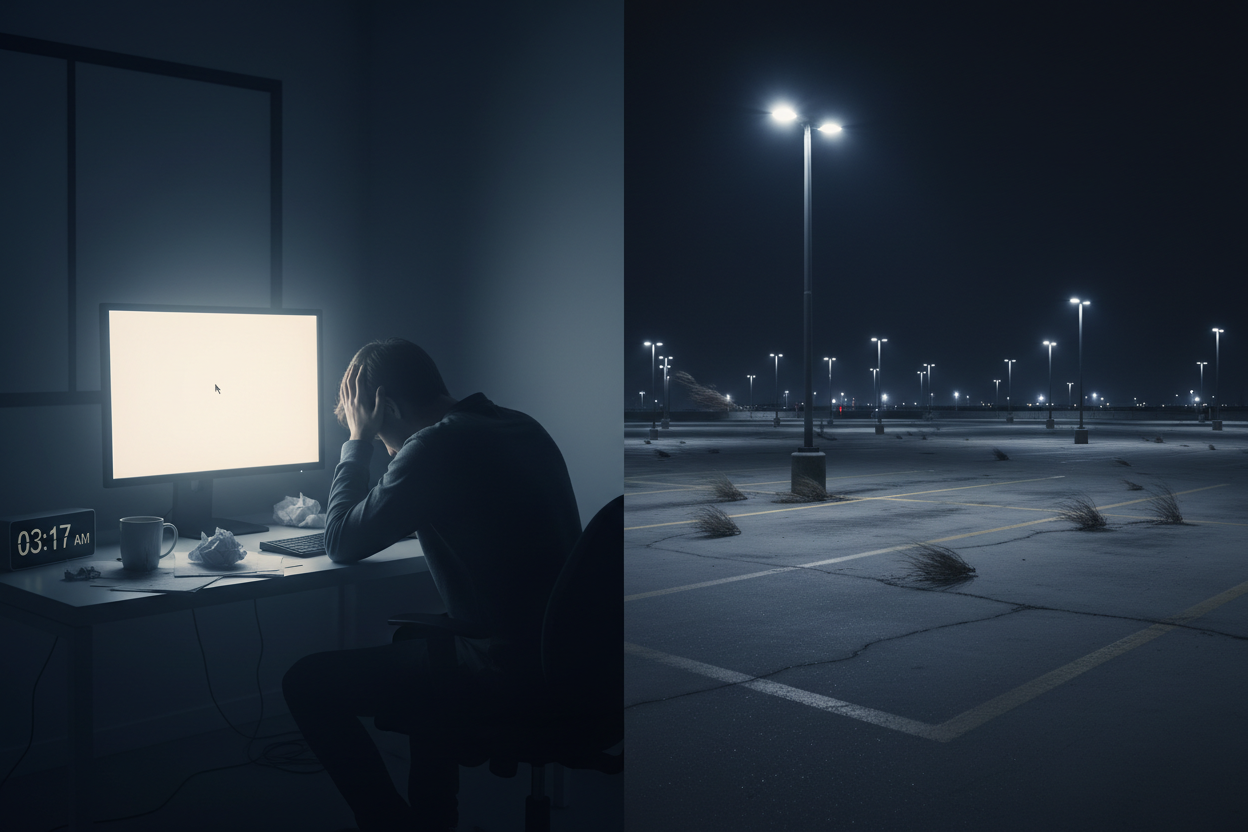
We’ve all been there. You’re staring at a blank page, cursor blinking mockingly, while your mind feels as empty as a deserted parking lot at 3 AM. Creative blocks are like unwelcome houseguests – they show up uninvited, overstay their welcome, and leave you feeling frustrated and drained. Whether you’re a writer struggling with the dreaded blank page, an artist facing an empty canvas, or an entrepreneur searching for that next breakthrough idea, creative blocks can feel insurmountable.
But here’s the thing about creative blocks – they’re not permanent roadblocks. They’re more like temporary traffic jams that can be navigated with the right strategies. After years of wrestling with my own creative demons and helping others break through their mental barriers, I’ve discovered that overcoming creative blocks isn’t about waiting for inspiration to strike. It’s about having a toolkit of practical motivation hacks that can jumpstart your creative engine when it refuses to turn over.
Understanding the Root Causes of Creative Blocks
Before we dive into solutions, let’s talk about why creative blocks happen in the first place. Think of your creative mind like a garden – sometimes the soil gets compacted, the plants get overgrown, or the weather conditions aren’t quite right for growth. Creative blocks often stem from perfectionism, fear of failure, mental fatigue, or simply being too close to a project to see it clearly.
I remember working on a particularly challenging project last year where I spent three days writing and rewriting the same paragraph. The harder I pushed, the more elusive the right words became. It wasn’t until I stepped back and recognized that my perfectionism was strangling my creativity that I could begin to break free. Sometimes our biggest enemy isn’t lack of ideas – it’s our own expectations.

Stress and overwhelm are also major culprits. When your mind is juggling too many responsibilities, it’s like trying to have a conversation at a loud concert. The creative signals are there, but they’re getting drowned out by mental noise. Understanding this connection between stress and creativity is the first step toward developing effective strategies to overcome blocks.
The Power of Environmental Change for Creative Breakthrough
One of the simplest yet most effective motivation hacks is changing your physical environment. Your brain creates associations between spaces and mental states, so if you’re stuck in the same spot where you’ve been struggling, you might be reinforcing the block itself.
Try working from a coffee shop, library, or even just a different room in your house. I’ve had some of my best breakthroughs while sitting on a park bench with nothing but a notebook and pen. There’s something about removing yourself from your usual creative space that can shake loose new perspectives and ideas.
Consider the sensory elements of your environment too. Sometimes a change in lighting, background music, or even the temperature can shift your mental state. Natural light has been shown to boost creativity and mood, while certain types of music can help access different mental states. Experiment with ambient sounds, classical music, or even complete silence to see what works best for your creative process.
Movement and Physical Activity as Creative Catalysts
When your mind feels stuck, get your body moving. There’s solid science behind this approach – physical activity increases blood flow to the brain, releases mood-boosting endorphins, and can help you access different neural pathways. You don’t need to run a marathon; even a five-minute walk around the block can work wonders.
I’ve solved more creative problems while washing dishes or taking a shower than I have sitting at my desk forcing myself to think. There’s something about engaging in mindless physical activity that allows your subconscious mind to work on problems in the background. Many writers and artists swear by walking meetings with themselves, where they take a problem for a walk and let their minds wander.
Dancing, stretching, or even doing jumping jacks can help shake off mental cobwebs. The key is to choose activities that don’t require intense focus, allowing your creative mind to process and make new connections while your body is occupied with movement.
Time-Boxing Techniques to Overcome Perfectionism
Perfectionism is creativity’s worst enemy, and one of the most effective ways to combat it is through time-boxing. Set a timer for 15-25 minutes and commit to creating something – anything – within that timeframe. The artificial deadline forces you to prioritize progress over perfection.
This technique works because it removes the pressure to create something amazing and replaces it with the simple goal of creating something. I use this method regularly when I’m stuck on a piece of writing. I’ll set a timer for 20 minutes and tell myself I just need to get words on the page, no matter how rough they are. More often than not, those “rough” words become the foundation for something much better.
The Pomodoro Technique is a popular variation of time-boxing that involves 25-minute focused work sessions followed by 5-minute breaks. This rhythm can help maintain creative momentum while preventing mental fatigue. The key is to honor both the work time and the break time – both are essential for sustained creative output.
Collaborative Approaches to Spark New Ideas
Sometimes the best way to break through a creative block is to invite other minds into your process. This doesn’t mean asking someone else to solve your creative problem, but rather using collaboration to spark new perspectives and possibilities.
Try explaining your project or challenge to a friend, family member, or colleague. Often, the act of articulating what you’re working on can help clarify your own thinking. The questions they ask might illuminate aspects of the problem you hadn’t considered, or their completely different perspective might suggest new approaches.
Online communities and creative groups can also be valuable resources. Platforms like Reddit, Discord, or specialized forums for your creative field offer opportunities to bounce ideas off others who understand your challenges. Sometimes just knowing you’re not alone in your struggle can provide the motivation needed to push through.
Mindfulness and Meditation for Creative Clarity
When your mind is cluttered with stress, deadlines, and self-doubt, it’s hard for creative ideas to find space to breathe. Mindfulness practices can help clear mental clutter and create space for new ideas to emerge. You don’t need to become a meditation master – even five minutes of focused breathing can help reset your mental state.
I’ve found that guided meditations specifically designed for creativity can be particularly helpful. These often include visualizations that help you imagine breaking through barriers or accessing your creative potential. Apps like Headspace, Calm, or Insight Timer offer creativity-focused sessions that can serve as mental warm-ups before creative work.
Journaling is another mindfulness practice that can help overcome creative blocks. Try stream-of-consciousness writing where you put pen to paper and write whatever comes to mind for 10-15 minutes. This practice, sometimes called “morning pages,” can help clear mental debris and often reveals insights or ideas that were hiding beneath the surface chatter.
Inspiration Gathering and Creative Input Strategies
Sometimes creative blocks happen because your inspiration well has run dry. Just as you need to refuel your car to keep driving, you need to refuel your creative mind with new inputs and experiences. Make it a habit to actively seek out inspiration rather than waiting for it to find you.
Create an inspiration collection system – this might be a Pinterest board, a folder of saved articles, a playlist of motivating music, or a physical notebook where you collect interesting quotes, images, or ideas. When you’re feeling stuck, browse through these collections to spark new connections and possibilities.
Consume content outside your usual sphere. If you’re a writer, spend time looking at visual art. If you’re a designer, read poetry. If you’re a musician, watch documentaries about completely unrelated topics. Cross-pollination between different creative fields often leads to breakthrough ideas and fresh perspectives.
Building Long-Term Creative Resilience
While quick fixes are helpful for immediate blocks, building long-term creative resilience is about developing sustainable practices that prevent blocks from becoming overwhelming obstacles. This means creating routines that support your creative well-being and recognizing the early warning signs of creative burnout.
Establish a regular creative practice, even when you don’t feel inspired. This might mean writing for 15 minutes every morning, sketching during your lunch break, or dedicating Sunday afternoons to experimental projects. Consistency builds creative momentum and makes it easier to push through temporary blocks.
Learn to recognize your personal patterns around creative blocks. Do they happen when you’re stressed about deadlines? When you haven’t been getting enough sleep? When you’ve been consuming too much social media? Understanding your triggers helps you address blocks proactively rather than reactively.
Creative blocks are not character flaws or signs that you’re not cut out for creative work – they’re simply part of the creative process. Every artist, writer, designer, and innovator faces them. The difference between those who thrive creatively and those who get stuck lies not in avoiding blocks altogether, but in developing effective strategies for working through them.
Remember that creativity is not a finite resource that can be depleted. It’s more like a muscle that grows stronger with use and proper care. The motivation hacks we’ve explored – from changing your environment to practicing mindfulness, from time-boxing to seeking collaboration – are tools in your creative toolkit. Not every tool will work for every situation, but having multiple options means you’re never truly stuck.
The next time you find yourself facing a creative block, resist the urge to force your way through it or wait passively for inspiration to return. Instead, try one or more of these motivation hacks. Be patient with yourself, stay curious about the process, and remember that sometimes the most profound creative breakthroughs come not in spite of our struggles, but because of how we choose to work through them.
Free Traffic Sources
Get Access To 15 Of The HOTTEST Free Traffic Sources On The Planet!


