Email Marketing: Creating a Re-Engagement Campaign That Wins Back Inactive Subscribers
Let’s be honest – watching your email engagement rates slowly decline feels like watching your favorite plant wither despite your best efforts. You know there’s life there, but somehow you can’t seem to reach it. If you’ve been staring at a growing list of inactive subscribers wondering whether to hit delete or try one more time, you’re not alone. This is where re-engagement campaigns come to the rescue, acting like that perfect plant food that brings everything back to life.
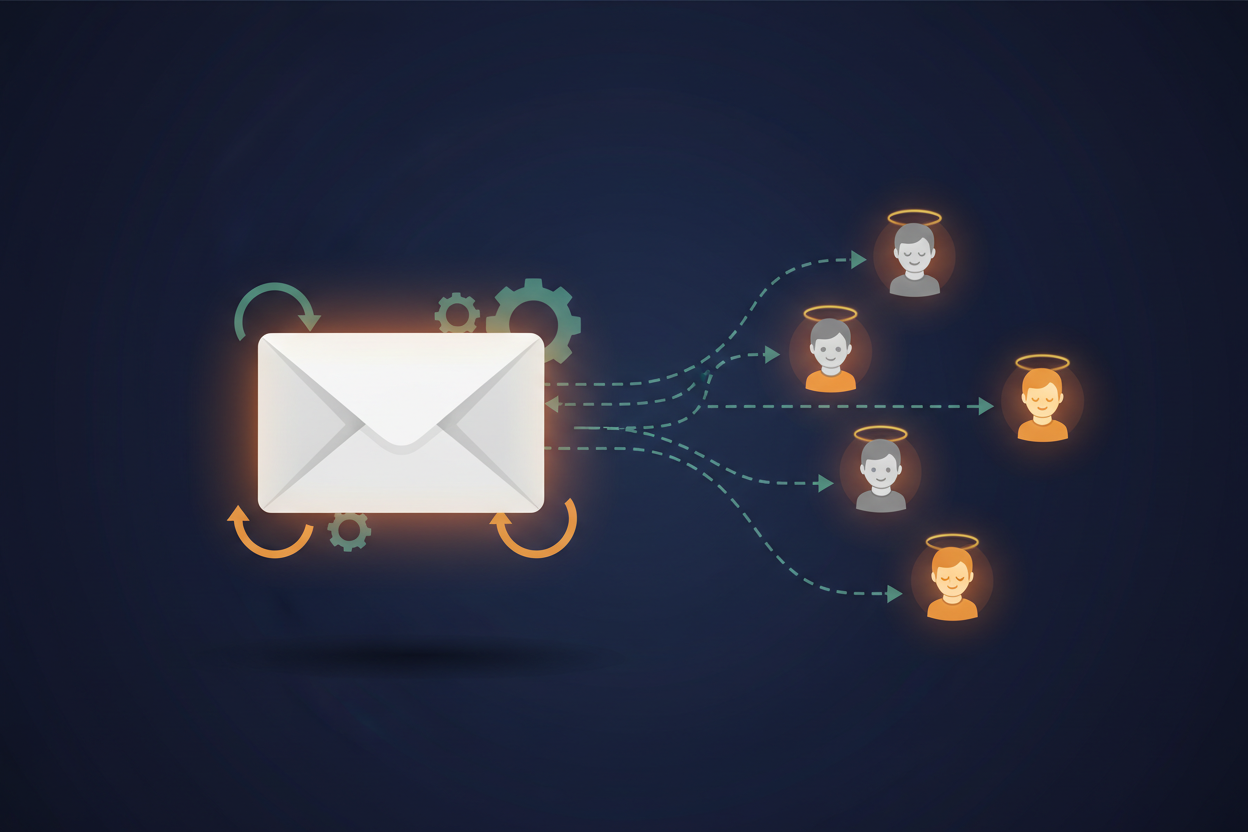
Re-engagement campaigns are your second chance at first impressions. They’re specifically designed email sequences that target subscribers who haven’t interacted with your emails for a predetermined period. Think of them as your “Hey, remember me?” strategy, but executed with finesse rather than desperation.
Understanding the Silent Treatment: Why Subscribers Go Quiet
Before diving into campaign creation, it’s crucial to understand why subscribers become inactive in the first place. Sometimes it’s not personal – people change jobs, email addresses, or simply get overwhelmed by their inbox. Other times, it might be that your content has drifted away from what originally attracted them to subscribe.
Email fatigue is real. When someone signed up for your newsletter eighteen months ago, their interests, needs, and circumstances may have completely shifted. Maybe they subscribed during a specific life event, job change, or project that’s no longer relevant. Understanding this helps you approach re-engagement with empathy rather than frustration.
There’s also the possibility that your emails have been landing in spam folders without you realizing it. Deliverability issues can make even the most engaged subscriber appear inactive. This is why re-engagement campaigns serve a dual purpose – they help identify truly disengaged subscribers while potentially solving delivery problems.
Identifying Your Inactive Subscribers: Setting the Right Parameters
Defining “inactive” isn’t as straightforward as it might seem. The timeframe depends heavily on your industry, email frequency, and typical customer lifecycle. For a daily newsletter, 30 days without engagement might signal inactivity. For a monthly business update, you might wait six months before launching a re-engagement campaign.
Look beyond just opens and clicks when identifying inactive subscribers. Consider other engagement signals like website visits from email traffic, social media interactions, or recent purchases. Someone might not be opening your emails but could still be an active customer through other channels.
Segment your inactive subscribers based on their last engagement date and previous engagement level. A subscriber who was highly engaged for months before going quiet deserves a different approach than someone who never engaged after subscribing. This segmentation allows you to craft more targeted and effective re-engagement messages.
Crafting Compelling Re-Engagement Email Content
The subject line of your re-engagement email carries enormous weight. It needs to cut through inbox noise and spark curiosity without sounding desperate or pushy. “We miss you” might feel genuine, but “Did we do something wrong?” or “Your account expires tomorrow” often perform better because they create urgency or intrigue.
Personalization goes beyond inserting someone’s first name. Reference their past behavior, purchases, or the content they previously engaged with. If they downloaded a specific resource or showed interest in particular topics, mention it. This shows you’ve been paying attention and value their individual relationship with your brand.
Acknowledge the elephant in the room directly. Don’t pretend like nothing happened. A simple “We noticed you haven’t been opening our emails lately” shows awareness and respect for their inbox. Follow this acknowledgment with genuine value – perhaps exclusive content, a special offer, or insights they can’t get elsewhere.
Strategic Timing and Frequency for Maximum Impact
Timing your re-engagement campaign requires careful consideration of your typical send schedule. If you usually email on Tuesdays, try sending your re-engagement email on a Friday or weekend when their inbox might be less cluttered. The goal is to stand out from your regular pattern.
A single re-engagement email rarely does the job. Plan a series of 3-5 emails spaced about a week apart. Each email should offer something different – maybe the first focuses on value, the second on nostalgia, and the third provides an easy way to update preferences or reduce email frequency rather than unsubscribing entirely.
Consider the season and external factors when launching your campaign. Avoid major holidays, industry events, or times when your audience might be particularly busy. A re-engagement campaign launched during tax season for a financial services company might not get the attention it deserves.
Incentives and Value Propositions That Actually Work
While discounts and free offers can be effective, they’re not the only way to re-engage subscribers. Sometimes the best incentive is simply better, more relevant content. Survey your inactive subscribers about what they’d like to see more of, or offer them early access to new products or content.
Educational content often outperforms promotional content in re-engagement campaigns. Share industry insights, tips, or resources that demonstrate your expertise and provide immediate value. This approach rebuilds trust and reminds subscribers why they joined your list originally.
Consider offering subscription preferences as an incentive. Instead of an all-or-nothing approach, let subscribers choose how often they hear from you or what topics interest them most. This flexibility often saves subscriptions that would otherwise be lost to unsubscribes.
Personalization Strategies for Dormant Subscribers
Effective personalization for re-engagement goes deeper than basic demographic information. Use behavioral data to reference specific actions they took, content they consumed, or products they viewed. This level of personalization demonstrates that you see them as an individual, not just another email address.
Create dynamic content that changes based on their engagement history. Show different product recommendations, content suggestions, or offers based on their past behavior. This makes each email feel custom-created rather than mass-distributed.
Geographic and temporal personalization can also be powerful. Reference local events, weather, or time zones in your re-engagement emails. These small touches can make a big difference in making your message feel relevant and timely.
Testing and Optimizing Your Re-Engagement Campaign
A/B testing becomes even more critical with re-engagement campaigns because you’re working with an already challenging audience. Test everything – subject lines, send times, email length, tone, and call-to-action placement. What works for your regular subscribers might not work for inactive ones.
Track metrics beyond traditional open and click rates. Monitor unsubscribe rates, spam complaints, and most importantly, post-campaign engagement. The true success of a re-engagement campaign isn’t just getting someone to open one email – it’s getting them back to regular engagement.
Use the data from your re-engagement campaigns to improve your regular email marketing. If certain subject lines or content types perform well with inactive subscribers, they might also resonate with your active audience. These campaigns often reveal insights about what your entire list really wants.
When to Say Goodbye: Knowing When to Remove Inactive Subscribers
Sometimes, despite your best efforts, subscribers remain unengaged. Knowing when to remove them from your list is crucial for maintaining good deliverability and focusing your efforts on interested recipients. Generally, if someone doesn’t engage with a well-crafted re-engagement campaign series, it’s time to let them go.
Before removing subscribers entirely, consider moving them to a separate, less frequent list. Maybe they’d prefer quarterly updates instead of weekly emails. This approach gives you one more chance to maintain the relationship without hurting your primary list’s engagement metrics.
Make the removal process graceful. Send a final “goodbye” email explaining that you’re removing them from your list but would welcome them back anytime. Include an easy re-subscription link and perhaps a brief survey about why they became inactive. This information can help improve your email marketing strategy going forward.
Measuring Success and Long-Term Impact
Success metrics for re-engagement campaigns should focus on quality over quantity. A 5% re-engagement rate might seem low, but if those subscribers become highly engaged long-term customers, the campaign was successful. Track not just immediate responses but engagement levels 30, 60, and 90 days post-campaign.
Monitor how re-engaged subscribers behave compared to your consistently active subscribers. Do they engage at similar rates? Do they convert to customers? Understanding these patterns helps you refine future re-engagement efforts and set realistic expectations.
Calculate the lifetime value impact of your re-engagement campaigns. Even if only a small percentage of inactive subscribers re-engage, their continued relationship with your brand could be worth significant revenue over time. This calculation helps justify the time and resources invested in these campaigns.
Conclusion: Turning Email Marketing Challenges into Opportunities
Re-engagement campaigns represent more than just a last-ditch effort to save dying email relationships – they’re an opportunity to strengthen your entire email marketing strategy. By understanding why subscribers become inactive, crafting thoughtful re-engagement content, and measuring success properly, you can turn a shrinking active list into a growing, engaged community.
Remember that not every subscriber will come back, and that’s okay. The goal isn’t to maintain a massive list but to nurture meaningful relationships with people who genuinely value what you offer. A smaller, highly engaged list will always outperform a large, disinterested one in terms of conversions, deliverability, and long-term business success.
The key to successful re-engagement lies in approaching inactive subscribers with the same care and strategy you’d use for new prospects. Show them value, respect their time, and give them compelling reasons to re-engage. When done thoughtfully, re-engagement campaigns don’t just win back subscribers – they often create some of your most loyal and engaged audience members.
Free Traffic Sources
Get Access To 15 Of The HOTTEST Free Traffic Sources On The Planet!