
SMS Marketing: Engaging Your Audience Through Text
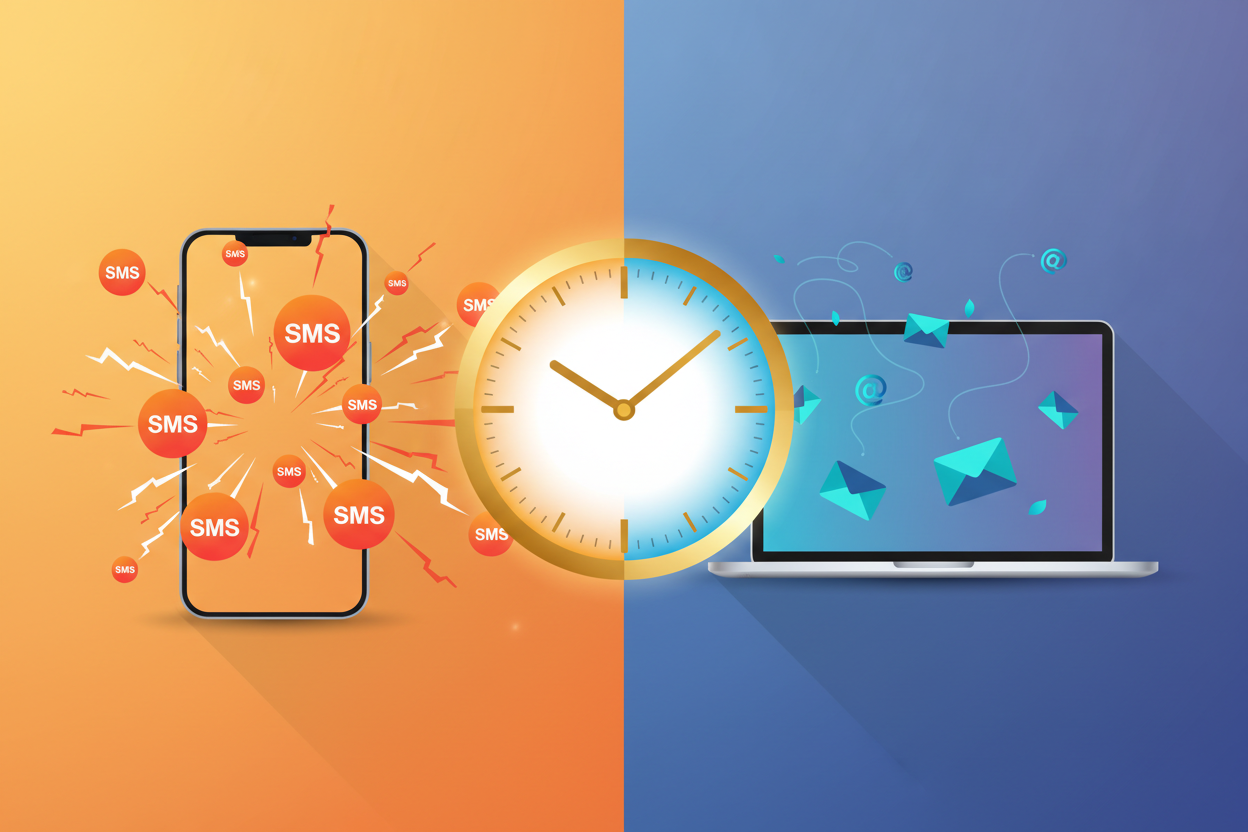
In today’s fast-paced digital landscape, businesses are constantly searching for effective ways to connect with their customers. While email marketing and social media campaigns dominate many marketing strategies, there’s one communication channel that often gets overlooked despite its incredible potential: SMS marketing. With open rates reaching as high as 98% and response times averaging just 90 seconds, text message marketing has proven to be one of the most direct and effective ways to engage your audience.
Think about it – when was the last time you ignored a text message? Most of us check our phones within minutes of receiving a notification, making SMS marketing an incredibly powerful tool for businesses looking to cut through the digital noise and reach their customers instantly.
Understanding SMS Marketing in the Modern Business World
SMS marketing, also known as text message marketing, involves sending promotional messages, updates, alerts, and other communications directly to customers’ mobile phones via text messages. Unlike other marketing channels that require internet connectivity or specific apps, SMS works on virtually every mobile device, making it universally accessible.
What makes SMS marketing particularly compelling is its intimate nature. Text messages feel personal and immediate, creating a direct line of communication between your business and your customers. This personal touch, when used appropriately, can significantly strengthen customer relationships and drive meaningful engagement.
The beauty of SMS marketing lies in its simplicity. There are no complex algorithms to navigate, no character limits that require creative workarounds, and no need for eye-catching visuals. Your message goes straight to your customer’s pocket, where they’re likely to see it within minutes of sending.
The Compelling Benefits of Text Message Marketing
The statistics surrounding SMS marketing are nothing short of impressive. Research consistently shows that text messages have an open rate of 98%, compared to email’s average of 20%. This dramatic difference means your message is almost guaranteed to be seen by your audience.
Beyond open rates, SMS marketing offers remarkable speed of engagement. The average person responds to a text message within 90 seconds, while email responses can take hours or even days. This immediacy makes SMS perfect for time-sensitive promotions, urgent updates, or last-minute offers.
Cost-effectiveness is another significant advantage. SMS marketing typically costs a fraction of traditional advertising methods while delivering superior results. Small businesses, in particular, can benefit from this affordable yet highly effective marketing channel.
Perhaps most importantly, SMS marketing allows for highly personalized communication. You can segment your audience based on preferences, purchase history, or demographics, ensuring each message feels relevant and valuable to the recipient.
Building Your SMS Marketing Strategy from the Ground Up
Success in SMS marketing starts with a solid foundation. Before sending your first message, you need to establish clear goals for your campaign. Are you looking to increase sales, improve customer retention, drive traffic to your website, or simply keep customers informed about your business?
Understanding your audience is equally crucial. Different demographics respond differently to text messages. Younger audiences might appreciate casual, emoji-filled messages, while professional audiences may prefer more formal communication. Take time to research your customer base and tailor your approach accordingly.
Timing plays a critical role in SMS marketing success. Unlike email, which people often check at their convenience, text messages demand immediate attention. This means you need to be thoughtful about when you send messages. Generally, weekdays between 10 AM and 8 PM work best, but you should test different times to see what works for your specific audience.
Frequency is another important consideration. While SMS is highly effective, it can also be intrusive if overused. Start conservatively with one or two messages per week and adjust based on customer feedback and engagement rates.
Crafting Messages That Drive Action and Engagement
Writing effective SMS marketing messages is an art form that requires balancing brevity with impact. With limited character space, every word must count. Start with a clear, compelling subject or opening that immediately communicates value to the reader.
Personalization goes beyond simply including the customer’s name. Use purchase history, preferences, or location data to make messages feel specifically crafted for each recipient. For example, instead of “Sale today only!” try “Sarah, 20% off your favorite skincare products – today only!”
Include clear calls-to-action that tell recipients exactly what you want them to do. Whether it’s “Shop now,” “Call today,” or “Visit our store,” make the next step obvious and easy to follow. Consider including links that make it simple for customers to take action directly from their phones.
Urgency and scarcity can be powerful motivators in SMS marketing. Messages like “Only 3 hours left” or “Limited quantities available” can drive immediate action, but use these tactics sparingly to maintain credibility.
Legal Compliance and Best Practices for SMS Marketing
SMS marketing is heavily regulated, and compliance isn’t optional – it’s essential. The most important rule is obtaining explicit consent before sending marketing messages. This means customers must actively opt-in to receive texts from your business, and you must provide a clear way for them to opt-out at any time.
Every marketing text should include your business name and an easy opt-out method, typically by replying “STOP.” This isn’t just good practice; it’s required by law in most jurisdictions. Failing to comply with these regulations can result in significant fines and damage to your business reputation.
Keep detailed records of consent and opt-out requests. This documentation protects your business and demonstrates your commitment to following regulations. Many SMS marketing platforms automatically handle compliance features, but it’s your responsibility to ensure your campaigns meet all legal requirements.
Respect your customers’ preferences and privacy. Only send messages related to what customers signed up for, and never share their information with third parties without explicit permission.
Measuring Success: Key Metrics for SMS Marketing Campaigns
Tracking the right metrics is essential for understanding and improving your SMS marketing performance. Delivery rate tells you what percentage of your messages successfully reached recipients’ phones. This metric helps identify potential issues with your contact list or messaging platform.
Open rates for SMS are typically very high, but tracking them can help you understand engagement patterns. Click-through rates are particularly important if your messages include links, as they indicate how effectively your messages drive action.
Conversion rate is perhaps the most important metric, measuring how many recipients take the desired action after receiving your message. This could be making a purchase, visiting your store, or signing up for an event.
Don’t overlook opt-out rates, which can indicate whether your messaging frequency or content needs adjustment. A sudden spike in opt-outs might signal that you’re sending too many messages or that your content isn’t resonating with your audience.
Response time and engagement patterns can provide valuable insights into your audience’s behavior, helping you optimize send times and message frequency for better results.
Advanced SMS Marketing Techniques That Drive Results
Once you’ve mastered the basics, consider implementing more sophisticated SMS marketing techniques. Automated messaging sequences can nurture leads and customers through targeted campaigns based on their actions or timeline.
Segmentation allows you to send highly targeted messages to specific customer groups. You might create segments based on purchase history, geographic location, engagement level, or customer lifecycle stage. This targeted approach typically results in higher engagement and conversion rates.
Integration with other marketing channels can amplify your results. Use SMS to support email campaigns, drive traffic to social media, or follow up on abandoned shopping carts. This multi-channel approach creates a more cohesive customer experience.
Consider using SMS for customer service and support, not just marketing. Quick updates about order status, appointment reminders, or service notifications can improve customer satisfaction while keeping your business top-of-mind.
Conclusion
SMS marketing represents a unique opportunity to connect with your audience in an immediate, personal way that few other marketing channels can match. With its exceptional open rates, rapid response times, and cost-effectiveness, text message marketing deserves a place in every modern marketing strategy.
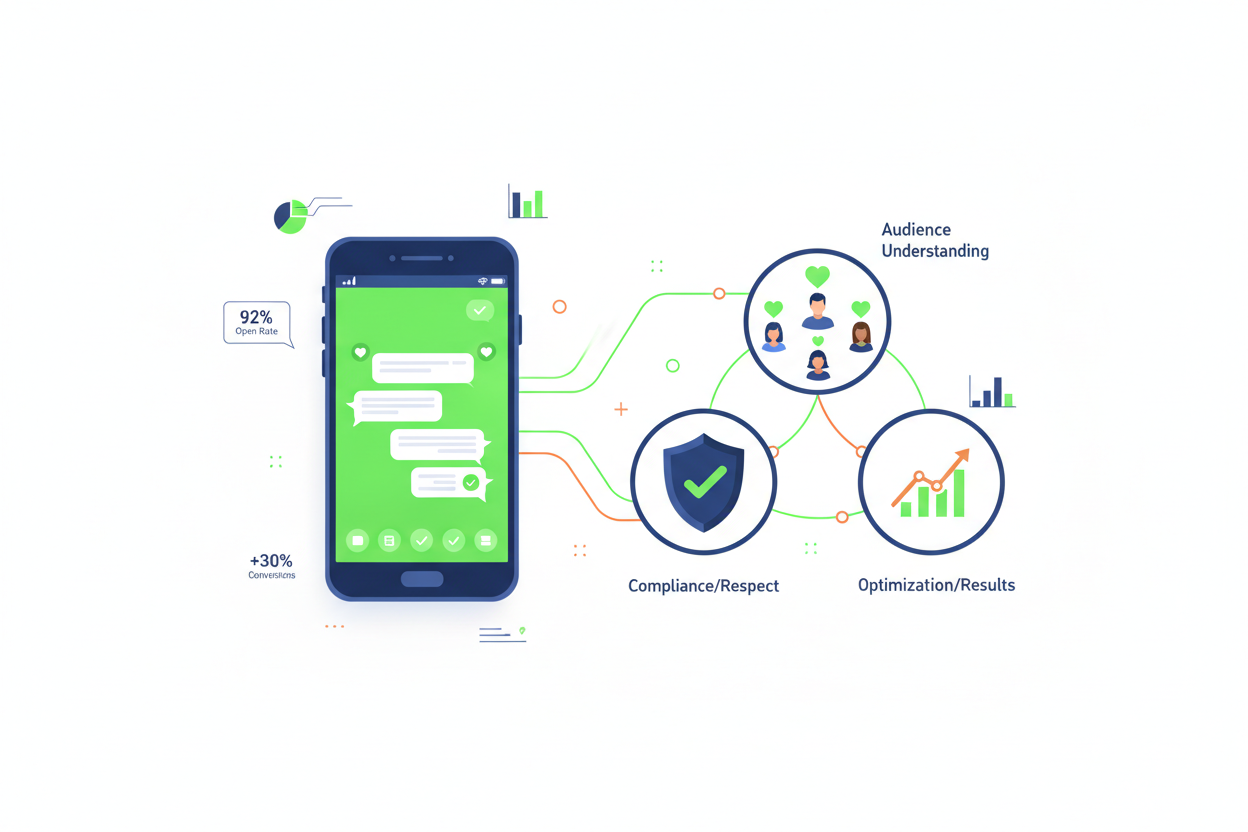
Success in SMS marketing comes from understanding your audience, respecting their preferences, and consistently delivering value through every message. By following best practices, maintaining compliance with regulations, and continuously optimizing based on performance data, you can build an SMS marketing program that drives real results for your business.
Remember that SMS marketing is not about bombarding customers with promotional messages – it’s about creating meaningful connections that enhance the customer experience. When done right, SMS marketing can become one of your most valuable tools for building lasting customer relationships and driving business growth.
Start small, test frequently, and always prioritize your customers’ experience over short-term gains. With patience and persistence, SMS marketing can transform how you engage with your audience and contribute significantly to your business success.
Free Traffic Sources
Get Access To 15 Of The HOTTEST Free Traffic Sources On The Planet!