YouTube Marketing: The Impact of Thumbnail Design on Your Channel’s Success
Picture this: you’re scrolling through YouTube, and within seconds, you’ve made dozens of decisions about which videos to watch. What’s driving those split-second choices? More often than not, it’s the thumbnail that catches your eye first. In the competitive world of YouTube marketing, your thumbnail isn’t just a preview image – it’s your video’s first impression, your silent salesperson, and often the deciding factor between a click and a scroll.
With over 2 billion logged-in monthly users on YouTube, standing out from the crowd has never been more challenging. Your content might be incredible, but if your thumbnail doesn’t grab attention in that crucial first moment, your masterpiece might never see the light of day. That’s why understanding the psychology and strategy behind effective thumbnail design has become essential for any serious YouTube marketer.
Why Thumbnails Matter More Than You Think
Think of your thumbnail as the cover of a book in a massive digital library. YouTube’s algorithm considers click-through rates as a significant ranking factor, and your thumbnail directly influences whether viewers choose your content over the thousands of alternatives. Research shows that 90% of the best-performing videos on YouTube have custom thumbnails, which tells us something important about their impact on success.
The human brain processes visual information incredibly quickly – we’re talking about 13 milliseconds fast. This means your thumbnail needs to communicate value, emotion, and relevance almost instantly. It’s not just about looking pretty; it’s about creating a visual promise that your content will deliver on what viewers are seeking.
When you consider that YouTube displays thumbnails at various sizes across different devices, from massive desktop screens to tiny mobile displays, the challenge becomes even more complex. Your design needs to be effective whether it’s viewed as a large rectangle or a stamp-sized image on a smartphone screen.
The Psychology Behind Click-Worthy Thumbnails
Understanding what drives human behavior is crucial for creating thumbnails that convert browsers into viewers. Our brains are hardwired to respond to certain visual triggers, and successful YouTube marketers have learned to leverage these psychological principles effectively.
Faces are incredibly powerful in thumbnail design because humans are naturally drawn to other human faces. When we see a face, our mirror neurons activate, creating an instant connection. This is why you’ll notice that many successful YouTubers include close-up shots of themselves with exaggerated expressions in their thumbnails. The key is authenticity – forced or fake expressions can backfire and make viewers feel manipulated.
Color psychology plays a massive role in thumbnail effectiveness. Bright, contrasting colors grab attention in YouTube’s predominantly white interface. Red creates urgency, blue builds trust, yellow sparks curiosity, and green suggests growth or money. However, the most important aspect isn’t the specific color you choose, but how well it contrasts with YouTube’s background and stands out among other thumbnails in the suggested videos sidebar.
The concept of pattern interruption is equally important. When most thumbnails in your niche follow similar patterns, breaking those patterns can make your content stand out dramatically. If everyone in your space uses dark backgrounds, a bright background might be your secret weapon.
Essential Elements of High-Converting Thumbnails
Creating thumbnails that consistently drive clicks requires understanding and implementing several key elements. These aren’t just design principles – they’re conversion optimization strategies that can make or break your video’s performance.
Text overlay can be incredibly powerful when used correctly. The key is keeping it minimal, readable, and complementary to your video title rather than repetitive. Your thumbnail text should create curiosity or highlight a key benefit that might not be immediately obvious from the title alone. Think of it as a headline for your headline – it should add value, not clutter.
Visual hierarchy ensures that viewers’ eyes move through your thumbnail in the intended order. This typically means having one dominant element (usually a face or main subject), secondary elements that support the story, and minimal background distractions. The rule of thirds, borrowed from photography, can help you create more visually appealing and balanced compositions.
Consistency across your channel builds brand recognition and trust. This doesn’t mean every thumbnail should look identical, but there should be recognizable elements that tie them together – perhaps a consistent color scheme, font choice, or style of imagery. When viewers can instantly recognize your content in their feed, you’re building a valuable brand asset.
Common Thumbnail Design Mistakes That Kill Click-Through Rates
Even well-intentioned creators often fall into thumbnail traps that sabotage their video performance. Understanding these common mistakes can save you from months of poor performance and help you avoid the frustration of great content going unnoticed.
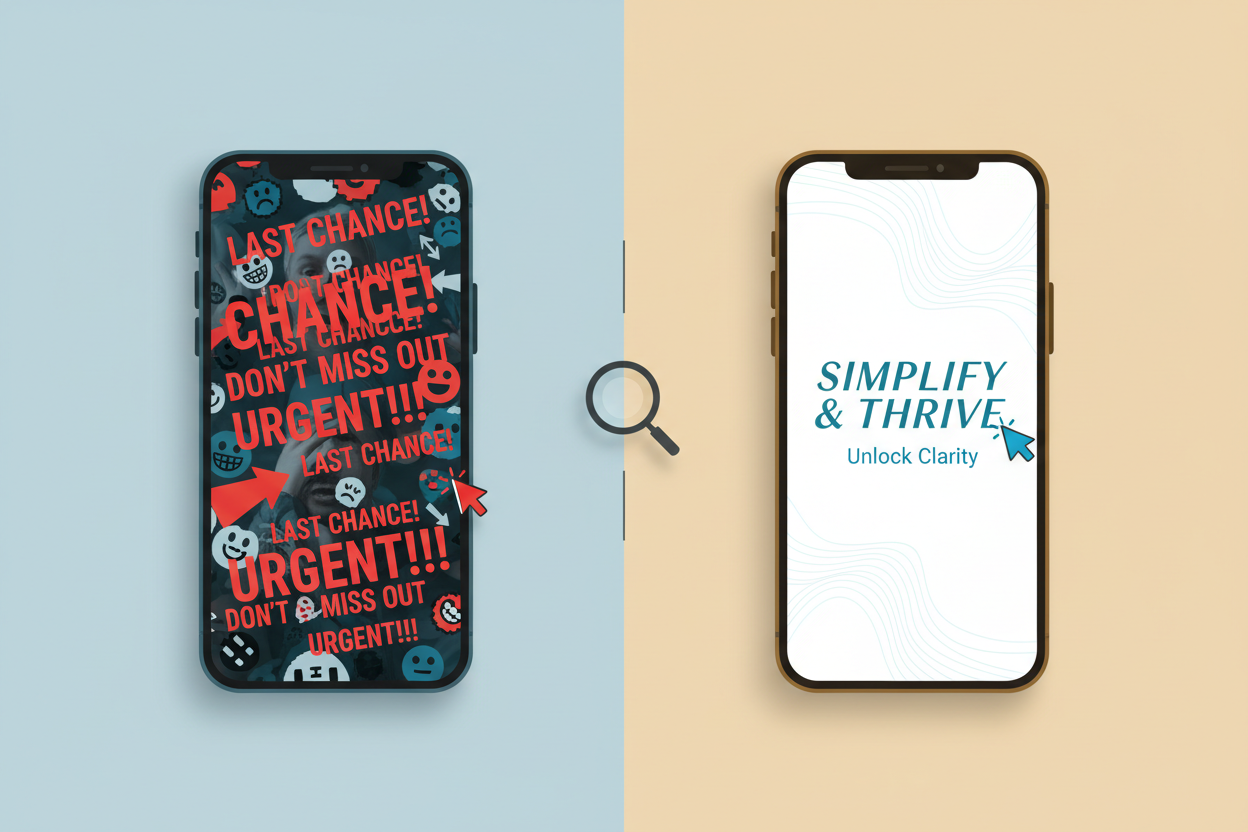
Overcrowding is perhaps the most frequent mistake. When creators try to include too many elements in their thumbnail, the result is visual chaos that confuses rather than attracts viewers. Remember, your thumbnail will often be viewed at a very small size, so simplicity isn’t just preferable – it’s essential for clarity.
Poor text readability can instantly kill your thumbnail’s effectiveness. Text that’s too small, uses low contrast colors, or employs overly decorative fonts becomes illegible, especially on mobile devices. If viewers can’t read your text overlay quickly and easily, you’ve wasted valuable real estate and potentially lost their interest.
Misleading thumbnails might generate initial clicks, but they’ll devastate your long-term channel performance. YouTube’s algorithm pays attention to watch time and audience retention. If viewers click on your video but leave immediately because the content doesn’t match the thumbnail’s promise, you’re training the algorithm that your content isn’t valuable.
Ignoring mobile optimization is a critical oversight since more than 70% of YouTube watch time comes from mobile devices. What looks great on your desktop monitor might be completely ineffective on a smartphone screen. Always preview your thumbnails at mobile sizes before finalizing them.
Tools and Techniques for Professional Thumbnail Creation
You don’t need to be a professional designer or invest in expensive software to create compelling thumbnails. However, understanding the tools available and how to use them effectively can significantly improve your results and streamline your workflow.
Canva has become the go-to choice for many YouTubers because of its user-friendly interface and extensive template library. The platform offers YouTube-specific thumbnail templates and makes it easy to maintain consistency across your channel. While the free version provides substantial functionality, the Pro version unlocks additional fonts, images, and design elements that can give your thumbnails a more professional appearance.
For those comfortable with more advanced tools, Adobe Photoshop remains the gold standard for thumbnail design. Its layer system, advanced text effects, and precise control over every element make it ideal for creators who want maximum customization. However, the learning curve is steeper, and the subscription cost might not be justified for casual creators.
Free alternatives like GIMP or online tools like Figma can provide professional results without the cost. The key isn’t the tool you use, but understanding design principles and applying them consistently. Many successful YouTubers create stunning thumbnails using nothing more than PowerPoint or Google Slides.
When sourcing images, always ensure you have the right to use them. Unsplash, Pexels, and Pixabay offer high-quality free images, while Shutterstock and Getty Images provide premium options. Many successful creators also invest in taking their own photos, which ensures uniqueness and avoids potential copyright issues.
Testing and Optimizing Your Thumbnail Performance
Creating great thumbnails isn’t a one-time skill you master – it’s an ongoing process of testing, learning, and optimizing. The most successful YouTube marketers treat their thumbnails like any other marketing asset, constantly refining their approach based on data and performance metrics.
A/B testing thumbnails can provide valuable insights into what resonates with your audience. YouTube doesn’t offer built-in thumbnail testing, but you can manually test different versions by changing your thumbnail after upload and monitoring the impact on click-through rates. Some creators use third-party tools or simply observe performance patterns over time to identify what works best for their audience.
Pay attention to your YouTube Analytics, specifically the click-through rate metric. This tells you the percentage of people who saw your thumbnail and decided to click. While click-through rates vary by niche and audience size, consistently low rates often indicate thumbnail issues. However, remember that click-through rate should be balanced with watch time – a thumbnail that generates clicks but doesn’t deliver on its promise will ultimately hurt your channel’s performance.
Seasonal and trending adjustments can keep your thumbnails relevant and timely. What worked six months ago might not work today, especially in fast-moving niches. Stay aware of current events, seasonal changes, and trending topics that might influence your thumbnail design choices.
The Future of YouTube Thumbnail Strategy
As YouTube continues to evolve, so do the strategies for effective thumbnail design. Understanding emerging trends and preparing for future changes can give you a competitive advantage and ensure your content remains discoverable.
Mobile-first design is becoming increasingly important as smartphone usage continues to dominate. This means designing for the smallest screen first and scaling up, rather than the traditional approach of designing for desktop and hoping it works on mobile. Consider how your thumbnails look when displayed as small rectangles in a mobile feed.
Video thumbnails and motion graphics are gaining traction as YouTube experiments with animated previews. While static images remain the standard, being prepared for potential changes in thumbnail format could give early adopters a significant advantage.
AI and machine learning are also beginning to influence thumbnail optimization. Some tools now offer AI-powered suggestions for thumbnail improvements, and YouTube’s algorithm is becoming increasingly sophisticated at understanding thumbnail content and matching it with user preferences.
Conclusion: Your Thumbnail Strategy Moving Forward
Your YouTube thumbnail is far more than just a pretty picture – it’s a strategic marketing tool that can make or break your video’s success. In a platform where attention is the most valuable currency, your thumbnail serves as both the key to unlocking that attention and the promise of value that keeps viewers engaged.
The most successful YouTube marketers understand that great thumbnail design combines artistic creativity with data-driven strategy. It’s about understanding your audience’s psychology, testing different approaches, and constantly refining your technique based on performance data. Whether you’re just starting your YouTube journey or looking to improve an existing channel, investing time and effort into your thumbnail strategy will pay dividends in increased visibility, higher click-through rates, and ultimately, channel growth.
Remember, there’s no one-size-fits-all approach to thumbnail design. What works for one channel might not work for another, and what works today might not work tomorrow. The key is to stay curious, keep testing, and always prioritize providing genuine value to your viewers. Your thumbnail should be an honest preview of the great content that follows – because in the long run, authenticity and value always win over flashy tricks and empty promises.
Start implementing these strategies today, but don’t expect overnight success. Like any marketing skill, effective thumbnail design improves with practice and experience. Keep creating, keep testing, and keep learning from your results. Your future self – and your YouTube analytics – will thank you for the effort you put in today.
Free Traffic Sources
Get Access To 15 Of The HOTTEST Free Traffic Sources On The Planet!