
Affiliate Marketing: Understanding Commission Structures – Your Complete Guide to Maximizing Earnings
If you’ve ever wondered how affiliate marketers actually make money, you’re not alone. The world of affiliate marketing can seem like a maze of percentages, payment schedules, and confusing terminology. But here’s the thing – understanding commission structures isn’t just important, it’s absolutely crucial for anyone looking to succeed in affiliate marketing.
I remember when I first started my affiliate marketing journey five years ago. I was so excited about promoting products that I barely glanced at the commission details. Big mistake! I spent months promoting low-commission products when I could have been earning three times more with better programs. That’s why I’m passionate about helping others avoid the same pitfalls.
Commission structures are the backbone of affiliate marketing – they determine how much you earn, when you get paid, and ultimately, whether your efforts are worthwhile. Whether you’re a complete beginner or looking to optimize your existing affiliate strategy, mastering these structures will transform your earning potential.
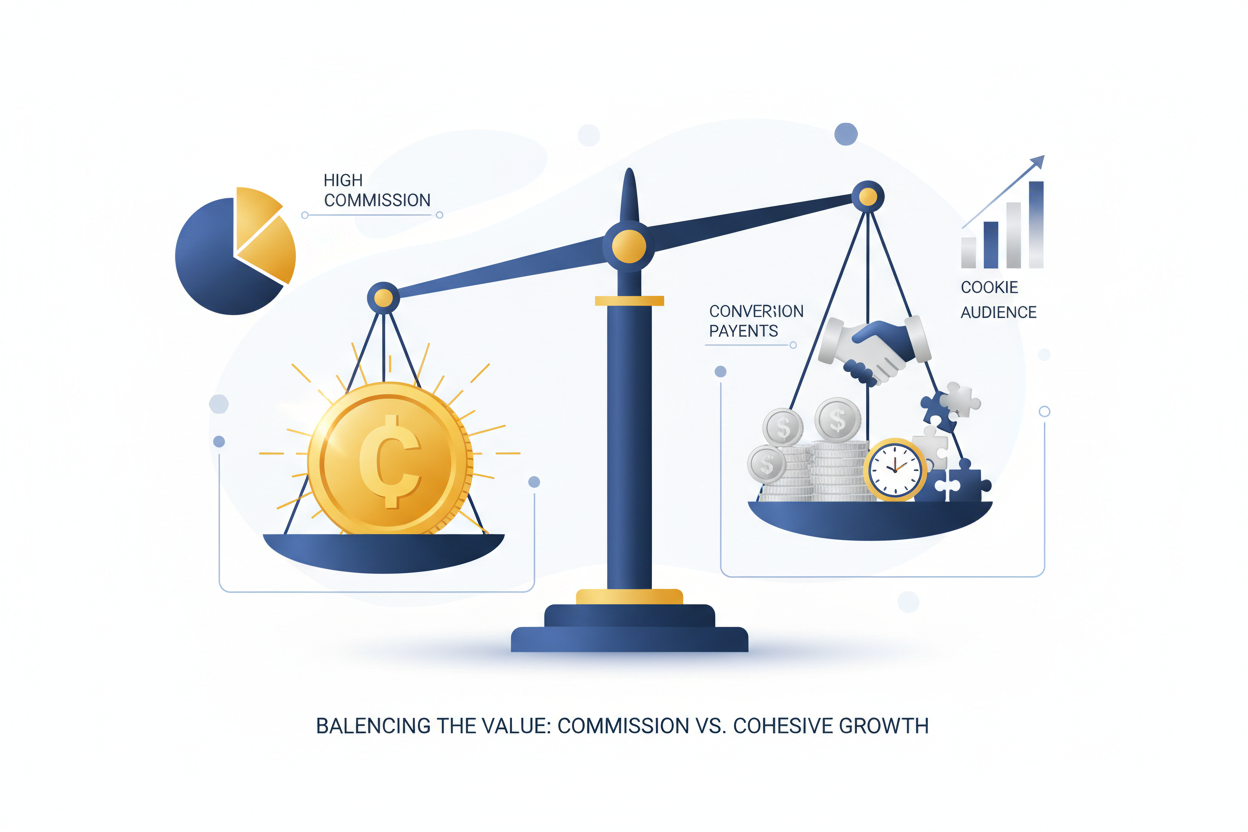
What Are Affiliate Marketing Commission Structures?
At its core, an affiliate commission structure is the framework that determines how and how much you get paid for promoting someone else’s products or services. Think of it as the “rules of the game” that govern your earnings as an affiliate marketer.
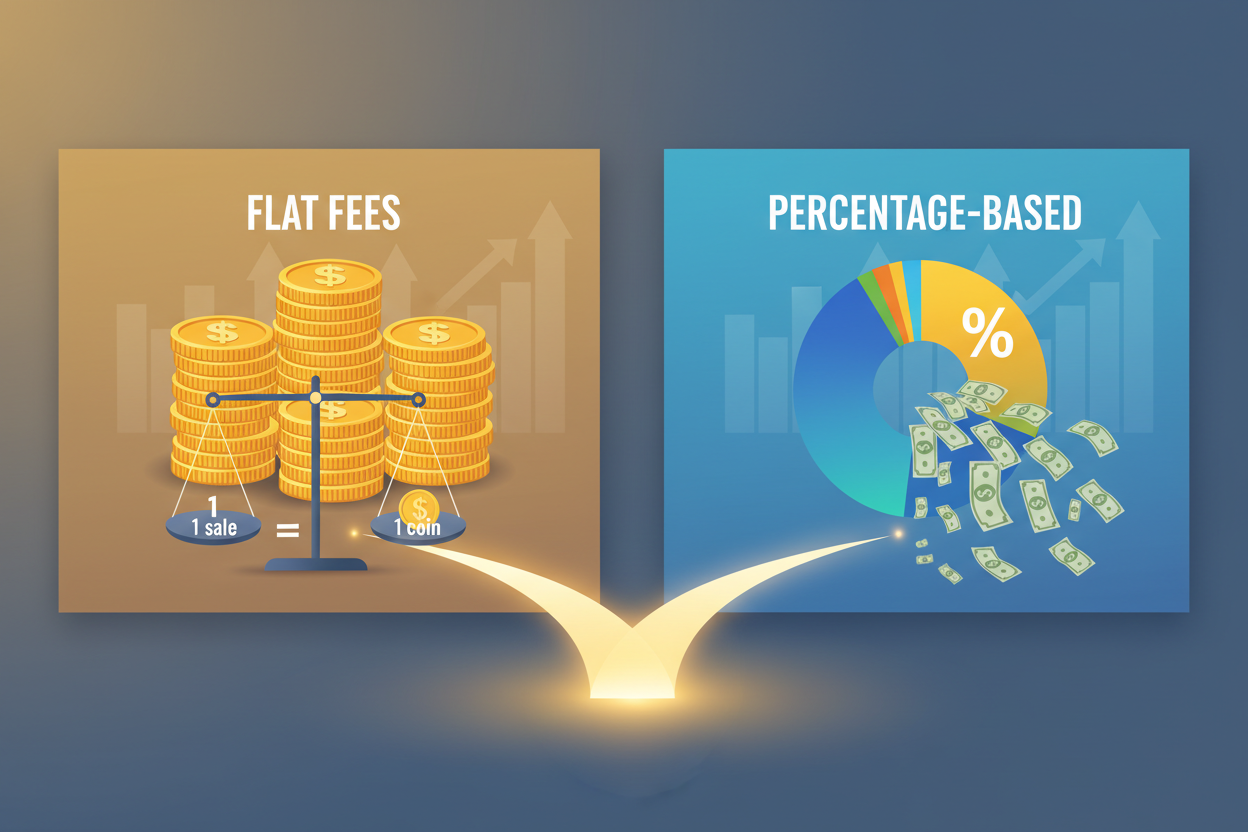
These structures vary dramatically across different programs and industries. Some might pay you a flat fee for every sale, while others offer a percentage of the total purchase amount. The key is understanding that not all commission structures are created equal, and choosing the right ones can make or break your affiliate marketing success.
What makes this even more interesting is that commission structures often reflect the economics of different industries. Software companies, for instance, typically offer higher commission rates because their products have high profit margins and low fulfillment costs. Physical products, on the other hand, usually offer lower percentages due to manufacturing, shipping, and inventory costs.
Types of Affiliate Commission Models
Pay-Per-Sale (PPS) Commission Structure
Pay-per-sale is the most common commission model you’ll encounter, and for good reason – it’s straightforward and aligns the interests of both merchants and affiliates. With PPS, you earn a commission only when someone makes a purchase through your affiliate link.
The commission rates for PPS models typically range from 1% to 50%, though some digital products and high-ticket items can offer even higher percentages. Amazon Associates, for example, offers commission rates between 1% and 10% depending on the product category, while many software companies offer 20% to 40% recurring commissions.
What I love about PPS structures is their transparency. You know exactly what you need to do to earn money – drive sales. However, this also means you need to focus heavily on conversion optimization and targeting buyers rather than just generating traffic.
Pay-Per-Lead (PPL) Commission Structure
Pay-per-lead models compensate you for generating qualified leads rather than actual sales. This might involve getting someone to sign up for a newsletter, request a quote, fill out a form, or start a free trial.
PPL commissions typically range from $1 to $100+ per lead, depending on the industry and lead quality requirements. Insurance and financial services often pay the highest PPL rates because qualified leads in these industries are extremely valuable.
The beauty of PPL structures lies in the lower barrier to conversion. It’s much easier to convince someone to download a free ebook than to make a $500 purchase. However, you need to ensure the leads you’re generating are genuinely qualified, as merchants often have strict criteria for what constitutes a valid lead.
Pay-Per-Click (PPC) Commission Structure
Pay-per-click affiliate programs pay you for every visitor you send to the merchant’s website, regardless of whether they make a purchase or convert. While this sounds appealing, PPC affiliate programs have become increasingly rare due to fraud concerns and low ROI for merchants.
When PPC programs do exist, they typically pay very small amounts – often just a few cents per click. The major advantage is that you don’t need to worry about conversion rates, but the earning potential is generally much lower than other models.
Most legitimate PPC programs today are found in content networks or specialized niches where driving targeted traffic has inherent value, such as comparison shopping sites or industry-specific directories.
Recurring Commission Structures
Recurring commissions are the holy grail of affiliate marketing. These structures pay you ongoing commissions for as long as the customer you referred continues to use the product or service. Subscription-based businesses, software-as-a-service (SaaS) companies, and membership sites commonly use this model.
For example, if you refer someone to a $50/month software tool that offers 30% recurring commissions, you’ll earn $15 every month that person remains a subscriber. Over a year, that single referral could generate $180 in commissions!
The compound effect of recurring commissions is incredible. I’ve seen affiliates build substantial passive income streams by focusing exclusively on recurring commission programs. The key is promoting high-quality products with low churn rates – there’s nothing worse than building up recurring income only to watch it disappear due to high cancellation rates.
Factors That Influence Commission Rates
Industry and Product Type
Different industries offer vastly different commission rates based on their profit margins and customer acquisition costs. Digital products and services typically offer the highest rates because they have minimal fulfillment costs. Software, online courses, and digital marketing tools often provide 20% to 50% commissions.
Physical products usually offer lower rates due to manufacturing, shipping, and inventory costs. Fashion and electronics might offer 2% to 8%, while luxury items could go higher due to their premium pricing.
High-ticket items often provide substantial absolute dollar amounts even with lower percentage rates. A 3% commission on a $10,000 product still nets you $300, which might be more than a 50% commission on a $20 product.
Competition and Market Saturation
Commission rates often reflect the competitive landscape of affiliate recruitment. If a merchant is struggling to find quality affiliates, they might offer higher commission rates to attract top performers. Conversely, popular programs with waiting lists can afford to offer lower rates.
I’ve noticed that newer companies entering competitive markets often start with above-average commission rates to build their affiliate network, then gradually adjust rates as they establish market presence. This creates opportunities for early adopters to lock in favorable terms.
Affiliate Performance and Tier Systems
Many affiliate programs use tiered commission structures that reward high-performing affiliates with increased rates. You might start at 5% for your first 10 sales, then move to 7% for the next 25 sales, and eventually reach 10% for top performers.
These performance-based increases serve multiple purposes: they incentivize affiliates to drive more sales, reward loyalty, and help merchants retain their best partners. Some programs also offer bonuses for reaching specific milestones or maintaining consistent performance levels.
How to Evaluate Commission Structures
Calculate Earnings Per Click (EPC)
Earnings per click is one of the most important metrics for evaluating commission structures. EPC tells you how much money you can expect to earn for every visitor you send to the merchant’s website.
To calculate EPC, divide your total commissions by the total number of clicks you’ve generated. For example, if you earned $500 from 1,000 clicks, your EPC would be $0.50. This metric helps you compare different programs regardless of their commission structure type.
When evaluating new programs, look for merchants who provide EPC data for their existing affiliates. This transparency indicates a mature program and gives you realistic expectations for your potential earnings.
Consider Cookie Duration and Attribution
Cookie duration determines how long you’ll receive credit for a sale after someone clicks your affiliate link. Longer cookie periods generally mean more commissions, especially for higher-consideration purchases that involve research and comparison shopping.
A 30-day cookie might seem standard, but some programs offer 60, 90, or even 365-day attribution windows. For expensive or complex products, longer cookie periods can significantly impact your earnings because customers often take time to make purchasing decisions.
Pay attention to attribution models too. Some programs use “last-click” attribution, meaning only the final affiliate link gets credit. Others use “first-click” or proportional attribution models that might be more favorable depending on your marketing strategy.
Analyze Conversion Rates and Average Order Values
A high commission rate means nothing if the product doesn’t convert well or has a low average order value. Look for programs that provide conversion rate data and average order value information to help you make informed decisions.
Sometimes a program with a 2% commission rate but a 5% conversion rate and $200 average order value will outperform a program with 20% commissions but a 0.5% conversion rate and $50 average order value. The math matters more than the headline numbers.
Maximizing Your Commission Earnings
Focus on High-Value, Low-Competition Niches
One of the best strategies for maximizing commission earnings is identifying niches with high-value products and relatively low affiliate competition. B2B software, specialized professional tools, and high-end consumer products often fit this criteria.
I’ve found success by targeting specific sub-niches rather than broad categories. Instead of promoting “fitness products,” focus on “home gym equipment for small spaces” or “nutrition tracking apps for bodybuilders.” These specific audiences often have higher purchasing intent and less competition.
Build Relationships with Affiliate Managers
Don’t underestimate the power of building relationships with affiliate managers. These are the people who can offer you exclusive deals, higher commission rates, and early access to new products. They’re also your advocates within the company when it comes to resolving payment issues or negotiating better terms.
Regular communication with affiliate managers has led to some of my best opportunities. They often know about upcoming promotions, product launches, and special commission bumps before they’re publicly announced. Being on their radar as a reliable, high-performing affiliate pays dividends.
Diversify Your Commission Portfolio
Just like financial investments, diversifying your affiliate commission sources reduces risk and increases stability. Don’t put all your eggs in one basket, even if one program is performing exceptionally well.
I recommend following the 60-20-20 rule: have 60% of your income from proven, stable programs, 20% from promising newer programs, and 20% from experimental or high-risk, high-reward opportunities. This balance provides stability while allowing for growth and discovery of new opportunities.
Common Commission Structure Pitfalls to Avoid
One of the biggest mistakes I see new affiliates make is chasing high commission percentages without considering the bigger picture. A 50% commission on a product that rarely sells is far less valuable than a 5% commission on a product that converts well.
Another common pitfall is ignoring the fine print in commission structures. Some programs have minimum payout thresholds, lengthy payment delays, or restrictions on promotional methods that can significantly impact your actual earnings. Always read the terms and conditions thoroughly before investing time in promoting a program.
Be wary of programs that frequently change their commission structures without notice. While some adjustments are normal, constant changes often indicate poor program management or financial instability. Stick with established programs that have consistent, transparent policies.
Conclusion
Understanding affiliate marketing commission structures is fundamental to building a successful and profitable affiliate business. The difference between choosing the right commission structure and the wrong one can literally mean the difference between earning hundreds versus thousands of dollars from the same amount of effort.
Remember that the highest commission rate isn’t always the best choice. Focus on programs that offer a combination of fair commission rates, good conversion rates, reliable payments, and products that align with your audience’s needs. Take time to calculate potential earnings using metrics like EPC, and don’t forget to factor in cookie duration and attribution models.
Most importantly, treat affiliate marketing as a long-term business strategy rather than a quick money grab. Build relationships, diversify your income sources, and always prioritize providing value to your audience. When you focus on helping people find solutions to their problems, the commissions will follow naturally.
The affiliate marketing landscape continues to evolve, with new commission structures and opportunities emerging regularly. Stay informed, keep testing different approaches, and remember that understanding these fundamentals will serve as your foundation for long-term success in the affiliate marketing world.
Free Traffic Sources
Get Access To 15 Of The HOTTEST Free Traffic Sources On The Planet!