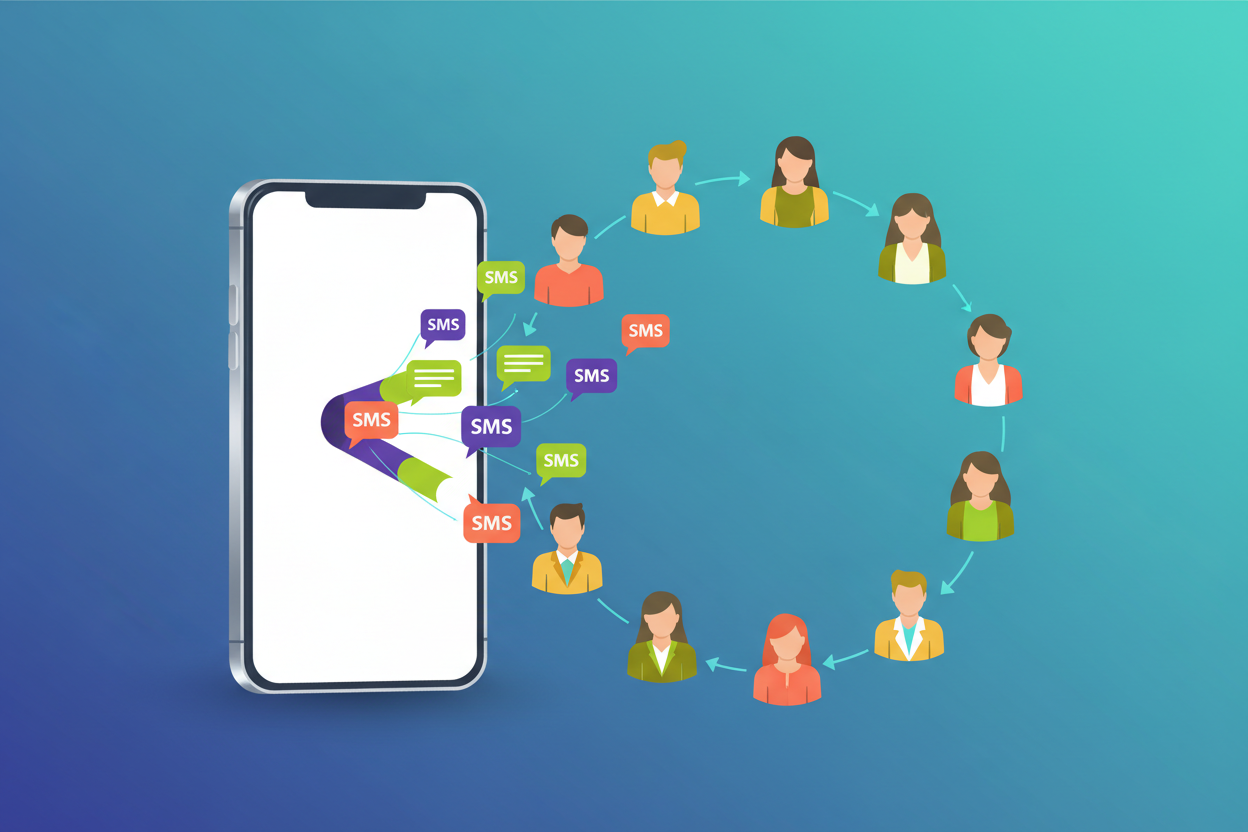
SMS Marketing: Driving Customer Retention Through Personalized Mobile Messaging
In today’s hyper-connected world, businesses are constantly searching for effective ways to maintain meaningful relationships with their customers. While email marketing and social media campaigns dominate the digital landscape, there’s one communication channel that consistently delivers exceptional results: SMS marketing. With an impressive 98% open rate and response times averaging just 90 seconds, text message marketing has emerged as a powerhouse for driving customer retention.
Customer retention isn’t just about keeping clients happy—it’s about building lasting relationships that translate into sustained revenue growth. Studies show that increasing customer retention rates by just 5% can boost profits by 25% to 95%. This is where SMS marketing shines, offering businesses a direct, immediate, and highly personal way to connect with their audience.

Understanding the Power of SMS in Customer Retention
SMS marketing operates on a fundamentally different level than other communication channels. When someone receives a text message, they’re likely to read it within minutes, if not seconds. This immediacy creates unique opportunities for businesses to engage customers at precisely the right moment.
The beauty of SMS lies in its simplicity and ubiquity. Nearly everyone owns a mobile phone, and text messaging requires no special apps or internet connections. This universal accessibility makes SMS marketing an incredibly inclusive retention strategy that can reach customers regardless of their technical sophistication or device preferences.
What makes SMS particularly effective for retention is its personal nature. Text messages feel intimate and direct, creating a sense of one-on-one communication even when sent to thousands of subscribers. This personal touch helps businesses build stronger emotional connections with their customers, which is crucial for long-term retention.
Building Effective SMS Retention Campaigns
Creating successful SMS retention campaigns requires careful planning and strategic thinking. The key is to provide value in every message while maintaining a consistent brand voice that resonates with your audience.
Start by segmenting your customer base according to their behavior, preferences, and purchase history. A customer who buys frequently deserves different messaging than someone who made their first purchase six months ago. This segmentation allows you to craft targeted messages that feel relevant and personalized to each recipient.
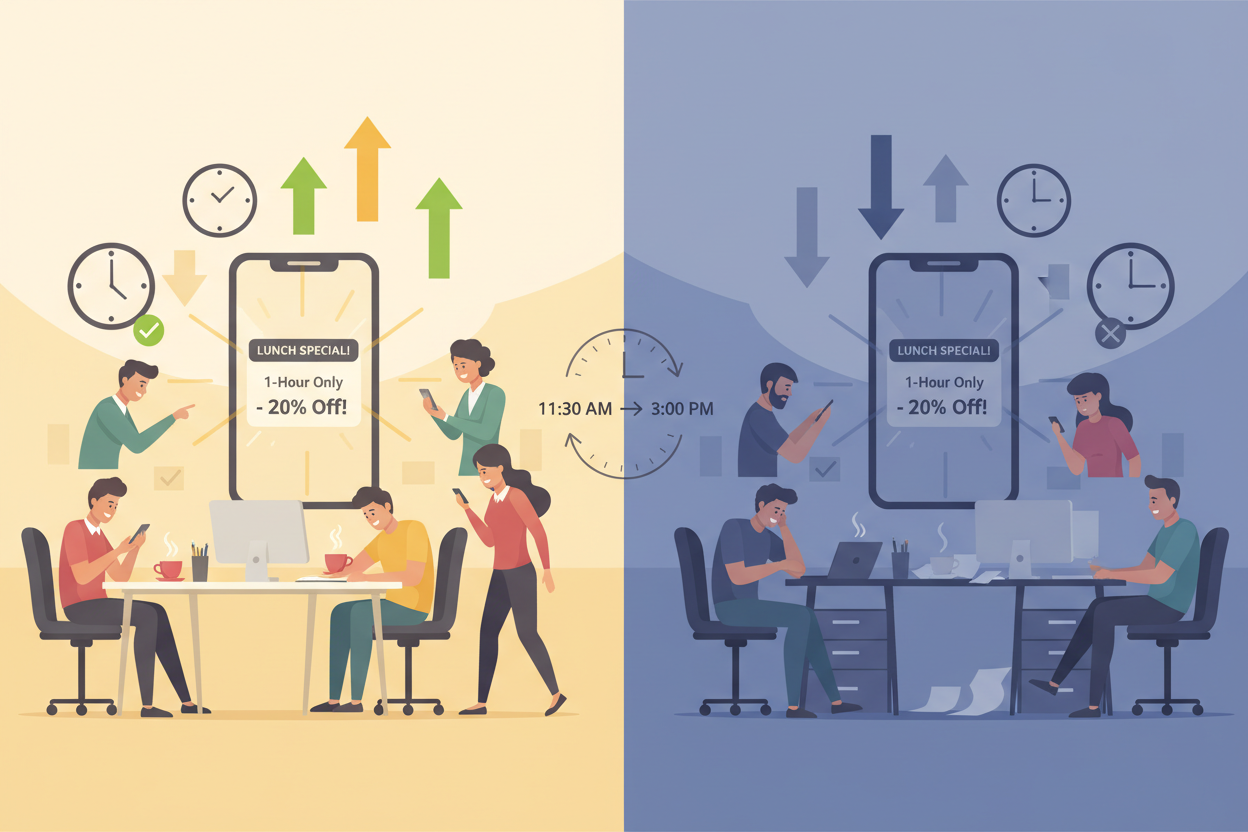
Timing plays a crucial role in SMS campaign success. Unlike emails that might sit unread for hours or days, text messages demand immediate attention. Consider your customers’ daily routines and time zones when scheduling messages. A lunch special promotion sent at 11:30 AM will likely perform better than the same message sent at 3 PM.
The content of your SMS messages should be concise, clear, and compelling. You have limited characters to work with, so every word counts. Focus on delivering immediate value—whether that’s an exclusive discount, important update, or helpful tip related to your products or services.
Personalization Strategies That Drive Results
Personalization transforms generic marketing messages into meaningful customer communications. In SMS marketing, personalization goes beyond simply including the recipient’s name in the message.
Use purchase history data to send relevant product recommendations or complementary item suggestions. If a customer recently bought running shoes, a follow-up message about moisture-wicking socks or a local running event could provide genuine value while encouraging additional purchases.
Birthday and anniversary messages create special moments that customers remember. These personal milestones offer natural opportunities to show appreciation and provide exclusive offers that feel like genuine gifts rather than sales pitches.
Location-based personalization adds another layer of relevance to your messages. Customers near your physical store might appreciate notifications about in-store events or flash sales, while online-only customers might prefer digital promotions or early access to new products.
Timing and Frequency Best Practices
Getting the timing and frequency right can make or break your SMS retention efforts. Too many messages and customers will opt out; too few and you’ll miss valuable engagement opportunities.
Most successful businesses find that 2-4 SMS messages per month strikes the right balance for retention campaigns. This frequency allows you to stay top-of-mind without becoming intrusive. However, the optimal frequency varies by industry and customer expectations, so testing different approaches is essential.
Consider the customer lifecycle when planning message timing. New customers might appreciate a welcome series with helpful tips and product information, while long-term customers might prefer exclusive previews and loyalty rewards.
Pay attention to response patterns and engagement metrics to identify when your audience is most receptive to messages. Many businesses find that Tuesday through Thursday between 10 AM and 4 PM generates the best response rates, but your audience might have different preferences.
Measuring SMS Marketing Success
Tracking the right metrics is essential for optimizing your SMS retention campaigns and demonstrating their value to your business.
Open rates for SMS are typically much higher than email, often exceeding 95%. However, the real value lies in engagement metrics like click-through rates, conversion rates, and customer lifetime value changes among SMS subscribers.
Monitor opt-out rates closely, as they provide insight into message relevance and frequency preferences. A sudden spike in unsubscribes might indicate that your recent messages weren’t well-received or that you’re sending too frequently.
Revenue attribution helps you understand the direct financial impact of your SMS campaigns. Track purchases made within specific timeframes after message delivery to calculate return on investment and identify your most effective message types.
Customer feedback provides qualitative insights that numbers alone can’t capture. Encourage responses to your messages and pay attention to the tone and content of replies. This feedback can guide future campaign improvements and help you better understand customer preferences.
Compliance and Best Practices
SMS marketing operates under strict regulations that vary by country and region. In the United States, the Telephone Consumer Protection Act (TCPA) requires explicit consent before sending marketing messages to mobile phones.
Always obtain clear, documented consent before adding customers to your SMS list. This consent should specify what types of messages they’ll receive and how frequently. Make the opt-in process simple but explicit, avoiding pre-checked boxes or assumed consent.
Include clear opt-out instructions in every message, typically by adding “Reply STOP to opt out” at the end. Honor these requests immediately and maintain detailed records of all consent and opt-out activities.
Respect customer preferences beyond legal requirements. If someone asks to receive fewer messages or only certain types of content, accommodate these requests whenever possible. This flexibility demonstrates that you value their preferences and helps maintain positive relationships.
Integration with Other Marketing Channels
SMS marketing works best when integrated with your broader marketing strategy rather than operating in isolation. Cross-channel coordination creates cohesive customer experiences that reinforce your brand message.
Use SMS to complement your email marketing efforts. While email allows for detailed content and rich media, SMS can serve as timely reminders or urgent notifications. For example, an email might announce a sale, while a follow-up SMS could remind customers about the limited-time nature of the offer.
Social media and SMS can work together to amplify campaign reach and engagement. Use SMS to drive traffic to special social media content or exclusive online events, creating multiple touchpoints that reinforce your message.
Customer service integration allows you to use SMS for proactive support communications. Order confirmations, shipping updates, and delivery notifications via SMS keep customers informed and reduce support inquiries while demonstrating your commitment to excellent service.
Future Trends in SMS Marketing
The SMS marketing landscape continues to evolve with new technologies and changing consumer expectations. Rich Communication Services (RCS) promises to bring enhanced features like images, videos, and interactive buttons to text messaging, creating new opportunities for engaging retention campaigns.
Artificial intelligence and machine learning are making SMS personalization more sophisticated. Predictive analytics can help identify the optimal times to send messages to individual customers and suggest the most relevant content based on behavior patterns.
Conversational SMS is gaining popularity, allowing customers to engage in two-way conversations with businesses. This interactive approach can provide customer service, gather feedback, and create more engaging retention experiences.
As privacy concerns grow, first-party data collection through SMS interactions becomes increasingly valuable. Businesses that build strong SMS relationships with customers will have direct access to engagement data that isn’t dependent on third-party platforms or cookies.
Conclusion
SMS marketing represents one of the most direct and effective channels for driving customer retention in today’s mobile-first world. Its combination of immediate delivery, high open rates, and personal feel creates unique opportunities to build lasting customer relationships.
Success with SMS retention marketing requires a thoughtful approach that prioritizes customer value over promotional frequency. By focusing on personalization, timing, and genuine customer benefit, businesses can create SMS programs that customers appreciate rather than tolerate.
The key lies in understanding that SMS marketing is not just about sending messages—it’s about creating meaningful moments of connection that reinforce why customers chose your business in the first place. When executed properly, SMS marketing becomes a powerful tool for turning one-time buyers into lifelong advocates who not only return themselves but recommend your business to others.
As mobile technology continues to evolve, businesses that master SMS marketing today will be well-positioned to adapt to future innovations while maintaining the fundamental principles of respectful, valuable customer communication that drive retention success.
Free Traffic Sources
Get Access To 15 Of The HOTTEST Free Traffic Sources On The Planet!