
SMS Marketing: Connecting with Millennials in the Digital Age
Picture this: you’re scrolling through your phone, ignoring the flood of promotional emails cluttering your inbox, when suddenly a text message pops up. It’s brief, personal, and catches your attention immediately. This scenario plays out millions of times daily, especially among millennials who have grown up with mobile phones practically attached to their hands. As businesses scramble to reach this influential demographic, SMS marketing has emerged as one of the most effective channels for connecting with millennials in meaningful ways.
Born between 1981 and 1996, millennials represent the largest generation in the workforce and wield tremendous purchasing power. They’re digital natives who value authenticity, convenience, and instant gratification. Traditional marketing approaches often fall flat with this generation, but SMS marketing offers a direct line of communication that aligns perfectly with their communication preferences and lifestyle habits.
Why Millennials Embrace SMS Communication
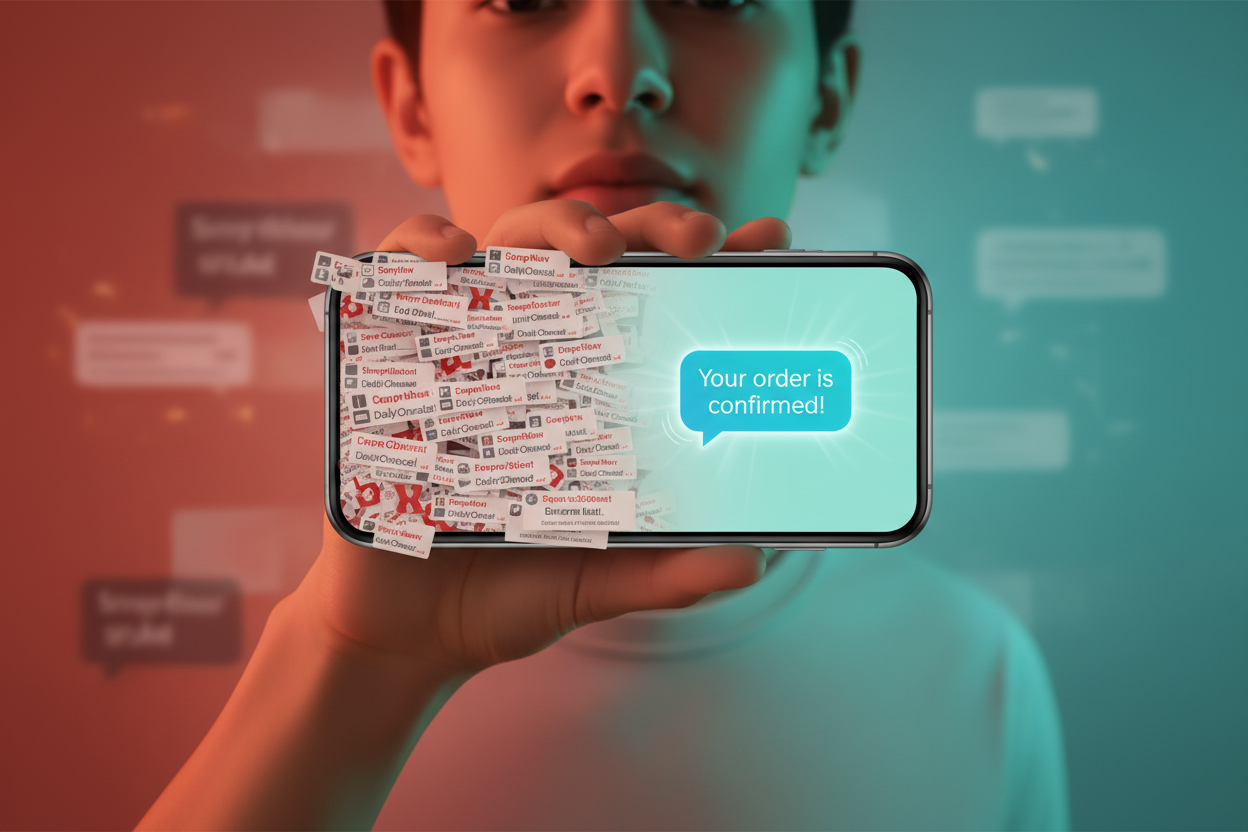
Millennials didn’t just adopt mobile technology – they helped shape it. Text messaging became their primary form of communication during their formative years, creating deeply ingrained habits that persist today. Unlike email, which can feel formal and overwhelming, or social media, which is often cluttered with noise, SMS provides a clean, direct communication channel that millennials trust and actively engage with.
Research consistently shows that millennials check their phones over 150 times per day, with text messages being one of the first things they view upon waking up. This constant connectivity creates unprecedented opportunities for businesses to reach their target audience when they’re most receptive to messaging. The intimate nature of SMS – delivered directly to a personal device – creates a sense of exclusivity that resonates with millennials’ desire for personalized experiences.
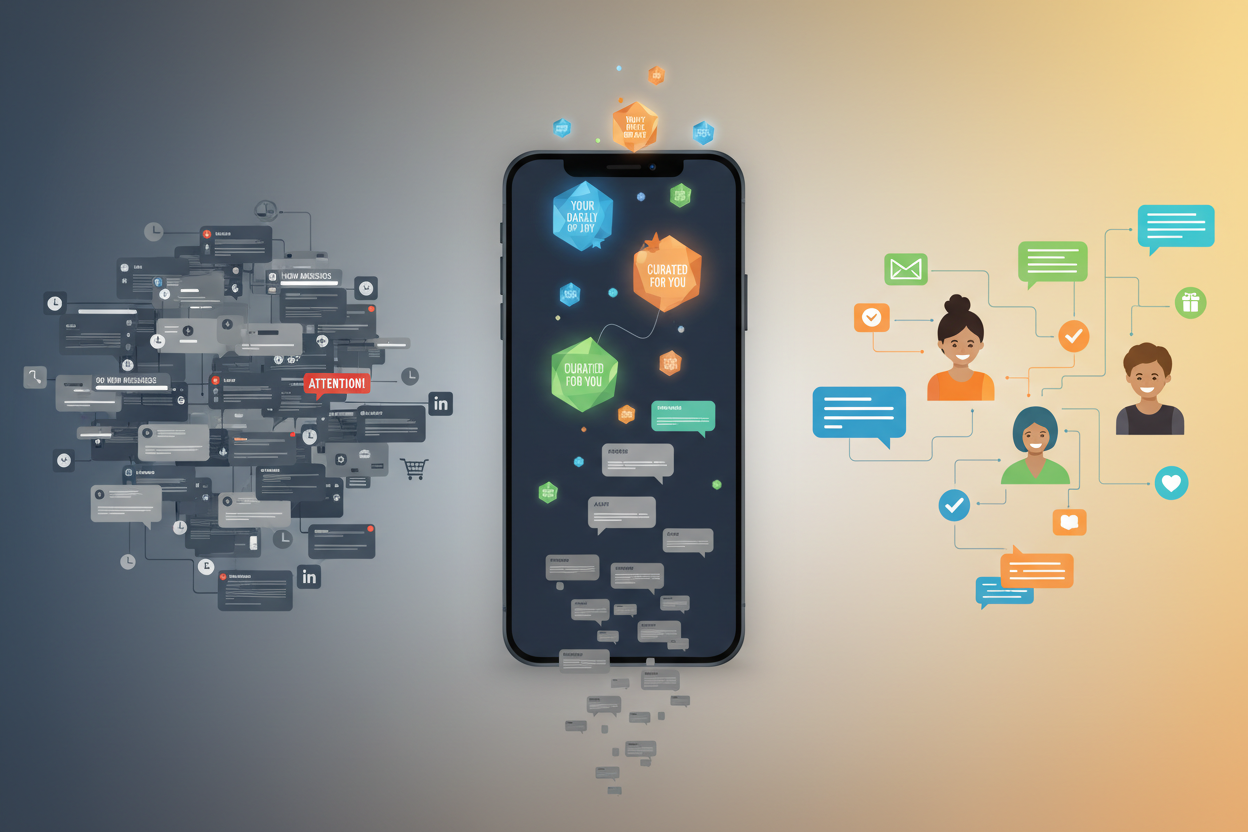
Moreover, millennials appreciate the brevity that SMS demands. In an age of information overload, the character limit forces brands to be concise and get straight to the point. This aligns perfectly with millennials’ preference for quick, digestible content that doesn’t waste their time.
The Power of Instant Engagement
One of SMS marketing’s greatest strengths lies in its immediacy. While emails might sit unread for hours or days, text messages typically receive attention within minutes of delivery. This rapid response time is particularly valuable when targeting millennials, who have grown accustomed to instant communication and immediate satisfaction.
The engagement rates for SMS marketing far exceed those of traditional channels. Open rates consistently hover around 98%, with response rates reaching 45% in some industries. These numbers are particularly impressive when compared to email marketing, which struggles to achieve open rates above 20%. For millennials specifically, these engagement rates are even higher, as this generation has maintained strong texting habits throughout their adult lives.
This instant engagement translates into real business results. Flash sales announced via SMS can drive immediate traffic and conversions, while time-sensitive offers create urgency that motivates quick action. Millennials, who often research purchases extensively online, appreciate the ability to receive exclusive deals and updates that help them make informed decisions quickly.
Personalization That Actually Works
Millennials can spot generic marketing from a mile away, and they’re quick to disengage from brands that don’t speak to them personally. SMS marketing excels in this area because it naturally lends itself to personalized, conversational messaging. Unlike mass email campaigns that often feel impersonal, text messages can be crafted to feel like they’re coming from a friend or trusted advisor.
Successful SMS campaigns targeting millennials often incorporate personal details like purchase history, location data, or browsing behavior. A clothing retailer might send a text about a sale on items similar to previous purchases, or a restaurant could notify nearby customers about lunch specials. This level of personalization makes millennials feel valued as individuals rather than just another number in a database.
The conversational nature of SMS also allows for two-way communication, which millennials highly value. They can respond with questions, feedback, or requests, creating a dialogue rather than a one-sided marketing pitch. This interactive element builds stronger relationships and increases brand loyalty among millennial consumers who expect to have a voice in their brand interactions.
Mobile-First Mindset Meets SMS Strategy
Millennials pioneered the mobile-first approach to digital consumption, and their behavior patterns reflect this preference. They’re more likely to make purchases on mobile devices, research products on their phones, and expect seamless mobile experiences from the brands they support. SMS marketing aligns perfectly with this mobile-centric lifestyle.
Unlike other marketing channels that require millennials to switch between apps or platforms, SMS integrates seamlessly into their existing mobile routines. They don’t need to download special apps, create new accounts, or navigate complex interfaces. The message appears directly in their native messaging app, reducing friction and increasing the likelihood of engagement.
This mobile-first alignment also extends to the types of content that work best in SMS marketing. Short, actionable messages that can be quickly consumed and acted upon perform exceptionally well with millennial audiences. Whether it’s a link to complete a purchase, a code to redeem an offer, or a simple reminder about an upcoming event, SMS content designed for mobile consumption resonates strongly with this demographic.
Building Trust Through Transparency
Trust is paramount for millennials when choosing which brands to support. They’ve grown up during an era of corporate scandals and data breaches, making them naturally skeptical of marketing messages. However, SMS marketing can actually help build trust when executed properly, thanks to its opt-in nature and transparent communication style.
The fact that customers must actively choose to receive SMS messages creates an initial foundation of trust. Millennials appreciate having control over their communication preferences, and the ability to easily opt out of SMS campaigns gives them confidence that brands respect their boundaries. This consent-based approach aligns with millennials’ expectations for transparent, ethical business practices.
Furthermore, the direct nature of SMS messaging can help humanize brands in the eyes of millennial consumers. When messages feel authentic and conversational rather than overly promotional, they help build genuine connections. Millennials are more likely to trust brands that communicate honestly and don’t try to hide behind corporate jargon or manipulative tactics.
Timing and Frequency Best Practices
Successfully connecting with millennials through SMS requires careful attention to timing and frequency. While this generation is highly connected, they also value their personal time and can quickly become annoyed by intrusive or excessive messaging. Finding the right balance is crucial for maintaining positive relationships with millennial subscribers.
Research indicates that millennials are most receptive to SMS messages during specific time windows. Late morning and early evening tend to generate the highest engagement rates, while very early morning or late night messages often backfire. However, the optimal timing can vary significantly based on the specific audience and industry, making testing and optimization essential.
Frequency is equally important. While millennials appreciate staying informed about deals and updates, they quickly unsubscribe from brands that overwhelm them with messages. Most successful campaigns targeting millennials send no more than 2-4 messages per week, focusing on high-value content rather than constant promotion. Quality consistently trumps quantity when it comes to millennial SMS marketing.
Integration with Omnichannel Marketing
Millennials don’t exist in a single-channel vacuum – they interact with brands across multiple touchpoints throughout their customer journey. Effective SMS marketing for this demographic works best when integrated with other marketing channels to create cohesive, seamless experiences.
Smart brands use SMS to complement their email marketing, social media efforts, and in-store experiences. For example, a retailer might use SMS to notify millennial customers about items left in their online shopping cart, send exclusive previews of new collections, or provide updates on order status. These messages work in concert with email campaigns and social media content to create a unified brand experience.
The key is ensuring that SMS messages feel like a natural part of the broader brand conversation rather than disconnected promotional blasts. Millennials expect consistency across channels, and brands that successfully integrate SMS into their omnichannel strategy often see higher engagement and loyalty rates from this demographic.
Conclusion
SMS marketing represents a powerful opportunity for brands looking to connect authentically with millennial consumers. This generation’s deep relationship with mobile technology, preference for direct communication, and desire for personalized experiences make them ideal candidates for well-executed SMS campaigns. The key lies in understanding their communication preferences, respecting their time and attention, and delivering genuine value through every message.
Success with millennial SMS marketing isn’t about sending more messages – it’s about sending better ones. Brands that focus on personalization, timing, and integration with broader marketing efforts will find that SMS can become one of their most effective channels for building lasting relationships with this influential demographic. As millennials continue to drive consumer trends and spending patterns, mastering SMS marketing will become increasingly crucial for businesses looking to thrive in the digital marketplace.
The future of marketing lies in meeting consumers where they are, and for millennials, that place is increasingly their mobile phones. SMS marketing offers a direct path to their attention, but it requires respect, authenticity, and strategic thinking to truly succeed. Brands that embrace these principles will find themselves well-positioned to build meaningful connections with the millennial generation for years to come.
Free Traffic Sources
Get Access To 15 Of The HOTTEST Free Traffic Sources On The Planet!