Facebook Marketing: Engaging with Younger Audiences in 2024
Let’s face it – reaching younger audiences on Facebook isn’t what it used to be. While your business might have thrived on the platform when millennials were college students eagerly sharing every meal and milestone, today’s landscape looks dramatically different. Gen Z users are scattered across TikTok, Instagram, and platforms that didn’t even exist five years ago. Yet here’s the thing: Facebook still holds tremendous value for connecting with younger demographics, but only if you know how to speak their language.
The key lies in understanding that younger audiences haven’t completely abandoned Facebook – they’ve simply evolved how they use it. They’re more selective, more skeptical of traditional advertising, and infinitely more responsive to authentic, value-driven content. This shift requires marketers to completely rethink their approach to Facebook marketing for younger demographics.
Understanding the Younger Facebook User Mindset
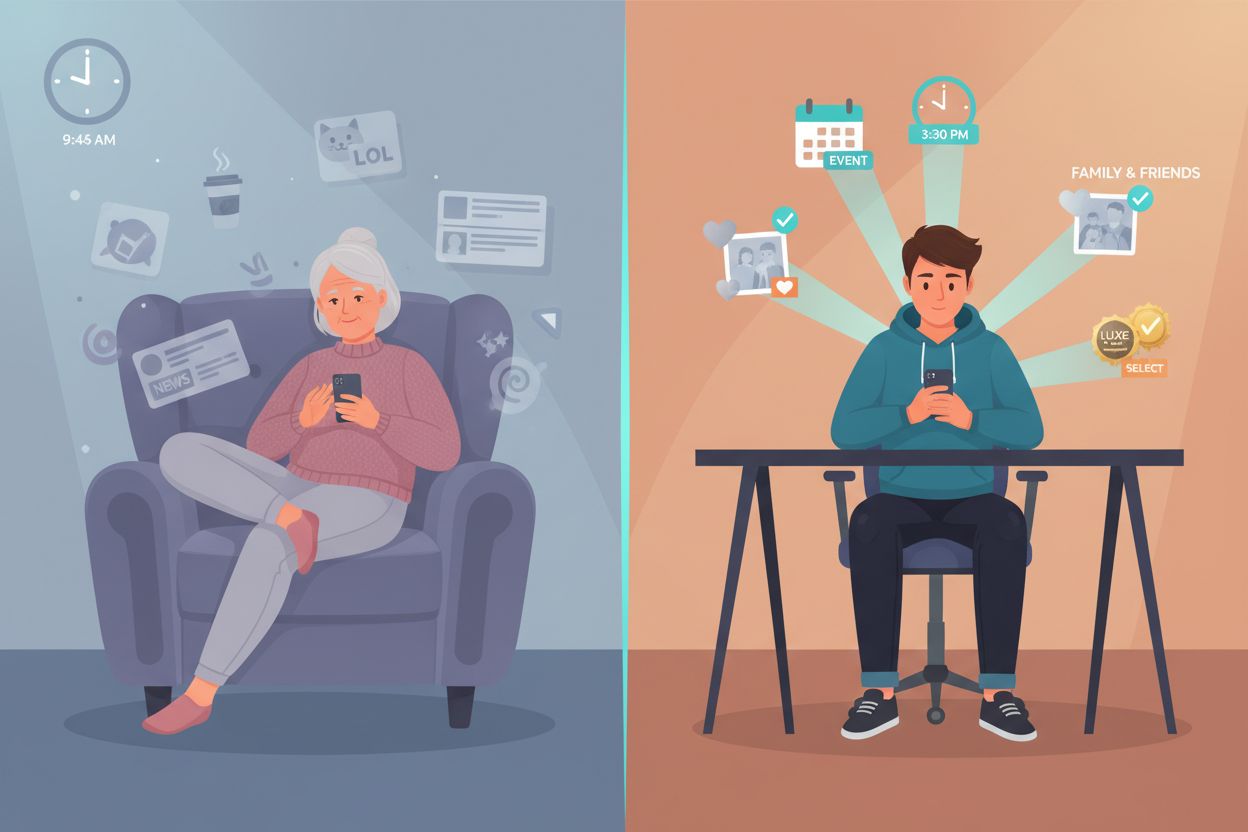
Before diving into tactics, you need to grasp how younger audiences actually interact with Facebook today. Unlike older users who might scroll through their feed casually throughout the day, younger users tend to have specific purposes when they open the app. They’re looking for event information, checking in with family, or engaging with brands that have earned their attention through genuine value.
This generation grew up with social media, making them incredibly savvy about marketing tactics. They can spot a generic, promotional post from miles away and will scroll past without a second thought. However, when content resonates with their values, interests, or current challenges, they become some of the most engaged and loyal followers you’ll find.
The younger Facebook audience also values transparency and authenticity above polished perfection. They want to see the real people behind brands, understand company values, and feel like they’re part of a community rather than just being sold to constantly.
Creating Authentic Content That Resonates
Authenticity isn’t just a buzzword when it comes to younger audiences – it’s absolutely essential. These users have grown up watching influencer marketing evolve and can instantly identify when content feels forced or overly promotional. Your Facebook content needs to feel genuine, even when it’s clearly branded.
Start by sharing behind-the-scenes content that humanizes your brand. Show your team members, your workspace, or the process behind creating your products. When a local coffee shop posts a video of their barista perfecting latte art at 6 AM, complete with genuine frustration when the design doesn’t turn out right, that’s the kind of authentic moment that younger audiences connect with.
User-generated content works particularly well with this demographic. When customers share photos using your product or service, resharing that content (with permission) shows that real people genuinely enjoy what you offer. It’s peer recommendation in its most natural form.
Consider addressing real issues or challenges that your audience faces. Instead of just promoting your fitness app, create content about dealing with workout motivation during stressful periods or finding time for exercise with a busy schedule. This approach positions your brand as helpful rather than purely promotional.
Leveraging Visual Storytelling and Video Content
Younger audiences are visual learners who’ve been shaped by platforms like Instagram, TikTok, and YouTube. Your Facebook content needs to compete with the high-quality, engaging visual content they see everywhere else. This doesn’t mean you need a Hollywood budget, but it does mean being intentional about your visual strategy.
Video content consistently outperforms static images when targeting younger demographics on Facebook. However, the key is creating videos that provide value within the first few seconds. Younger users make split-second decisions about whether content is worth their time, so your opening needs to immediately communicate value.
Short-form videos work particularly well – think 15 to 60 seconds that deliver a complete thought or useful tip. A skincare brand might create quick videos showing a 30-second morning routine, while a tech company could demonstrate a little-known feature of their software that saves users time.
Stories and carousel posts also perform well with younger audiences because they allow for more dynamic storytelling. Use these formats to take followers through a process, show before-and-after transformations, or provide step-by-step guides to solving common problems.
Building Community Through Interactive Features
Younger audiences don’t just want to consume content – they want to participate in conversations and feel like valued community members. Facebook’s interactive features provide excellent opportunities to create this sense of community and engagement.
Facebook Groups can be incredibly powerful for building communities around shared interests or challenges. Instead of just promoting your products, create groups where your audience can connect with each other. A sustainable fashion brand might create a group for sharing thrift store finds and styling tips, positioning themselves as facilitators rather than just sellers.
Live video sessions create real-time connection opportunities that younger audiences appreciate. Host Q&A sessions, behind-the-scenes tours, or educational workshops. The key is consistency – regular live sessions help build anticipation and create routine engagement with your audience.
Polls, questions, and interactive posts encourage participation and provide valuable insights into your audience’s preferences. Ask for opinions on new product ideas, get feedback on content topics, or simply start conversations about industry trends. When followers see that their input genuinely influences your decisions, they become more invested in your brand’s success.
Timing and Frequency Strategies That Work
Understanding when and how often to post on Facebook for younger audiences requires recognizing their different usage patterns compared to older demographics. Younger users often check Facebook during specific times – perhaps during lunch breaks, after work, or late evening when they’re winding down.
Rather than posting multiple times daily, focus on quality over quantity. Younger audiences would rather see one genuinely interesting post than three mediocre ones. They’re also more likely to engage with content that feels timely and relevant to current events or trends.
Pay attention to your Facebook Insights to identify when your specific audience is most active. While general best practices suggest posting during lunch hours or early evening, your particular audience might have different patterns based on their lifestyle, location, or interests.
Consider the context of when you’re posting as well. Motivational content might perform better on Monday mornings, while entertainment-focused posts could work better on Friday afternoons. Educational content often performs well mid-week when people are looking for professional development or learning opportunities.
Collaborating with Micro-Influencers and Brand Advocates
Younger audiences trust peer recommendations far more than traditional advertising, making influencer partnerships and brand advocacy programs incredibly valuable for Facebook marketing. However, the approach needs to feel organic rather than obviously sponsored.
Micro-influencers often provide better engagement rates with younger audiences than mega-influencers because their followers see them as more relatable and trustworthy. Partner with micro-influencers who genuinely align with your brand values and have authentic engagement with their followers.
Brand advocacy programs can turn satisfied customers into ongoing content creators. Provide your biggest fans with exclusive access, early product releases, or special recognition in exchange for authentic content creation. When their friends see genuine enthusiasm for your brand, it carries more weight than any paid advertisement.
Employee advocacy also works well with younger audiences who want to see the real people behind brands. Encourage team members to share appropriate behind-the-scenes content or industry insights from their personal perspectives, always ensuring they’re comfortable with this approach and have clear guidelines.
Measuring Success and Adapting Your Strategy
Success metrics for younger audiences on Facebook often look different than traditional marketing KPIs. While reach and impressions matter, engagement quality, community growth, and sentiment are often more meaningful indicators of success with this demographic.
Track metrics like comment sentiment, share-to-impression ratios, and the quality of conversations happening on your posts. Younger audiences might not always like or comment, but they’ll share content they find genuinely valuable with their networks.
Pay attention to which content formats generate the most meaningful engagement. You might find that educational posts generate more comments and discussion, while entertainment content gets more shares. Use these insights to refine your content strategy over time.
Regular audience surveys can provide insights that analytics alone can’t capture. Ask your followers what type of content they find most valuable, what challenges they’re facing, or what topics they’d like to see covered. This direct feedback helps ensure your strategy stays aligned with their evolving needs and interests.
Conclusion
Successfully marketing to younger audiences on Facebook requires a fundamental shift from traditional promotional tactics to community-building and value creation. These users aren’t looking for another brand trying to sell them something – they’re seeking authentic connections, valuable information, and communities where they feel understood and appreciated.
The brands that succeed with younger Facebook audiences are those that prioritize genuine relationship-building over quick sales, invest in creating truly valuable content, and consistently show up as helpful community members rather than just promotional entities. While this approach requires more patience and creativity than traditional advertising, the loyalty and advocacy it generates make it incredibly worthwhile.
Remember that engaging younger audiences is an ongoing process that requires constant adaptation and genuine commitment to serving their needs. Stay curious about their evolving preferences, remain authentic in your communications, and always prioritize providing value over making sales. When you get this balance right, Facebook can become a powerful platform for building lasting relationships with the next generation of consumers.
Free Traffic Sources
Get Access To 15 Of The HOTTEST Free Traffic Sources On The Planet!