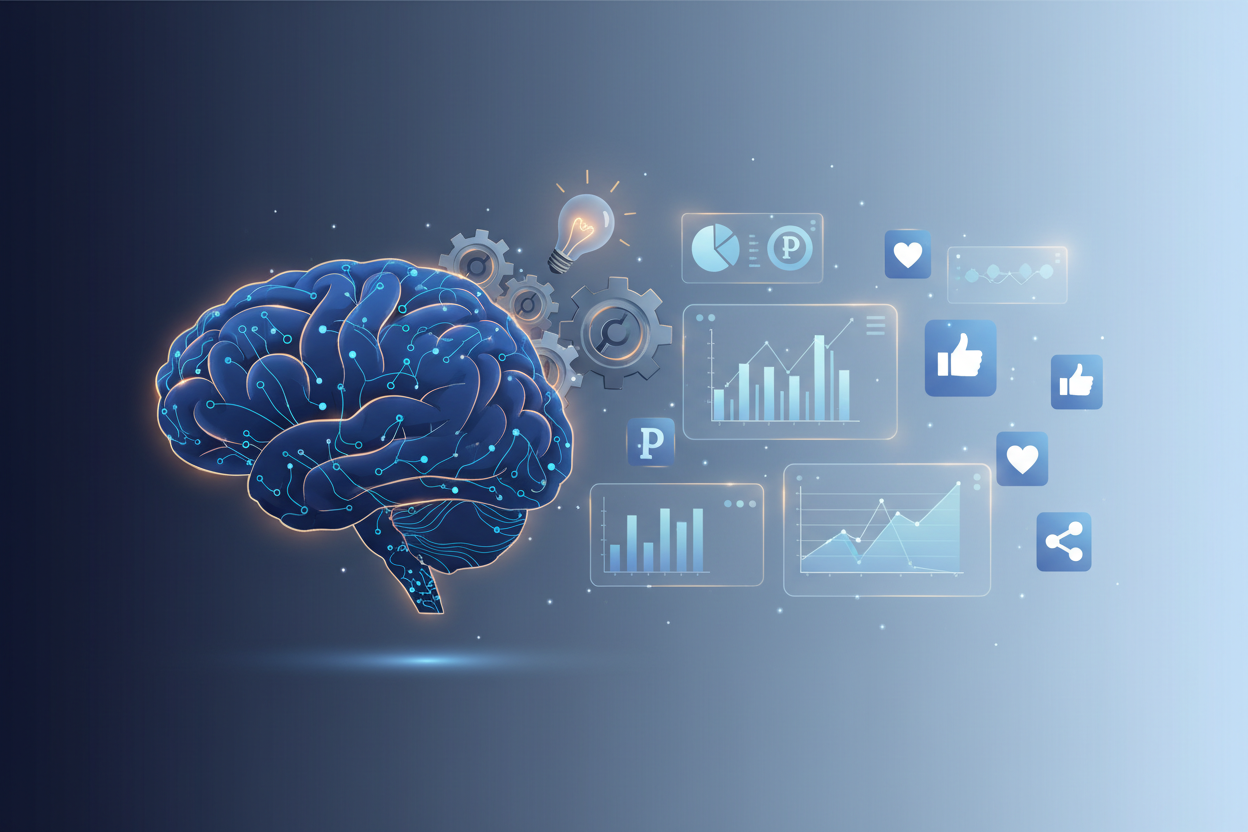
The Psychology Behind Successful Facebook Marketing Campaigns
Have you ever wondered why some Facebook ads make you stop scrolling and actually click, while others barely register in your mind? The secret lies not in fancy graphics or clever copywriting alone, but in understanding the fundamental psychological principles that drive human behavior online. Successful Facebook marketing campaigns tap into these deep-seated psychological triggers, creating content that resonates with our emotions, desires, and decision-making processes.
As someone who has analyzed hundreds of successful Facebook campaigns over the years, I’ve noticed distinct patterns in how the most effective marketers leverage psychological principles to capture attention, build trust, and drive conversions. Whether you’re a small business owner trying to reach local customers or a marketing professional managing campaigns for major brands, understanding these psychological foundations can transform your Facebook marketing results.

The Power of Social Proof in Facebook Marketing
One of the most powerful psychological principles driving successful Facebook campaigns is social proof. This concept, first popularized by psychologist Robert Cialdini, suggests that people look to others’ behavior to guide their own decisions, especially when they’re uncertain about what to do.
On Facebook, social proof manifests in various forms. The number of likes, comments, and shares on your posts serves as immediate social validation. When users see that hundreds or thousands of people have engaged with your content, their brains automatically interpret this as a signal that your brand or message is worth paying attention to.

Smart marketers amplify this effect by strategically showcasing customer testimonials, user-generated content, and case studies in their Facebook campaigns. Instead of simply stating that their product is great, they let satisfied customers tell the story. This approach feels more authentic and trustworthy because it removes the obvious bias of self-promotion.
Consider how successful brands often share customer photos featuring their products, or repost positive reviews as Facebook posts. This strategy works because it provides potential customers with relatable examples of real people benefiting from the product or service, making the decision to purchase feel safer and more validated.
Emotional Triggers That Drive Facebook Engagement
Emotions are the driving force behind most purchasing decisions, and Facebook’s visual nature makes it an ideal platform for emotional marketing. Successful campaigns understand that people don’t buy products; they buy feelings, solutions to problems, or improvements to their lives.
Fear of missing out (FOMO) remains one of the most effective emotional triggers on Facebook. Limited-time offers, exclusive deals, and countdown timers tap into our natural anxiety about scarcity and loss. When we see a post advertising “24 hours left” or “only 5 spots remaining,” our brains shift into urgency mode, often bypassing rational analysis in favor of quick action.
Joy and happiness are equally powerful motivators. Campaigns that make people smile, laugh, or feel good about themselves tend to generate higher engagement rates. This is why feel-good content, inspirational quotes, and humor-based marketing often perform exceptionally well on Facebook. When people associate positive emotions with your brand, they’re more likely to remember you and make a purchase later.
Successful marketers also leverage the psychology of aspiration. They don’t just sell products; they sell the lifestyle, status, or identity that comes with those products. A fitness brand doesn’t just advertise workout equipment; they showcase the confident, healthy person you could become. A luxury brand doesn’t just display their products; they paint a picture of the sophisticated lifestyle their customers enjoy.
The Science of Visual Psychology on Facebook
Facebook is fundamentally a visual platform, and understanding visual psychology is crucial for campaign success. Our brains process visual information approximately 60,000 times faster than text, which means your images and videos have mere milliseconds to capture attention as users scroll through their feeds.
Color psychology plays a significant role in Facebook marketing effectiveness. Red creates urgency and excitement, making it perfect for sale announcements or call-to-action buttons. Blue conveys trust and reliability, which is why many financial and healthcare brands incorporate it heavily into their Facebook presence. Green suggests growth, nature, and money, making it ideal for environmental or financial content.
The psychology of faces is particularly powerful on Facebook. Images featuring human faces, especially those showing genuine emotions, consistently outperform abstract or product-only images. This happens because humans are naturally programmed to pay attention to faces and interpret emotional expressions. When someone sees a smiling face in your Facebook ad, mirror neurons in their brain activate, creating a subtle positive emotional response.
Video content taps into additional psychological principles. Movement naturally captures attention, and the combination of visual and auditory stimuli creates a more immersive experience. Successful Facebook video campaigns often start with a compelling visual hook within the first three seconds, understanding that users make split-second decisions about whether to continue watching.
Cognitive Biases That Influence Facebook User Behavior
Understanding cognitive biases can significantly improve your Facebook marketing effectiveness. These mental shortcuts that our brains use to process information quickly can be leveraged ethically to create more compelling campaigns.
The anchoring bias affects how people perceive value on Facebook. When you present pricing information, the first number people see becomes their reference point for all subsequent comparisons. This is why showing a “regular price” crossed out next to a “sale price” is so effective, or why presenting your premium option first makes your standard option seem more reasonable.
The confirmation bias leads people to seek information that confirms their existing beliefs while ignoring contradictory evidence. Successful Facebook campaigns tap into this by creating content that aligns with their target audience’s existing values and worldviews. Instead of trying to change minds, they reinforce what people already believe while positioning their product as the logical choice for someone with those beliefs.
Loss aversion, the psychological principle that people feel the pain of losing something twice as strongly as the pleasure of gaining something equivalent, drives many successful Facebook campaigns. Framing your message around what people might lose by not taking action often proves more effective than focusing solely on what they’ll gain.
Building Trust and Credibility Through Psychological Principles
Trust is the foundation of all successful marketing relationships, and Facebook’s social environment requires special attention to credibility-building. The psychology of trust involves several key factors that smart marketers incorporate into their campaigns.
Consistency builds trust over time. When your Facebook presence maintains consistent messaging, visual branding, and posting schedule, followers develop confidence in your reliability. This psychological principle, known as the consistency bias, suggests that people prefer to interact with entities that behave predictably.
Authority is another crucial trust factor. Sharing content that demonstrates expertise, featuring credentials or certifications, and associating with recognized industry leaders all contribute to perceived authority. When people view you as an expert in your field, they’re more likely to trust your recommendations and make purchases.
Transparency and authenticity resonate strongly with Facebook users who are increasingly skeptical of overly polished marketing messages. Successful campaigns often include behind-the-scenes content, admit to mistakes when they occur, and show the human side of their business. This vulnerability creates psychological safety and emotional connection with audiences.
The Psychology of Timing and Frequency
When and how often you post on Facebook involves psychological considerations beyond simple algorithm optimization. Understanding your audience’s mental state at different times can significantly impact campaign effectiveness.
People’s psychological receptiveness to marketing messages varies throughout the day and week. Generally, decision-making fatigue sets in as the day progresses, making morning posts more effective for complex or high-consideration purchases. Evening posts might work better for entertainment or emotional content when people are more relaxed and open to inspiration.
The mere exposure effect suggests that people develop preferences for things they encounter frequently. However, there’s a delicate balance between beneficial repeated exposure and annoying overexposure. Successful Facebook marketers understand their audience’s tolerance levels and adjust posting frequency accordingly.
Personalization and the Psychology of Individual Attention
Facebook’s targeting capabilities allow for unprecedented personalization, and the psychology behind personalized marketing is compelling. When people feel that content is specifically relevant to them, they’re more likely to pay attention and take action.
Using demographic and behavioral data to create personalized messages taps into the psychological principle that people are naturally more interested in information that relates directly to their situation. A fitness ad showing someone of similar age and fitness level will resonate more strongly than a generic message featuring a professional athlete.
Dynamic content that changes based on user behavior or preferences creates a sense of individual attention that builds stronger connections. When someone sees content that reflects their recent browsing behavior or stated interests, it feels like personal service rather than mass marketing.
Conclusion
The psychology behind successful Facebook marketing campaigns reveals that effective digital marketing is fundamentally about understanding human nature. By leveraging principles like social proof, emotional triggers, visual psychology, and cognitive biases, marketers can create campaigns that feel natural and compelling rather than pushy or manipulative.
The key is to use these psychological insights ethically, focusing on creating genuine value for your audience while building authentic relationships. When you understand why people behave the way they do on Facebook, you can craft messages that resonate deeply, build trust over time, and ultimately drive meaningful business results.
Remember that psychology-based marketing isn’t about tricking people into buying something they don’t need. Instead, it’s about presenting your genuine value proposition in a way that aligns with how people naturally think, feel, and make decisions. This approach creates win-win situations where customers feel good about their choices and businesses build sustainable, long-term success.
As you develop your next Facebook marketing campaign, consider which psychological principles might enhance your message’s effectiveness. Test different approaches, measure results, and continuously refine your understanding of what motivates your specific audience. The intersection of psychology and marketing will continue evolving, but these fundamental human behaviors will remain constant, providing a reliable foundation for your Facebook marketing success.
Free Traffic Sources
Get Access To 15 Of The HOTTEST Free Traffic Sources On The Planet!