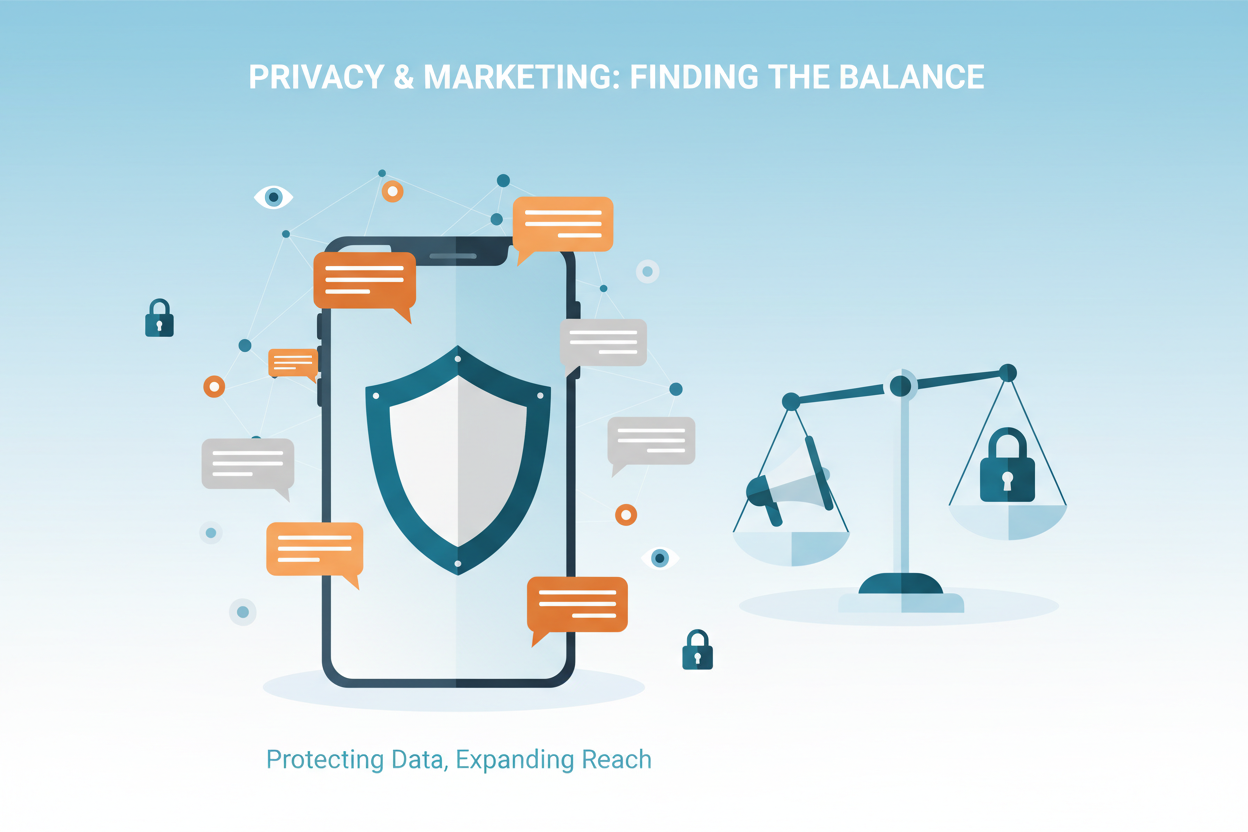
SMS Marketing: Navigating Privacy Concerns in the Digital Age
In today’s hyperconnected world, SMS marketing has emerged as one of the most direct and effective ways to reach customers. With open rates soaring above 90%, it’s no wonder businesses are flocking to text message marketing. However, this powerful tool comes with significant responsibilities, particularly when it comes to protecting consumer privacy.
As marketers, we’re walking a tightrope between delivering personalized, timely messages and respecting our customers’ privacy rights. The challenge isn’t just about compliance—it’s about building genuine trust in an era where data breaches make headlines daily and consumers are increasingly protective of their personal information.
The Current Privacy Landscape for SMS Marketing
Privacy regulations have evolved dramatically over the past few years, fundamentally changing how businesses approach SMS marketing. The introduction of GDPR in Europe, CCPA in California, and various other regional privacy laws has created a complex web of requirements that marketers must navigate carefully.
What makes SMS particularly sensitive is its inherently personal nature. Unlike email addresses, which people often create specifically for commercial purposes, phone numbers are deeply personal identifiers. They’re tied to our daily lives, our emergency contacts, and our most private communications. When someone shares their phone number with your business, they’re placing significant trust in you.
The regulatory landscape continues to shift, with new privacy laws emerging regularly. The key is understanding that these aren’t just legal hurdles to overcome—they represent a fundamental shift toward respecting consumer autonomy and choice in how their data is used.
Understanding Consumer Consent in SMS Marketing
Consent forms the foundation of ethical SMS marketing, but it’s far more nuanced than simply getting someone to say “yes.” Effective consent must be informed, specific, and freely given. This means customers need to understand exactly what they’re signing up for, how often they’ll hear from you, and what type of content they’ll receive.
The days of pre-checked boxes and buried opt-in clauses are over. Modern consent requires transparency and clarity. When someone subscribes to your SMS list, they should know whether they’re getting promotional offers, appointment reminders, shipping updates, or a combination of these. They should also understand how their data will be stored, processed, and potentially shared.
Double opt-in processes have become increasingly popular, and for good reason. While they might reduce initial sign-up numbers, they significantly improve engagement rates and reduce complaints. When someone confirms their subscription via a follow-up text, you can be confident they genuinely want to hear from you.
Building Trust Through Transparent Communication
Trust isn’t built overnight, and it can be destroyed with a single misstep. Transparent communication starts from the very first interaction and continues throughout the entire customer relationship. This means being upfront about your data collection practices, clearly explaining how customer information will be used, and making it easy for people to modify their preferences or opt out entirely.
Your privacy policy shouldn’t be an afterthought buried in legal jargon. Instead, consider creating customer-friendly privacy summaries that explain your practices in plain language. Many successful brands now include brief privacy explanations right at the point of SMS sign-up, helping customers make informed decisions without having to hunt through lengthy legal documents.
Regular communication about privacy practices also helps maintain trust. If you update your data handling procedures or introduce new features, let your subscribers know. This proactive approach demonstrates respect for their privacy and reinforces your commitment to transparency.
Data Collection Best Practices for SMS Campaigns
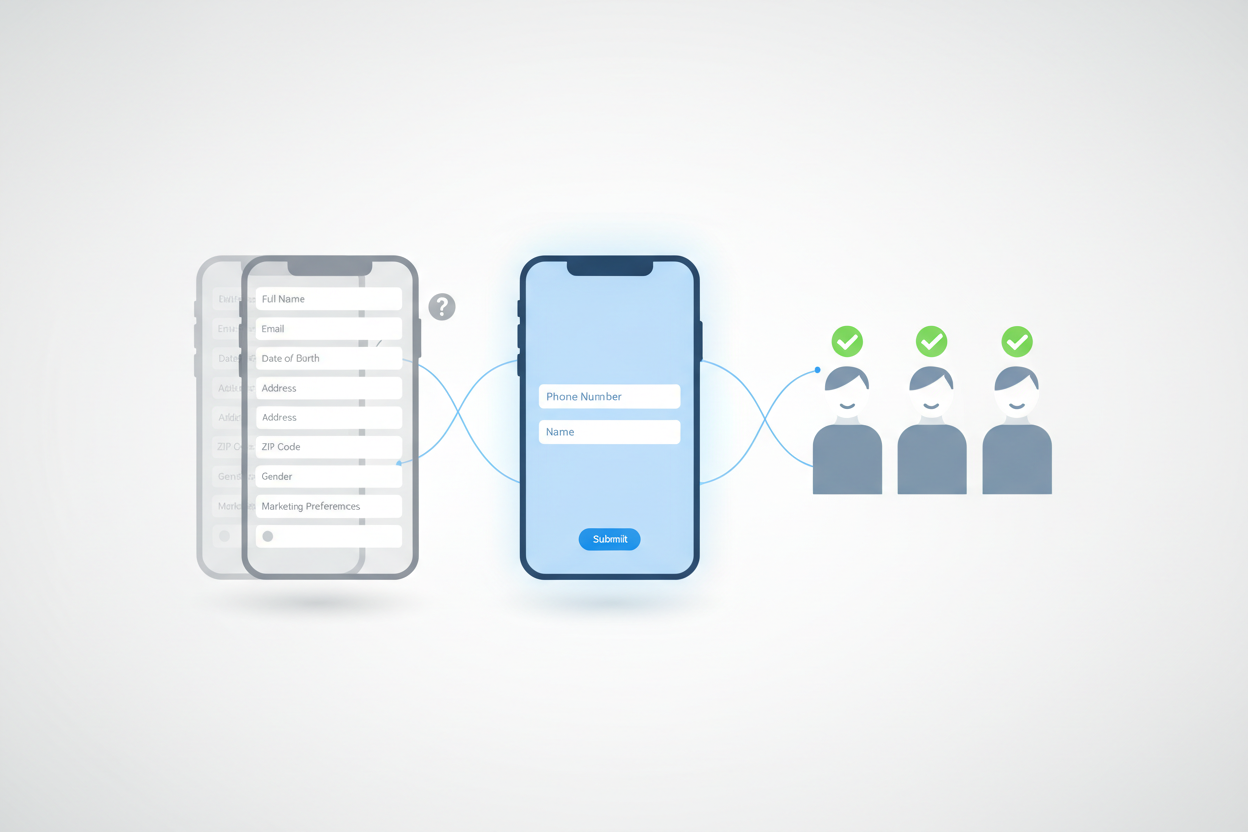
The principle of data minimization should guide every SMS marketing campaign. Simply put, collect only the information you actually need to provide value to your customers. If you’re running a basic promotional campaign, you might only need a phone number and perhaps a first name. Resist the temptation to gather extensive personal details unless they directly enhance the customer experience.
When you do collect additional data, make sure customers understand why you need it and how it benefits them. For example, if you’re asking for birthday information, explain that it’s to send special birthday offers. If you need location data, clarify that it’s for store-specific promotions or local event notifications.
Implement robust data validation processes to ensure accuracy and reduce the risk of sending messages to wrong numbers. This not only protects privacy but also improves your campaign effectiveness and reduces costs associated with failed deliveries.
Secure Data Storage and Management
Once you’ve collected customer data, protecting it becomes your responsibility. This goes beyond basic password protection—it requires implementing comprehensive security measures that safeguard information throughout its entire lifecycle.
Encryption should be standard for both data at rest and data in transit. This means customer information is protected whether it’s sitting in your database or being transmitted between systems. Regular security audits help identify vulnerabilities before they can be exploited, and having an incident response plan ensures you can act quickly if a breach does occur.
Access controls are equally important. Not everyone in your organization needs access to customer phone numbers and personal information. Implement role-based permissions that limit access to only those who need it for their job functions. Regular access reviews help ensure these permissions remain appropriate as roles and responsibilities change.
Respecting Customer Preferences and Opt-Out Rights
Making it easy for customers to opt out isn’t just a legal requirement—it’s a sign of respect for their autonomy. The standard “STOP” reply should immediately remove someone from your list, but consider going beyond the minimum requirements. Offer options for customers to reduce message frequency, change content preferences, or pause messages temporarily rather than unsubscribing entirely.
Preference centers have become increasingly sophisticated, allowing customers to fine-tune their communication preferences. Someone might want to receive promotional offers but not event notifications, or they might prefer weekly digests rather than individual messages. Providing these options shows respect for individual preferences and can actually improve retention.
When someone does choose to opt out, respect that decision immediately and completely. Don’t try to convince them to stay through additional messages, and ensure their information is properly flagged to prevent accidental re-contact. Some businesses make the mistake of treating opt-outs as temporary setbacks rather than permanent decisions, which can damage their reputation and potentially create legal issues.
Compliance with Privacy Regulations
Navigating the complex web of privacy regulations requires ongoing attention and regular updates to your practices. GDPR, CCPA, CAN-SPAM, and TCPA each have specific requirements for SMS marketing, and new regulations continue to emerge at both state and federal levels.
The key is developing flexible systems that can adapt to changing requirements. This might mean working with legal experts to understand how new regulations apply to your specific business model, or investing in technology platforms that automatically handle compliance requirements.
Documentation becomes crucial for compliance. Keep detailed records of how and when consent was obtained, what information was collected, and how it’s been used. This documentation not only helps with regulatory compliance but also provides valuable insights for improving your marketing practices.
The Future of Privacy-First SMS Marketing
The trend toward greater privacy protection isn’t slowing down—if anything, it’s accelerating. Successful SMS marketers are already adapting by embracing privacy as a competitive advantage rather than viewing it as a constraint.
Emerging technologies like differential privacy and federated learning offer new ways to gain marketing insights while protecting individual privacy. These approaches allow businesses to understand customer behavior patterns without accessing specific personal information.
The rise of zero-party data—information customers voluntarily share—represents another significant trend. Rather than trying to infer preferences from behavior, forward-thinking marketers are creating engaging ways for customers to directly share their interests and preferences. This approach builds trust while providing higher-quality data for personalization.
Conclusion
SMS marketing’s power lies in its directness and immediacy, but these same qualities make privacy protection absolutely essential. The businesses that thrive in this environment will be those that view privacy not as an obstacle to overcome, but as a foundation for building lasting customer relationships.
Success in privacy-first SMS marketing requires a fundamental shift in mindset. Instead of asking “How can we collect and use as much data as possible?” the question becomes “How can we deliver maximum value while collecting and using minimal data?” This approach not only ensures compliance with current and future regulations but also builds the kind of trust that drives long-term customer loyalty.
The future belongs to marketers who can balance effectiveness with ethics, personalization with privacy, and business goals with customer rights. By embracing these principles today, you’re not just protecting your business—you’re building a sustainable competitive advantage in an increasingly privacy-conscious world.
Free Traffic Sources
Get Access To 15 Of The HOTTEST Free Traffic Sources On The Planet!