
Internet Marketing: The Future of Programmatic Advertising
The digital advertising landscape is evolving at breakneck speed, and at the heart of this transformation lies programmatic advertising. This revolutionary approach to buying and selling ad space has fundamentally changed how brands connect with their audiences online. As we stand on the cusp of even more dramatic changes in internet marketing, understanding the future of programmatic advertising isn’t just beneficial—it’s essential for any business looking to thrive in the digital economy.
Gone are the days when advertisers had to manually negotiate ad placements and rely on gut feelings about where their target audience might be lurking online. Today’s programmatic advertising uses sophisticated algorithms, real-time bidding, and artificial intelligence to make split-second decisions about which ads to show to which users, all while optimizing for the best possible return on investment.
Understanding Programmatic Advertising in Today’s Digital Ecosystem
Programmatic advertising represents the automated buying and selling of digital advertising space through sophisticated software platforms. Think of it as the stock market for digital ads, where millions of transactions happen every second, each one carefully calculated to deliver the right message to the right person at precisely the right moment.
The beauty of programmatic advertising lies in its efficiency and precision. Instead of casting a wide net and hoping for the best, advertisers can now target specific demographics, interests, behaviors, and even emotional states. This level of granularity was unimaginable just a decade ago, yet it’s become the standard expectation in modern internet marketing.
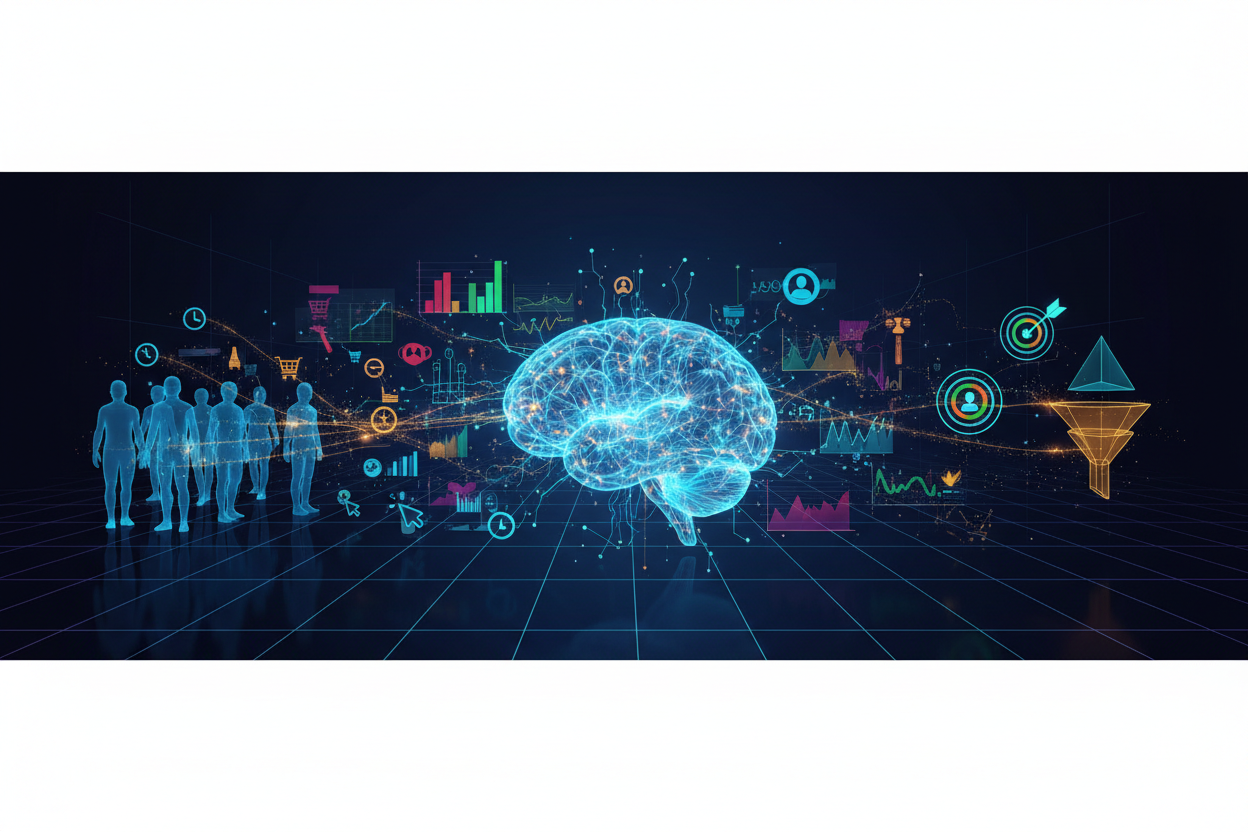
What makes programmatic advertising particularly powerful is its ability to process vast amounts of data in real-time. Every click, scroll, purchase, and interaction feeds into complex algorithms that continuously refine targeting strategies. This creates a feedback loop that becomes more effective over time, making each advertising dollar work harder than ever before.
Artificial Intelligence and Machine Learning Integration
The future of programmatic advertising is inextricably linked with advances in artificial intelligence and machine learning. These technologies are transforming how campaigns are planned, executed, and optimized, creating opportunities for unprecedented levels of personalization and efficiency.
Machine learning algorithms can now predict user behavior with remarkable accuracy, identifying patterns that human analysts might miss entirely. They can determine which creative elements resonate most with specific audience segments, predict the optimal times to display ads, and even forecast which users are most likely to convert before they’ve shown any obvious buying signals.
Natural language processing is enabling advertisers to understand sentiment and context in ways that were previously impossible. This means ads can be dynamically adjusted based not just on what users are doing, but on how they’re feeling and what they’re discussing on social media and other platforms.
The integration of AI is also making programmatic advertising more accessible to smaller businesses. Sophisticated optimization strategies that once required teams of data scientists can now be deployed automatically, leveling the playing field between large corporations and nimble startups.
Privacy-First Advertising Solutions
As privacy concerns reshape the digital landscape, the future of programmatic advertising must navigate an increasingly complex regulatory environment. The death of third-party cookies, implementation of GDPR, and growing consumer awareness about data privacy are forcing the industry to innovate rapidly.
First-party data is becoming the gold standard for programmatic advertising. Companies that can collect, organize, and activate their own customer data will have significant advantages in this new privacy-first world. This shift is encouraging brands to build deeper, more meaningful relationships with their customers, creating value exchanges that benefit both parties.
Contextual advertising is experiencing a renaissance as advertisers seek alternatives to behavior-based targeting. Advanced natural language processing and computer vision technologies are making it possible to understand content context with unprecedented accuracy, allowing for relevant ad placement without relying on personal data.
Privacy-preserving technologies like differential privacy and federated learning are emerging as solutions that protect individual privacy while still enabling effective advertising. These approaches allow advertisers to gain insights from aggregated data patterns without accessing personal information about specific users.
Cross-Platform and Omnichannel Strategies
The future of programmatic advertising extends far beyond traditional display ads on websites. As consumers interact with brands across multiple devices and platforms throughout their daily lives, advertisers need cohesive strategies that deliver consistent experiences across all touchpoints.
Connected TV and streaming platforms represent massive growth opportunities for programmatic advertising. As cord-cutting accelerates and streaming services proliferate, advertisers are following audiences to these new platforms, bringing the precision and efficiency of programmatic buying to television advertising.
Voice advertising is emerging as the next frontier, with smart speakers and voice assistants creating new opportunities for audio-based programmatic campaigns. The challenge lies in creating engaging audio experiences that feel natural and valuable rather than intrusive.
Mobile advertising continues to evolve, with location-based targeting becoming more sophisticated and app-based advertising offering new creative formats. The integration of augmented reality and interactive elements is creating immersive ad experiences that blur the line between advertising and entertainment.
Retail media networks are transforming how brands reach consumers at the point of purchase. E-commerce platforms are becoming advertising channels in their own right, offering programmatic solutions that connect product discovery with purchase intent in powerful ways.
Real-Time Optimization and Performance Enhancement
The speed at which programmatic advertising operates continues to accelerate, with real-time optimization becoming more sophisticated and responsive. Future systems will be able to adjust campaigns not just based on performance data, but on external factors like weather, news events, stock market fluctuations, and social media trends.
Predictive analytics are enabling advertisers to anticipate market changes and adjust their strategies proactively rather than reactively. This forward-looking approach can help brands stay ahead of competitors and capitalize on emerging opportunities before they become obvious to everyone else.
Dynamic creative optimization is reaching new levels of sophistication, with AI systems capable of generating and testing thousands of ad variations simultaneously. These systems can identify winning combinations of images, headlines, calls-to-action, and other elements with remarkable speed and precision.
Attribution modeling is becoming more accurate and comprehensive, helping advertisers understand the true impact of their programmatic campaigns across the entire customer journey. This enhanced understanding enables better budget allocation and more effective campaign optimization.
Emerging Technologies Shaping the Future
Several cutting-edge technologies are poised to revolutionize programmatic advertising in the coming years. Blockchain technology promises to bring greater transparency and trust to digital advertising by creating immutable records of ad transactions and reducing fraud.
5G networks will enable new forms of rich media advertising with faster loading times and more interactive experiences. This enhanced connectivity will support augmented reality ads, high-quality video content, and real-time personalization at unprecedented scales.
Internet of Things devices are creating new advertising touchpoints and data sources. Smart home devices, connected cars, and wearable technology are generating valuable insights about consumer behavior while offering new platforms for targeted advertising.
Quantum computing, while still in its early stages, could eventually revolutionize the complex calculations required for real-time bidding and optimization, enabling even more sophisticated targeting and personalization strategies.
Challenges and Opportunities Ahead
Despite its tremendous potential, the future of programmatic advertising faces several significant challenges. Ad fraud remains a persistent problem, with bad actors constantly developing new ways to exploit automated systems. The industry must continue investing in detection and prevention technologies to maintain advertiser confidence.
Brand safety concerns are becoming more complex as content proliferates across diverse platforms. Advertisers need sophisticated tools to ensure their ads appear in appropriate contexts while avoiding overly restrictive approaches that limit reach and effectiveness.
The skills gap in programmatic advertising is widening as technology advances faster than educational programs can keep pace. Companies must invest in training and development to ensure their teams can effectively leverage these powerful tools.
However, these challenges also represent opportunities for innovation and differentiation. Companies that can solve these problems will gain competitive advantages and drive the industry forward.
Conclusion
The future of programmatic advertising in internet marketing is incredibly bright, filled with opportunities for innovation, efficiency, and meaningful consumer connections. As artificial intelligence becomes more sophisticated, privacy solutions mature, and new platforms emerge, advertisers will have unprecedented tools for reaching and engaging their target audiences.
Success in this evolving landscape will require adaptability, continuous learning, and a commitment to balancing technological capabilities with human insights and ethical considerations. The brands that embrace these changes while maintaining focus on delivering genuine value to consumers will be the ones that thrive in the programmatic advertising future.
The transformation is already underway, and the pace of change will only accelerate. By understanding these trends and preparing for the challenges ahead, marketers can position themselves to harness the full potential of programmatic advertising and drive exceptional results for their businesses. The future belongs to those who are ready to embrace it.
Free Traffic Sources
Get Access To 15 Of The HOTTEST Free Traffic Sources On The Planet!