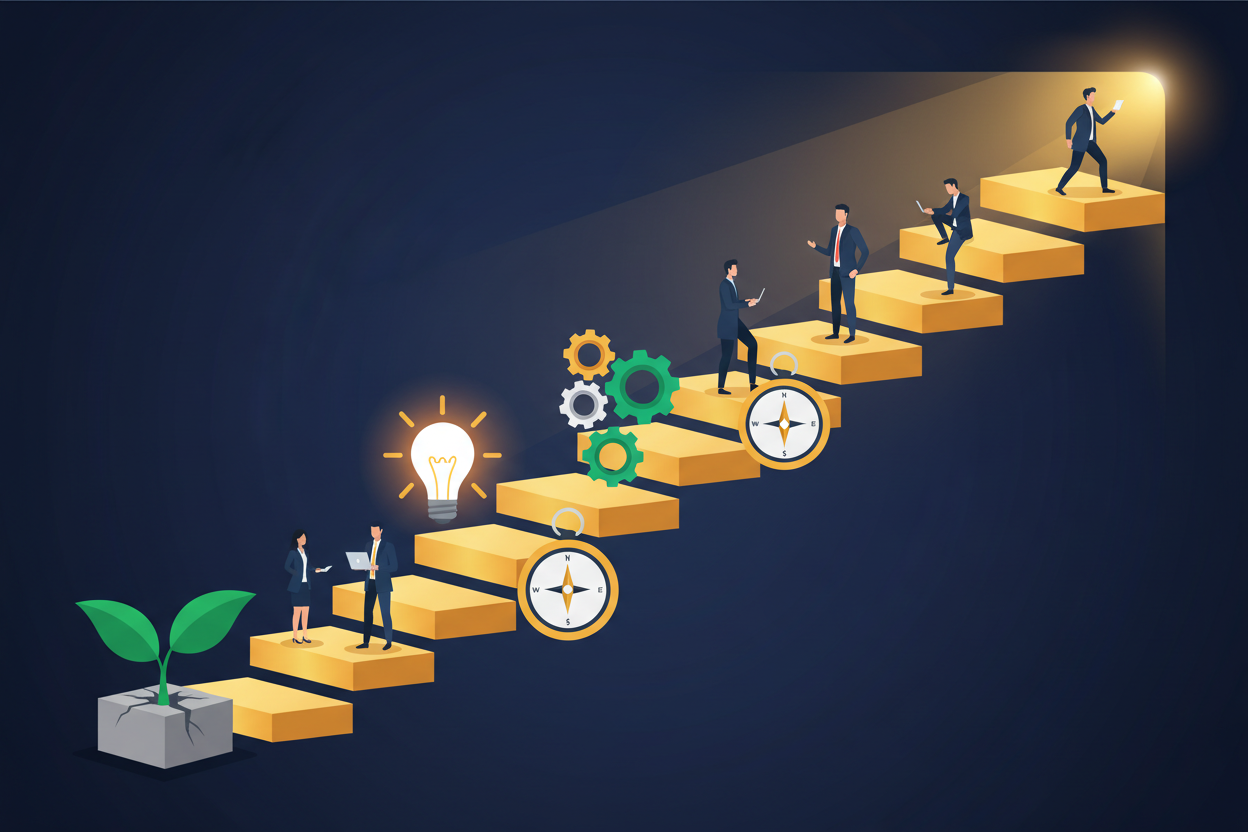
Inspiring Motivation: Lessons from Top Entrepreneurs Who Changed the World
What separates ordinary people from extraordinary entrepreneurs? Is it luck, timing, or something deeper? After studying the journeys of the world’s most successful business leaders, I’ve discovered that motivation isn’t just about feeling inspired—it’s about cultivating specific mindsets and habits that fuel long-term success. Today, we’ll explore the powerful lessons from entrepreneurs who didn’t just build companies; they transformed entire industries and changed how we live.
These aren’t fairy tales of overnight success. They’re real stories of people who faced rejection, failure, and seemingly impossible odds. Yet they persisted, adapted, and ultimately triumphed. Their experiences offer us a roadmap for finding and maintaining the motivation we need to pursue our own ambitious goals.

The Power of Purpose-Driven Motivation
Sara Blakely didn’t set out to become a billionaire when she cut the feet off her pantyhose. She simply wanted to solve a problem that frustrated her every day. This purpose-driven approach to entrepreneurship became the foundation of Spanx, revolutionizing an entire industry. Blakely’s story teaches us that the most sustainable motivation comes from a genuine desire to improve people’s lives, not just make money.
When your motivation is rooted in purpose, setbacks become stepping stones rather than roadblocks. Blakely faced countless rejections from manufacturers and retailers, but her unwavering belief in her mission kept her moving forward. She often says that every “no” brought her closer to the eventual “yes” that changed everything.

This principle extends beyond product development. Purpose-driven entrepreneurs like Blake Mycoskie of TOMS Shoes built their entire business models around making a positive impact. For every pair of shoes sold, TOMS donates a pair to someone in need. This clear mission didn’t just motivate Mycoskie and his team—it resonated with customers who wanted their purchases to matter.
Embracing Failure as Your Greatest Teacher
James Dyson created 5,126 failed prototypes before perfecting his revolutionary vacuum cleaner design. Most people would have given up after the first hundred failures, but Dyson understood something crucial: failure isn’t the opposite of success—it’s a prerequisite for it. His persistence through seemingly endless setbacks demonstrates how top entrepreneurs reframe failure as valuable feedback rather than defeat.
What made Dyson’s approach different was his systematic learning from each failure. He didn’t just try again; he analyzed what went wrong, adjusted his approach, and applied those lessons to the next iteration. This methodical approach to failure turned each setback into progress toward his ultimate goal.
Oprah Winfrey’s early career was marked by numerous rejections and setbacks. She was fired from her first television job for being “too emotionally invested” in her stories. Instead of seeing this as a weakness, she recognized it as her unique strength and built an entire media empire around authentic, emotional connection with her audience. Her ability to transform perceived weaknesses into competitive advantages shows how failure can reveal our greatest opportunities.
The Discipline Behind Seemingly Effortless Success
When we see successful entrepreneurs like Tim Cook or Satya Nadella leading their companies to new heights, it’s easy to assume they possess some natural talent the rest of us lack. The truth is far more encouraging: their success stems from disciplined daily habits and unwavering commitment to continuous improvement.
Jeff Bezos famously starts every day by reading customer emails, even as Amazon has grown into one of the world’s largest companies. This habit keeps him connected to the core purpose of his business and provides daily motivation to improve the customer experience. It’s not glamorous work, but it’s this type of consistent discipline that separates successful entrepreneurs from dreamers.
Arianna Huffington learned this lesson the hard way when she collapsed from exhaustion while building The Huffington Post. Her experience taught her that sustainable success requires not just hard work, but smart work that includes proper rest and self-care. She now advocates for what she calls “the third metric of success”—well-being alongside money and power.
The most motivated entrepreneurs understand that discipline isn’t about pushing yourself to the breaking point. It’s about creating sustainable systems and routines that support long-term success. They prioritize their health, relationships, and personal growth because they recognize these as fuel for their professional achievements.
Learning to Pivot Without Losing Momentum
Twitter began as a podcasting platform called Odeo. Instagram started as a location-based check-in app called Burbn. These dramatic pivots weren’t signs of failure—they were examples of entrepreneurs staying true to their core mission while adapting their methods to changing circumstances.
The ability to pivot requires a special type of motivated thinking. It means being attached to your vision but flexible about your path. Jack Dorsey and his team recognized that while Odeo wasn’t gaining traction, they had discovered something powerful in the simple status update feature. Rather than stubbornly persisting with their original plan, they had the courage to pursue this new direction.
Kevin Systrom’s journey with Instagram demonstrates how pivoting can actually accelerate success. When Burbn proved too complicated for users, Systrom stripped away everything except photo-sharing and filters. This laser focus on what users actually wanted transformed a struggling app into a billion-dollar acquisition by Facebook in just two years.
The key to successful pivoting is maintaining what entrepreneurs call “strong opinions, weakly held.” Be passionate about your mission but remain open to new information that might change your approach. This mindset allows you to adapt quickly without losing the motivation that drives you forward.
Building Resilience Through Community and Mentorship
No entrepreneur succeeds alone, despite what popular mythology might suggest. The most motivated business leaders understand the power of surrounding themselves with people who challenge, support, and inspire them. This network becomes crucial during the inevitable difficult periods that every entrepreneurial journey includes.
Reid Hoffman, founder of LinkedIn, attributes much of his success to the relationships he built throughout his career. He didn’t just network for business opportunities; he cultivated genuine relationships with other entrepreneurs, investors, and mentors who could provide guidance during challenging times. These connections became a source of motivation when his own reserves ran low.
Melinda French Gates speaks often about the importance of having mentors who believe in your potential even when you don’t see it yourself. During her time at Microsoft and later with the Gates Foundation, she sought out advisors who could provide both practical guidance and emotional support. This external perspective helped her maintain motivation during periods of self-doubt.
Building a supportive community isn’t just about finding people who agree with you. The best entrepreneurial networks include diverse perspectives that challenge your assumptions and push you to think differently. These relationships provide accountability, fresh ideas, and the emotional resilience needed to persist through difficult periods.
Maintaining Long-term Vision While Celebrating Small Wins
Elon Musk’s ambitious goals for Tesla, SpaceX, and his other ventures might seem impossibly large, but his approach to maintaining motivation is surprisingly practical. He breaks down massive objectives into smaller, achievable milestones and celebrates progress along the way. This strategy prevents the overwhelming feeling that can come from focusing only on distant, enormous goals.
The journey to revolutionize electric vehicles didn’t happen overnight. Tesla faced production challenges, financial difficulties, and skepticism from industry experts. Musk maintained motivation by celebrating each milestone: the first Roadster delivery, reaching production targets, achieving profitability quarters, and expanding into new markets. Each success provided fuel for the next challenge.
This approach works because it provides regular doses of positive reinforcement while maintaining focus on the bigger picture. When you’re working toward goals that might take years to achieve, these smaller celebrations become crucial for sustaining motivation over the long term.
The most successful entrepreneurs also understand the importance of sharing these wins with their teams. Recognition and celebration create a positive culture that attracts talented people and keeps everyone motivated during challenging periods. It’s not about the size of the celebration—it’s about acknowledging progress and maintaining momentum.
Your Entrepreneurial Journey Starts Today
The entrepreneurs we’ve explored didn’t possess superhuman abilities or unlimited resources when they started. What they had was a clear sense of purpose, the willingness to learn from failure, the discipline to maintain consistent habits, the flexibility to adapt their approach, the wisdom to build supportive relationships, and the strategic thinking to balance long-term vision with short-term progress.
These aren’t just business lessons—they’re life principles that can transform how you approach any ambitious goal. Whether you’re building a startup, advancing in your career, or pursuing a personal passion project, the motivation strategies used by successful entrepreneurs can accelerate your progress and increase your chances of success.
The most important lesson from these entrepreneurial stories is that motivation isn’t a feeling you wait for—it’s a skill you develop. Start by identifying your purpose, embrace the learning opportunities in your setbacks, build supportive relationships, and celebrate your progress along the way. Your entrepreneurial journey, whatever form it takes, begins with the decision to apply these principles starting today.
Remember, every successful entrepreneur started exactly where you are now: with an idea, some uncertainty, and the choice to take the first step. The difference between those who succeed and those who don’t isn’t talent or luck—it’s the decision to stay motivated through the inevitable challenges and continue moving forward, one day at a time.
Free Traffic Sources
Get Access To 15 Of The HOTTEST Free Traffic Sources On The Planet!