
Email Marketing: Understanding Open Rates and Engagement
Picture this: you’ve crafted what you believe is the perfect email campaign, hit send to your entire subscriber list, and then… crickets. Your open rates are disappointing, and engagement feels non-existent. If this scenario sounds familiar, you’re not alone. Email marketing remains one of the most powerful digital marketing channels, but understanding the nuances of open rates and engagement can make the difference between a campaign that soars and one that falls flat.
In today’s crowded digital landscape, where the average person receives over 120 emails daily, breaking through the noise requires more than just hitting the send button. It demands a deep understanding of what drives people to open your emails and, more importantly, what compels them to take action once they do.

What Are Email Open Rates and Why Do They Matter?
Email open rates represent the percentage of recipients who open your email out of the total number of emails delivered. It’s calculated by dividing the number of unique opens by the number of emails delivered, then multiplying by 100. While this might sound straightforward, the reality is far more complex.
Open rates serve as your first indicator of campaign performance. They tell you whether your subject lines are compelling enough to cut through inbox clutter and whether your sender reputation is strong enough to avoid spam folders. However, it’s crucial to understand that open rates are just the beginning of your email marketing story, not the end.
The significance of open rates extends beyond mere vanity metrics. They directly impact your sender reputation with email service providers. Consistently low open rates can signal to Gmail, Outlook, and other providers that your emails aren’t valuable to recipients, potentially leading to future emails being filtered into spam folders.
Industry Benchmarks: Setting Realistic Expectations
Before diving into optimization strategies, it’s essential to understand what constitutes a good open rate. Industry benchmarks vary significantly across sectors, and what’s considered excellent in one industry might be average in another.
Generally speaking, the average email open rate across all industries hovers around 20-25%. However, this number tells only part of the story. Non-profit organizations often see higher open rates, sometimes reaching 25-30%, while retail and e-commerce typically see rates between 15-20%. B2B companies usually fall somewhere in the middle, with rates around 20-25%.
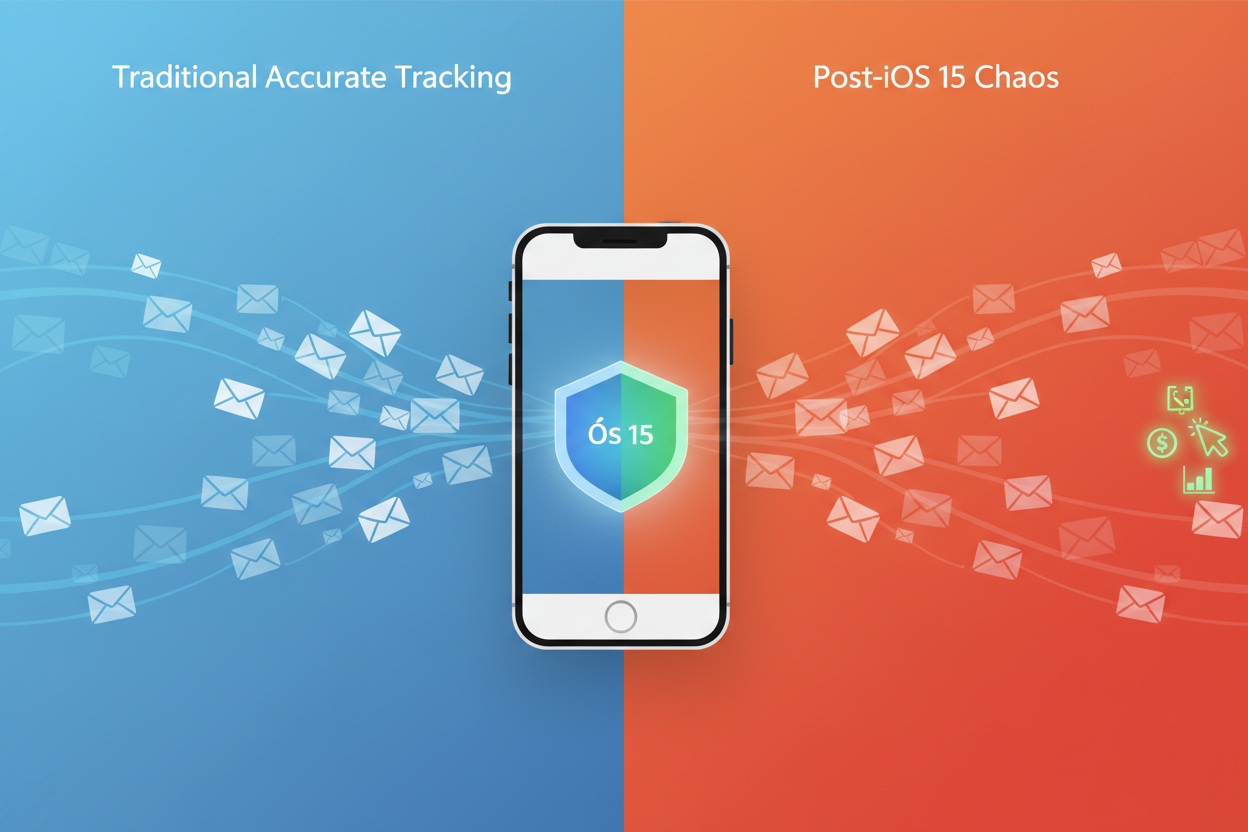
It’s worth noting that these benchmarks have been shifting in recent years. Apple’s iOS 15 privacy updates, implemented in 2021, significantly impacted open rate tracking accuracy. The update automatically loads email content for many users, creating “phantom opens” that inflate reported open rates. This change has forced marketers to reconsider how they measure email success and place greater emphasis on engagement metrics beyond opens.
The Art and Science of Subject Lines
Your subject line is your email’s first impression, and often its last chance to capture attention. Crafting compelling subject lines requires balancing creativity with clarity, urgency with authenticity.
Effective subject lines share several characteristics. They’re typically concise, ideally under 50 characters to ensure full visibility on mobile devices. They create curiosity without being misleading, and they speak directly to the recipient’s interests or pain points. Personalization can significantly boost open rates, but it goes beyond simply inserting a first name.
Consider the difference between “John, check out our latest products” and “John, the productivity hack that saved me 2 hours daily.” The latter creates intrigue while promising specific value. It makes the recipient wonder what this hack might be and how it could benefit them.
A/B testing subject lines should be a standard practice in your email marketing strategy. Test different approaches: questions versus statements, urgency versus curiosity, short versus slightly longer lines. What resonates with your audience might surprise you.
Beyond Opens: Understanding True Engagement
While open rates grab attention, true engagement tells the real story of your email marketing success. Engagement encompasses click-through rates, time spent reading, replies, forwards, and ultimately, conversions.
Click-through rates measure the percentage of recipients who clicked on one or more links in your email. This metric indicates whether your content resonated enough to inspire action. A good click-through rate typically ranges from 2-5%, though this varies by industry and email type.
Time spent reading your email, while harder to measure precisely, provides insights into content quality. Email clients are increasingly sophisticated in tracking how long recipients engage with your content. This data influences future deliverability and can inform content optimization strategies.
Reply rates, though often overlooked, represent the highest form of email engagement. When someone takes time to respond to your email, it signals genuine interest and connection. Encouraging replies through questions or calls for feedback can boost overall engagement metrics.
Factors That Influence Email Open Rates
Several factors beyond subject lines influence whether recipients open your emails. Sender name recognition plays a crucial role. People are more likely to open emails from senders they recognize and trust. This is why maintaining consistent sender information and building your brand recognition is vital.
Send timing significantly impacts open rates. While there’s no universal “best time” to send emails, understanding your audience’s behavior patterns can provide valuable insights. B2B emails often perform better during weekday business hours, while B2C emails might see higher engagement during evenings or weekends.
Your email’s preview text, the snippet that appears alongside the subject line in most email clients, offers additional real estate to entice opens. This often-overlooked element should complement your subject line, not repeat it, providing additional context or creating further intrigue.
List hygiene also impacts open rates significantly. Regularly cleaning your email list by removing inactive subscribers might temporarily reduce your list size but will improve your overall engagement metrics and sender reputation.
Mobile Optimization: A Non-Negotiable Necessity
With over 60% of emails opened on mobile devices, mobile optimization isn’t optional—it’s essential. Mobile users have different behaviors and expectations compared to desktop users. They’re often scanning emails quickly, making split-second decisions about what deserves their attention.
Mobile-optimized emails require responsive design that adapts to various screen sizes. Your subject lines need to be even more concise for mobile, as fewer characters are visible. Your email content should be scannable, with clear hierarchy and prominent call-to-action buttons that are easy to tap with a finger.
Loading speed becomes critical on mobile devices. Heavy images or complex designs that load slowly will likely result in immediate deletions. Simple, clean designs often outperform elaborate ones in mobile environments.
Segmentation: The Key to Relevant Communication
One-size-fits-all email marketing is increasingly ineffective. Modern consumers expect personalized, relevant content that speaks to their specific interests and needs. This is where email segmentation becomes powerful.
Effective segmentation goes beyond basic demographics. Consider segmenting based on purchase history, engagement levels, website behavior, or lifecycle stage. A customer who just made their first purchase has different needs than a longtime loyal customer.
Behavioral segmentation can be particularly effective. Subscribers who consistently open your emails but rarely click might benefit from different content than those who click frequently. Understanding these patterns allows you to tailor your approach for maximum impact.
Geographic segmentation shouldn’t be overlooked, especially for businesses with physical locations or those sensitive to time zones. Sending emails at appropriate local times can significantly improve open rates.
Measuring Success: Key Metrics Beyond Open Rates
While open rates provide valuable insights, a comprehensive email marketing strategy requires monitoring multiple metrics. Click-to-open rate, which measures clicks as a percentage of opens rather than total sends, provides insights into content effectiveness among engaged subscribers.
Conversion rate is ultimately what matters most for business results. Whether your goal is sales, sign-ups, downloads, or other actions, tracking how many email recipients complete your desired action provides the clearest picture of campaign success.
List growth rate indicates the health of your email marketing program. If you’re consistently losing more subscribers than you’re gaining, it’s time to examine your content strategy and acquisition methods.
Revenue per email, for e-commerce businesses, directly ties email marketing to business outcomes. This metric helps justify email marketing investments and guide budget allocation decisions.
Common Pitfalls and How to Avoid Them
Many email marketers fall into predictable traps that harm their open rates and engagement. Over-sending is perhaps the most common mistake. Bombarding subscribers with daily emails might seem like a way to stay top-of-mind, but it often leads to unsubscribes and decreased engagement.
Neglecting list hygiene is another frequent error. Continuing to send emails to inactive subscribers hurts your sender reputation and skews your metrics. Regular list cleaning, while potentially reducing your subscriber count, will improve your overall performance.
Ignoring mobile users is increasingly costly. Emails that don’t display properly on mobile devices will likely be deleted immediately, regardless of content quality.
Finally, focusing solely on acquisition while ignoring retention is a mistake many businesses make. It’s often more cost-effective to engage existing subscribers than to constantly acquire new ones.
Building Long-Term Email Marketing Success
Successful email marketing isn’t about quick wins or viral campaigns. It’s about building lasting relationships with your subscribers through consistent value delivery. This means understanding your audience deeply, respecting their time and inbox space, and continuously improving your approach based on data and feedback.
Regular testing should be embedded in your email marketing process. Test different send times, subject line approaches, content formats, and call-to-action placements. Small improvements compound over time, leading to significantly better results.
Stay informed about industry changes and platform updates that might affect your campaigns. Email marketing is constantly evolving, with new privacy regulations, client updates, and best practices emerging regularly.
Remember that email marketing success is ultimately about building trust and providing value. When subscribers genuinely look forward to your emails because they know they’ll find something useful, interesting, or entertaining, your open rates and engagement will naturally improve.
Understanding email open rates and engagement is both an art and a science. While the technical aspects—deliverability, timing, and optimization—are crucial, the human elements—relevance, value, and connection—are what transform good email campaigns into great ones. By focusing on both the metrics and the people behind them, you’ll build an email marketing program that not only achieves strong open rates but also drives meaningful business results and lasting customer relationships.
Free Traffic Sources
Get Access To 15 Of The HOTTEST Free Traffic Sources On The Planet!