
Home Business: Managing Finances Effectively for Long-Term Success
Running a home business can be one of the most rewarding experiences of your entrepreneurial journey, but it comes with unique financial challenges that traditional office-based businesses don’t face. When your kitchen table doubles as your boardroom and your bedroom corner serves as your filing cabinet, keeping your personal and business finances separate becomes both crucial and surprisingly difficult.
I’ve learned this lesson the hard way after watching countless home-based entrepreneurs struggle with financial management, often leading to stress, tax complications, and missed growth opportunities. The good news? With the right strategies and mindset, managing your home business finances can become second nature, setting you up for sustainable success and peace of mind.
Whether you’re just starting your home business or looking to improve your existing financial management practices, this comprehensive guide will walk you through the essential steps to take control of your money, maximize your profits, and build a solid foundation for future growth.
Separating Personal and Business Finances
The biggest mistake I see new home business owners make is mixing their personal and business expenses. It might seem convenient to use your personal checking account for that office supply purchase or to pay for your morning coffee with your business credit card, but this approach creates a financial nightmare that becomes harder to untangle as your business grows.
Opening dedicated business banking accounts should be your first priority. Start with a business checking account and a business savings account. Even if you’re operating as a sole proprietorship, most banks offer business accounts that provide better record-keeping tools and often come with features specifically designed for business owners.
Consider getting a business credit card as well. This isn’t just about building business credit – though that’s important too – it’s about creating clear boundaries between your personal spending and business expenses. When tax season rolls around, you’ll thank yourself for this separation. Your accountant will definitely thank you too.
The psychological benefit of this separation shouldn’t be underestimated either. When you have distinct business accounts, you start thinking like a business owner rather than someone with a side hobby. This mental shift often leads to more strategic financial decisions and better long-term planning.
Creating and Maintaining a Business Budget
Budgeting for a home business requires a different approach than personal budgeting. Your income might be irregular, especially in the early stages, and your expenses can vary dramatically from month to month. The key is creating a flexible budget that accounts for these fluctuations while keeping you on track toward your financial goals.
Start by listing all your fixed business expenses. These might include your business phone line, internet service, software subscriptions, and any regular marketing expenses. Don’t forget to include a portion of your home expenses that you use for business purposes – we’ll dive deeper into this in the home office deduction section.
Next, estimate your variable expenses. These could include inventory, shipping costs, professional development, or project-specific tools and materials. Look at your spending patterns over the past few months to get a realistic picture of these costs.
For income projections, be conservative, especially if you’re new to entrepreneurship. It’s better to underestimate your income and be pleasantly surprised than to overestimate and find yourself in a cash flow crunch. Consider seasonal fluctuations in your industry and factor in time for client payments if you’re in a service-based business.
Review and adjust your budget monthly. Your first budget won’t be perfect, and that’s okay. The goal is to create a framework that helps you make informed financial decisions and spot potential problems before they become serious issues.
Essential Record-Keeping Practices
Good record-keeping is the backbone of effective financial management, yet it’s often the area where home business owners struggle most. The challenge isn’t just keeping records – it’s developing a system that’s both thorough and sustainable for the long term.
Start with a simple filing system, whether digital or physical. Create folders for different types of expenses: office supplies, marketing, professional development, equipment, and so on. The key is consistency. Whatever system you choose, stick with it religiously.
Save every receipt, even the small ones. That $3 coffee during a client meeting or the $15 parking fee for a networking event might seem insignificant, but these small expenses add up over time and are legitimate business deductions. Take photos of receipts immediately if you’re prone to losing paper receipts – there are several smartphone apps designed specifically for this purpose.
Consider investing in accounting software early on. While you might be tempted to manage everything in spreadsheets initially, dedicated accounting software like QuickBooks, FreshBooks, or Wave can save you countless hours and reduce errors. Many of these platforms integrate with your bank accounts and credit cards, automatically categorizing expenses and making reconciliation much easier.
Don’t forget about invoicing and payment tracking if you provide services. Keep detailed records of what you’ve billed, when payments are due, and which clients tend to pay late. This information becomes invaluable for cash flow planning and client management decisions.
Understanding Tax Implications and Deductions
Home business owners have access to numerous tax deductions that can significantly reduce their tax burden, but taking advantage of these benefits requires careful documentation and understanding of the rules. The most significant advantage is often the home office deduction, but it’s also the most misunderstood.
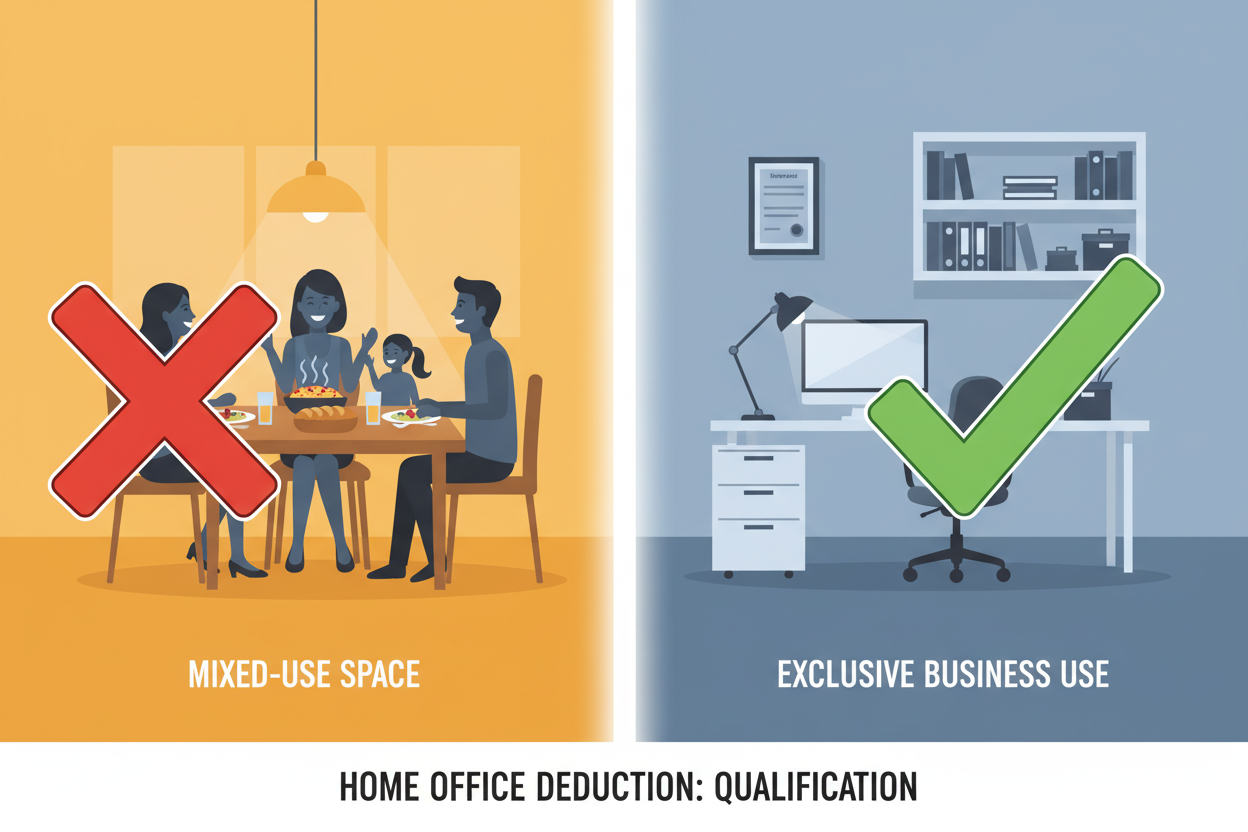
To qualify for the home office deduction, you must use part of your home regularly and exclusively for business purposes. The keyword here is “exclusively” – if your dining room table serves as your desk during the day but hosts family dinners in the evening, it doesn’t qualify. However, if you have a dedicated room or even a specific area of a room used only for business, you can deduct expenses related to that space.
You can calculate the home office deduction using either the simplified method or the actual expense method. The simplified method allows you to deduct $5 per square foot of your home office, up to 300 square feet. The actual expense method requires more detailed record-keeping but might result in larger deductions if your home office expenses are substantial.
Other common business deductions include equipment and supplies, professional development and training, business meals (typically 50% deductible), travel expenses, and marketing costs. Keep detailed records of these expenses throughout the year, including the business purpose for each expense.
Consider working with a tax professional, especially in your first year of business. The cost of professional tax preparation often pays for itself through identified deductions and avoided mistakes. A good tax advisor can also help you plan for quarterly estimated tax payments, which are typically required for profitable home businesses.
Managing Cash Flow in a Home Business
Cash flow management is often more challenging for home businesses than traditional businesses because income can be unpredictable and expenses might be lumpy. You might have a great month followed by a slow period, or you might need to make a large equipment purchase that strains your resources.
Start by creating a cash flow forecast that projects your income and expenses over the next 3-6 months. This doesn’t need to be perfect, but it should give you a realistic picture of potential cash crunches so you can plan accordingly. Update this forecast regularly as your business evolves and you get better at predicting patterns.
Build an emergency fund specifically for your business. This should be separate from your personal emergency fund and should cover 3-6 months of business expenses. Yes, this might take time to build, especially when you’re starting out, but even setting aside a small amount each month will eventually create a buffer that provides peace of mind and financial stability.
Consider establishing a business line of credit before you need it. Banks are more likely to approve credit applications when your business is doing well rather than when you’re facing financial difficulties. A line of credit can help smooth out cash flow fluctuations and provide funds for unexpected opportunities or expenses.
If you provide services, implement strategies to improve your cash flow timing. This might include requiring deposits for large projects, offering small discounts for early payment, or factoring payment terms into your pricing. Remember, a sale isn’t complete until you’ve collected the money.
Planning for Growth and Investment
Successful home businesses eventually face growth decisions that require financial planning and investment. This might mean upgrading equipment, hiring help, expanding your service offerings, or even moving to a dedicated office space. Planning for these decisions requires both financial preparation and strategic thinking.
Set aside a percentage of your profits for reinvestment in your business. This might be 10-20% depending on your industry and growth goals. This reinvestment fund can be used for equipment upgrades, marketing initiatives, professional development, or other growth-oriented expenses.
When considering major investments, create a simple return on investment (ROI) calculation. Will that new piece of equipment pay for itself within a reasonable timeframe? Will hiring an assistant free up enough of your time to take on higher-value work? These calculations don’t need to be complex, but they should be realistic and based on actual data from your business.
Don’t forget to plan for the tax implications of growth. Higher profits mean higher taxes, and major equipment purchases might affect your deductions and depreciation schedules. Consider timing major purchases strategically to optimize your tax situation.
Conclusion
Managing finances effectively in a home business isn’t just about keeping good records and paying your taxes on time – though those are certainly important. It’s about creating systems and habits that support your long-term success while giving you the financial clarity and confidence to make strategic decisions about your business’s future.
The strategies outlined in this guide might seem overwhelming if you’re just starting out, but remember that you don’t need to implement everything at once. Start with the basics: separate business accounts, simple record-keeping, and a basic budget. As your business grows and becomes more complex, you can add more sophisticated financial management practices.
The investment in proper financial management pays dividends far beyond tax savings and compliance. When you have a clear picture of your financial situation, you can make decisions based on data rather than gut feelings. You can spot opportunities for growth, identify areas where you’re overspending, and plan for the future with confidence.
Most importantly, good financial management reduces stress and allows you to focus on what you do best – running and growing your business. When your finances are organized and under control, you can spend your energy on serving customers, developing new products or services, and building the business of your dreams.
Remember, every successful business owner started where you are now. The difference between those who succeed and those who struggle often comes down to the financial habits and systems they develop early in their entrepreneurial journey. Start building these habits today, and your future self will thank you for the solid foundation you’ve created.
Free Traffic Sources
Get Access To 15 Of The HOTTEST Free Traffic Sources On The Planet!