
SMS Marketing: Integrating with Other Marketing Channels for Maximum Impact
In today’s fast-paced digital landscape, businesses are constantly searching for ways to cut through the noise and reach their customers effectively. While email marketing and social media campaigns dominate many marketing strategies, there’s one channel that consistently delivers impressive results: SMS marketing. With open rates exceeding 90% and response rates that make other channels envious, text messaging has proven its worth time and again.
However, the real magic happens when SMS marketing doesn’t operate in isolation. The most successful brands understand that integrating SMS with other marketing channels creates a synergistic effect that amplifies their overall marketing performance. Think of it as conducting an orchestra – each instrument is powerful on its own, but together they create something truly spectacular.
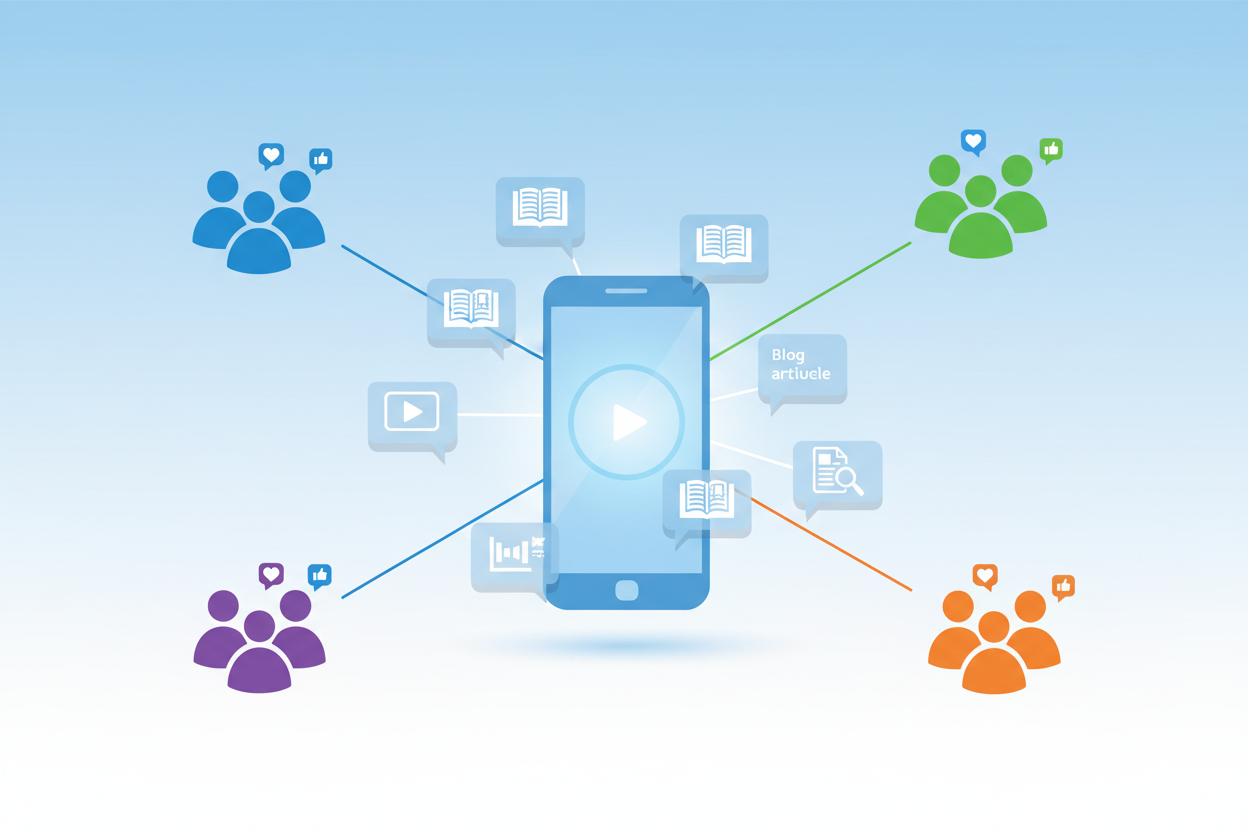
This comprehensive guide will walk you through the art and science of SMS marketing integration, showing you how to weave text messaging seamlessly into your existing marketing ecosystem for maximum impact and ROI.
Understanding SMS Marketing Integration
SMS marketing integration goes beyond simply adding text messages to your marketing mix. It’s about creating a cohesive, omnichannel experience where each touchpoint reinforces and enhances the others. When done correctly, your customers receive consistent messaging across all platforms while experiencing the unique benefits that each channel offers.
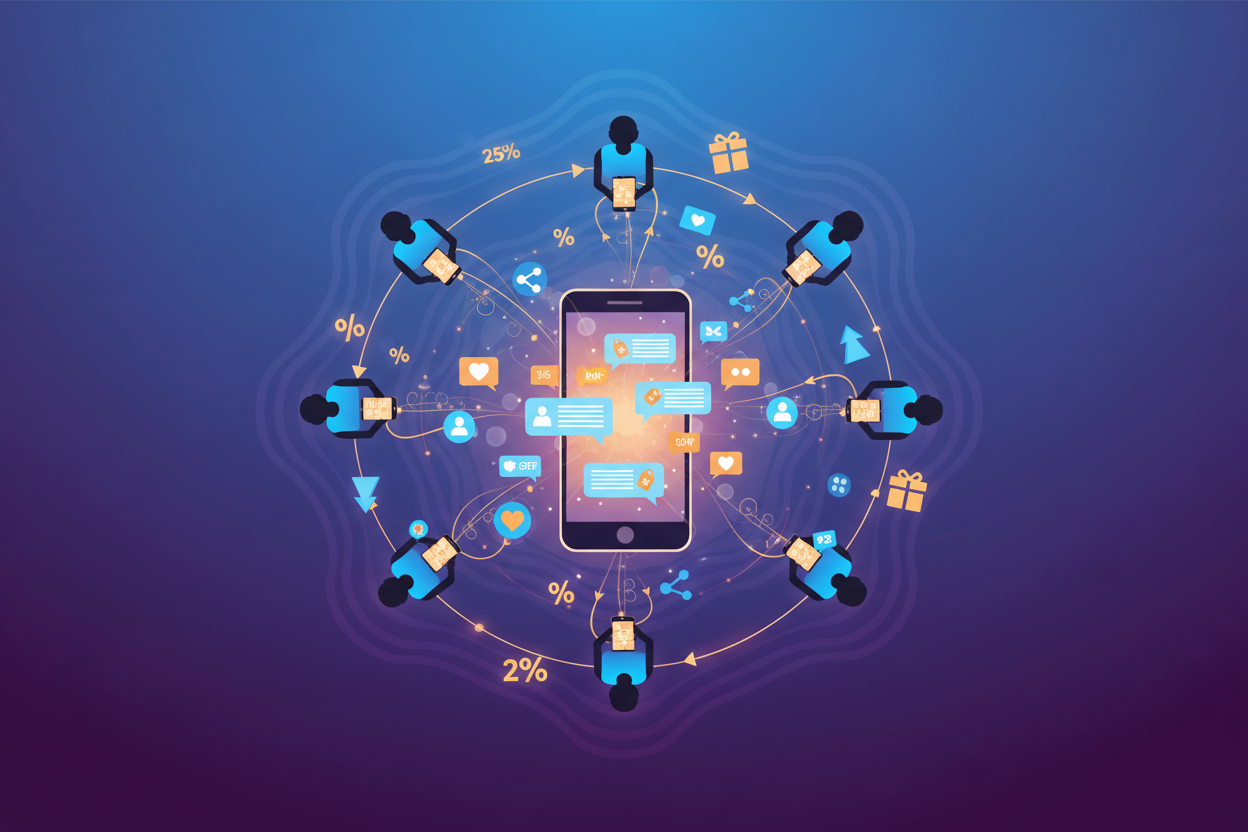
The beauty of SMS lies in its immediacy and personal nature. Unlike emails that might sit unread in an inbox for days, text messages are typically read within minutes of delivery. This makes SMS an excellent channel for time-sensitive communications, urgent updates, and driving immediate action. When integrated with other channels, SMS can serve as the catalyst that turns engagement into conversion.
Consider how different channels serve different purposes in the customer journey. Social media builds awareness and community, email nurtures leads and provides detailed information, while SMS delivers urgent updates and drives immediate action. When these channels work together, they create multiple touchpoints that guide customers seamlessly from discovery to purchase and beyond.
SMS and Email Marketing: The Perfect Partnership
Email marketing and SMS marketing are natural partners, each compensating for the other’s limitations. While email allows for rich content, detailed storytelling, and visual elements, SMS excels at brevity, urgency, and immediate response. Together, they create a powerful one-two punch that can significantly boost your marketing effectiveness.
One effective integration strategy involves using email for detailed product announcements and following up with SMS reminders. For instance, you might send an email newsletter featuring your latest product launch, complete with high-quality images and detailed descriptions. Then, a few days later, send a brief SMS reminder about the limited-time launch discount, creating a sense of urgency that drives immediate action.
Cross-promotion between these channels also proves highly effective. Include SMS opt-in opportunities in your email campaigns, offering exclusive text-only deals to incentivize subscriptions. Conversely, use SMS to drive traffic to your email content, especially for longer-form content like guides, tutorials, or detailed product information that doesn’t fit in a text message.
Timing coordination between email and SMS campaigns requires careful consideration. Avoid overwhelming your audience by sending both messages simultaneously. Instead, create a strategic sequence where email provides the foundation and SMS delivers the urgent follow-up. This approach respects your audience’s communication preferences while maximizing the impact of both channels.
Social Media and SMS: Creating Buzz and Driving Action
Social media platforms excel at building communities, generating buzz, and fostering engagement, while SMS excels at converting that engagement into action. This complementary relationship makes social media and SMS integration particularly powerful for modern marketers.
Use social media to build excitement around upcoming campaigns, product launches, or events, then leverage SMS to deliver exclusive access or time-sensitive offers to your text subscribers. For example, you might tease a flash sale on your social media channels, building anticipation throughout the day, then send SMS alerts to your subscribers with early access or exclusive discount codes.
Social media also serves as an excellent channel for growing your SMS subscriber list. Create compelling posts that highlight the exclusive benefits of joining your text list, such as VIP access to sales, insider information, or special promotions. Use social media contests and giveaways that require SMS opt-in for entry, naturally growing your text subscriber base while increasing social engagement.
The viral nature of social media can amplify your SMS campaigns when customers share their exclusive offers or experiences. Encourage this behavior by creating shareable moments – perhaps sending SMS subscribers a special discount code with the suggestion to “share the love” on social media. This creates a cycle where SMS drives social sharing, which in turn drives more SMS subscriptions.
Combining SMS with Content Marketing Strategies
Content marketing focuses on providing value through informative, entertaining, or educational content, while SMS excels at delivering timely, actionable messages. When combined effectively, these channels create a content distribution system that ensures your valuable content reaches your audience at the optimal moment.
Use SMS to notify subscribers about new blog posts, videos, or resources that align with their interests. However, avoid simply broadcasting every piece of content you create. Instead, segment your SMS list based on subscriber preferences and behavior, sending targeted notifications about content that’s most relevant to each group. This personalized approach increases engagement while respecting your audience’s time and attention.
Consider creating SMS-exclusive content that complements your broader content marketing strategy. This might include weekly tips, behind-the-scenes updates, or quick tutorials delivered directly via text. This exclusive content adds value to your SMS subscription while encouraging continued engagement with your brand across all channels.
The immediacy of SMS makes it perfect for time-sensitive content distribution. If you publish a blog post about a trending topic or breaking industry news, SMS can help you capitalize on the moment by immediately notifying your most engaged subscribers. This speed advantage can significantly increase your content’s reach and engagement.
SMS in Multi-Channel Customer Support
Modern customers expect support across multiple channels, and SMS has emerged as a preferred option for many due to its convenience and immediacy. Integrating SMS into your customer support strategy creates additional touchpoints for assistance while providing customers with their preferred communication method.
SMS works particularly well for proactive customer support communications. Send automated texts to confirm appointments, provide order updates, or alert customers about service disruptions. These proactive messages reduce customer anxiety and decrease the volume of incoming support requests across all channels.
Create a seamless support experience by allowing customers to start conversations on one channel and continue them on another. For example, a customer might initiate support through your website chat, then receive follow-up information via SMS, and finally get detailed resolution steps through email. This omnichannel approach accommodates different customer preferences while ensuring no communication falls through the cracks.
Use SMS for urgent support communications that require immediate attention. System outages, security alerts, or critical account updates are perfect for SMS delivery due to the channel’s high open rates and immediate visibility. This ensures important information reaches customers quickly, regardless of their email checking habits or social media usage.
Measuring Success Across Integrated Campaigns
Measuring the success of integrated SMS campaigns requires looking beyond individual channel metrics to understand the holistic impact of your omnichannel approach. While traditional SMS metrics like open rates, click-through rates, and conversion rates remain important, integration success demands a broader perspective.
Track customer journey metrics that show how SMS integration affects overall campaign performance. Monitor how SMS subscribers engage with your email campaigns, social media content, and website compared to non-SMS subscribers. Often, you’ll find that customers who engage across multiple channels demonstrate higher lifetime value and stronger brand loyalty.
Attribution modeling becomes crucial when measuring integrated campaigns. Implement tracking systems that can identify how different channels contribute to conversions. A customer might discover your brand through social media, sign up for emails, receive an SMS promotion, and finally make a purchase. Understanding this journey helps you optimize the role of each channel in your integrated strategy.
Set up cohort analysis to compare the performance of customers acquired through different channel combinations. This analysis reveals which integration strategies are most effective at driving long-term value and helps you allocate resources more effectively across your marketing channels.
Best Practices for Seamless Channel Integration
Successful SMS integration requires careful planning and execution. Start by ensuring message consistency across all channels while leveraging each platform’s unique strengths. Your brand voice should remain consistent whether customers interact with you via SMS, email, or social media, but the message format and timing should be optimized for each channel’s characteristics.
Frequency management becomes critical when operating across multiple channels. Create a communication calendar that maps out all customer touchpoints to avoid overwhelming your audience. Consider implementing preference centers where customers can control the frequency and type of communications they receive across different channels.
Personalization should extend across all integrated channels, with SMS serving as a highly personalized touchpoint. Use data collected from other channels to inform your SMS messaging strategy. If a customer frequently engages with certain types of email content, use that information to send relevant SMS notifications about similar content or offers.
Test and optimize your integration strategies continuously. A/B test different sequences, timing combinations, and message coordination approaches to identify what works best for your audience. What works for one brand or industry may not work for another, so develop integration strategies based on your specific audience behavior and preferences.
Conclusion
SMS marketing integration represents the future of effective customer communication. By thoughtfully combining text messaging with email marketing, social media, content marketing, and customer support, businesses can create powerful omnichannel experiences that drive engagement, build loyalty, and increase conversions.
The key to successful integration lies in understanding each channel’s unique strengths and creating synergies that amplify your overall marketing impact. SMS’s immediacy and high engagement rates make it an excellent catalyst for driving action across your entire marketing ecosystem.
As customer expectations continue to evolve and new communication channels emerge, the brands that succeed will be those that can seamlessly integrate multiple touchpoints into cohesive, valuable experiences. Start with small integration experiments, measure their impact carefully, and gradually build more sophisticated omnichannel strategies that put your customers at the center of every communication.
Remember, the goal isn’t to be present on every channel, but to be present on the right channels with the right message at the right time. When SMS marketing is properly integrated with your other marketing efforts, it becomes more than just another communication channel – it becomes the thread that weaves your entire customer experience together.
Free Traffic Sources
Get Access To 15 Of The HOTTEST Free Traffic Sources On The Planet!