
Home Business: Scaling Up Successfully – Your Complete Guide to Growing Beyond Your Living Room
Remember when your home business was just a side hustle that barely covered your coffee expenses? Fast forward to today, and you’re probably wondering how to transform that modest venture into something bigger without losing your sanity or your kitchen table workspace. Scaling a home business successfully isn’t just about working harder – it’s about working smarter and making strategic decisions that propel your business forward while maintaining the flexibility that drew you to entrepreneurship in the first place.
The journey from a one-person operation to a thriving business empire doesn’t happen overnight, but with the right approach, it’s entirely achievable. Whether you’re selling handmade crafts, offering consulting services, or running an e-commerce store from your spare bedroom, the principles of successful scaling remain remarkably consistent across industries.
Understanding When Your Home Business Is Ready to Scale
Before diving headfirst into expansion mode, you need to recognize the telltale signs that your business is ready for growth. It’s not just about having more customers knocking down your door – though that’s certainly a good sign.
The first indicator is consistent profitability over several months. If your revenue has stabilized and you’re seeing predictable income patterns, you’ve likely found product-market fit. This consistency provides the foundation you need to invest in growth without jeopardizing your financial stability.
Another crucial sign is when you’re consistently turning away customers or struggling to meet demand with your current capacity. While this might feel frustrating, it’s actually a golden opportunity. These missed opportunities represent untapped revenue that proper scaling could capture.
You’ll also know you’re ready when you find yourself doing the same tasks repeatedly. If you’re spending hours each week on activities that could be systematized or delegated, it’s time to think bigger. Your time should be focused on high-value activities that drive growth, not on routine operations that others could handle.
Building Systems and Processes That Support Growth
Successful scaling starts with creating robust systems that can function without your constant oversight. Think of these systems as the backbone of your growing business – they need to be strong enough to support increased weight without breaking.
Start by documenting everything you do. Create step-by-step procedures for your most important processes, from how you handle customer inquiries to your product creation workflow. This documentation becomes invaluable when you need to train others or when you want to optimize your operations.
Invest in technology that automates repetitive tasks. Customer relationship management systems, automated email marketing, inventory management software, and scheduling tools can handle much of the grunt work that currently consumes your time. While there’s an upfront cost and learning curve, the time savings compound quickly as your business grows.
Consider implementing project management tools that help you track progress and deadlines. As your business expands, keeping everything organized becomes exponentially more challenging. Tools like project management software can help you maintain visibility over all aspects of your operation.
Strategic Hiring and Building Your Remote Team
One of the biggest hurdles home business owners face is knowing when and how to bring on additional help. The transition from solo entrepreneur to team leader requires a fundamental shift in mindset and approach.
Start with identifying your biggest pain points and time drains. These are often the best candidates for your first hires. Whether it’s customer service, content creation, bookkeeping, or administrative tasks, focus on roles that will free up your time to work on strategic growth activities.
Consider starting with freelancers or part-time contractors before committing to full-time employees. This approach allows you to test working relationships and understand your actual needs without the overhead of permanent staff. Many successful home businesses operate entirely with remote teams, giving you access to talent worldwide.
When you do hire, prioritize cultural fit alongside skills. Since you’re working from home, your team members need to be self-motivated, communicative, and aligned with your business values. A skilled worker who doesn’t mesh with your working style can create more problems than they solve.
Establish clear communication protocols from the start. Regular check-ins, project updates, and feedback sessions help maintain team cohesion when everyone is working remotely. Tools like video conferencing, instant messaging, and collaborative workspaces become essential for maintaining productivity and connection.
Financial Management for Scaling Home Businesses
Money management becomes exponentially more complex as your business grows. What worked when you were tracking expenses in a simple spreadsheet won’t suffice when you’re managing multiple revenue streams, team payments, and growth investments.
Separate your business and personal finances completely if you haven’t already. This separation becomes crucial for tax purposes, financial planning, and understanding your true business performance. Consider opening dedicated business banking accounts and obtaining a business credit card for expenses.
Implement proper accounting systems early in your scaling journey. Whether you use accounting software or hire a professional bookkeeper, having accurate financial records is essential for making informed growth decisions. You need to understand your profit margins, cash flow patterns, and true cost of customer acquisition.
Plan for the cash flow challenges that come with growth. Scaling often requires upfront investments in inventory, marketing, or team members before you see corresponding revenue increases. Maintain adequate cash reserves or establish credit lines to smooth out these fluctuations.
Track key financial metrics beyond just revenue. Monitor your customer lifetime value, cost per acquisition, profit margins by product or service, and monthly recurring revenue if applicable. These metrics provide insights into the health and sustainability of your growth.
Marketing Strategies That Scale With Your Business
The marketing tactics that got you to your current level might not be sufficient for the next phase of growth. Scaling requires marketing strategies that can reach larger audiences without proportionally increasing your time investment.
Content marketing becomes increasingly important as you scale. Blog posts, videos, podcasts, and social media content can work for you around the clock, attracting potential customers even while you sleep. The key is creating valuable content that addresses your target audience’s pain points and positions you as an expert in your field.
Develop referral and affiliate programs that turn your satisfied customers into marketing partners. Word-of-mouth marketing scales naturally and often produces the highest-quality leads. Consider offering incentives for referrals or creating an affiliate program that rewards others for promoting your products or services.
Invest in marketing automation tools that can nurture leads and maintain customer relationships without constant manual intervention. Email sequences, social media scheduling, and retargeting campaigns can help you maintain consistent marketing presence as your business grows.
Don’t neglect the power of partnerships and collaborations. As your business grows, you’ll have more opportunities to partner with complementary businesses, influencers, or industry leaders. These relationships can provide access to new audiences and add credibility to your brand.
Maintaining Work-Life Balance During Business Growth
One of the biggest challenges of scaling a home business is preventing it from completely taking over your life. The convenience of working from home can quickly become a curse when your business grows beyond manageable limits.
Establish clear boundaries between work and personal time, even as your business demands more attention. Set specific work hours and stick to them as much as possible. The temptation to “just check one more email” or “finish one more task” can quickly spiral into working around the clock.
Create physical boundaries within your home. If possible, dedicate specific spaces to work activities and keep personal areas separate. This physical separation helps maintain psychological boundaries and signals to family members when you’re in work mode.
Delegate not just business tasks, but also personal responsibilities when possible. As your business income grows, consider hiring help for household tasks, childcare, or other personal activities. This investment in personal support can free up mental and physical energy for business growth.
Remember that sustainable growth is better than explosive growth that burns you out. Pace your scaling efforts to maintain your health, relationships, and overall quality of life. A business that destroys your personal life isn’t truly successful, regardless of its financial performance.
Overcoming Common Scaling Challenges
Every growing business faces predictable challenges, and being prepared for these obstacles can help you navigate them more effectively. Quality control often becomes difficult as you increase volume or bring on team members. Establish clear quality standards and regular review processes to maintain the excellence your customers expect.
Customer service can suffer during rapid growth periods. Plan for increased support needs and consider implementing customer service tools or hiring dedicated support staff before you’re overwhelmed with inquiries. Maintaining customer satisfaction during growth is crucial for long-term success.
Technology limitations can become apparent as your business scales. Systems that worked fine for small volumes might crash under increased load. Regularly evaluate your technology infrastructure and upgrade proactively rather than reactively.
Managing increased complexity requires new skills and approaches. What worked when you could keep everything in your head won’t work when you’re managing multiple team members, projects, and customer relationships. Invest in your own development as a leader and business manager.
Conclusion
Scaling a home business successfully requires a delicate balance of strategic planning, operational excellence, and personal sustainability. The journey from kitchen table startup to thriving enterprise isn’t always smooth, but with the right systems, team, and mindset, it’s entirely achievable.
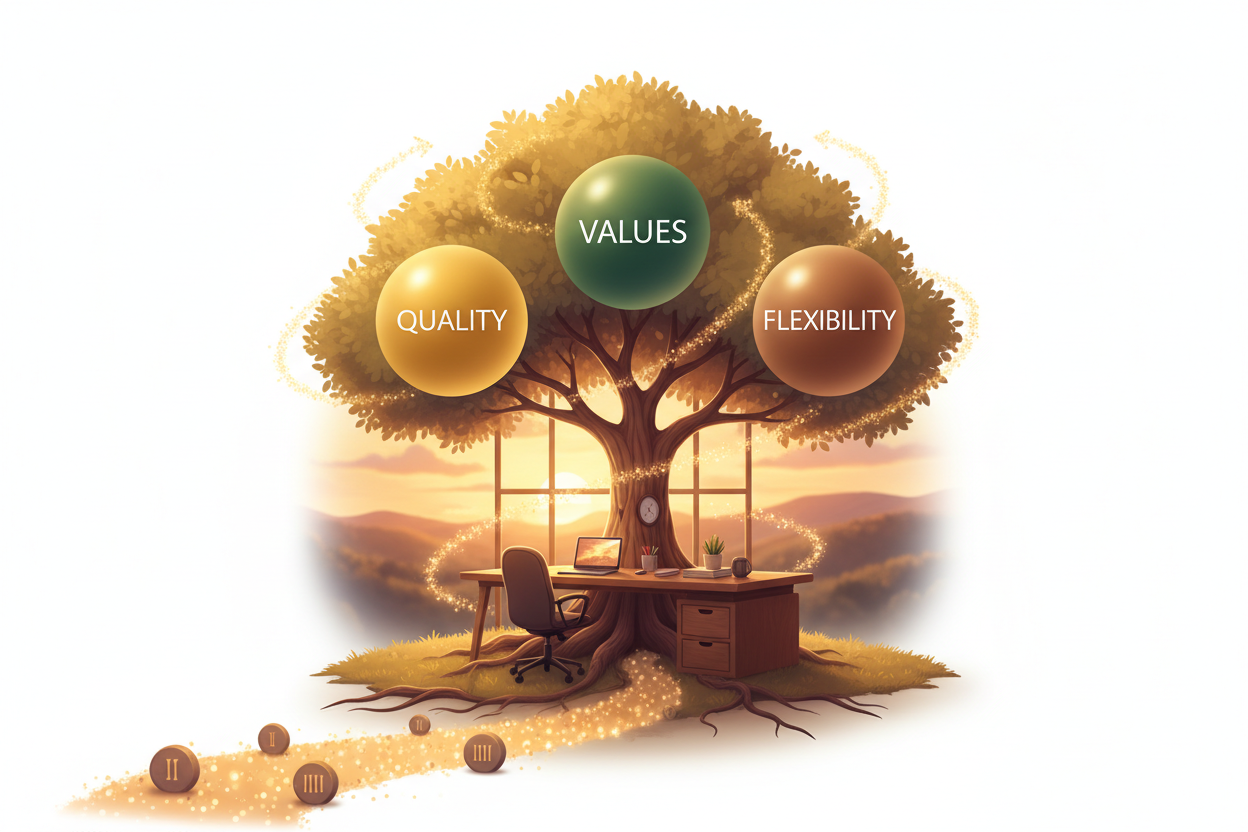
Remember that scaling isn’t just about getting bigger – it’s about getting better. Focus on building a business that can grow without sacrificing the quality, values, and flexibility that made you start your home business in the first place. Take time to celebrate your progress along the way, and don’t be afraid to adjust your approach as you learn what works best for your unique situation.
The most successful home business owners are those who remain adaptable, continue learning, and never lose sight of why they started their entrepreneurial journey. Your business may have outgrown your kitchen table, but the entrepreneurial spirit that got you started will continue to drive your success as you scale to new heights.
Free Traffic Sources
Get Access To 15 Of The HOTTEST Free Traffic Sources On The Planet!