Facebook Marketing: Creating Content for Diverse Audiences
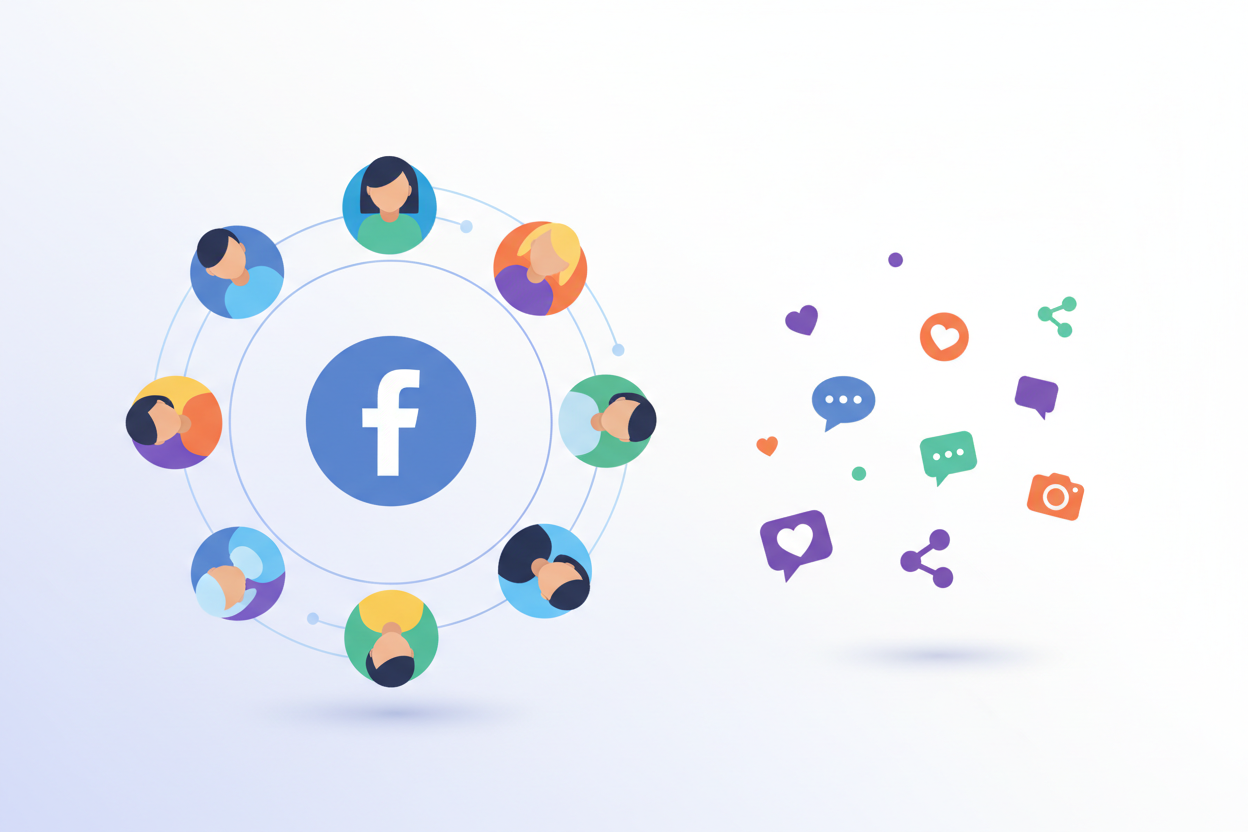
In today’s interconnected world, Facebook has become more than just a social networking platform – it’s a melting pot of cultures, languages, beliefs, and perspectives. With over 2.9 billion monthly active users spanning across continents, your Facebook marketing strategy must evolve beyond one-size-fits-all content. The key to successful Facebook marketing lies in understanding and embracing the beautiful diversity of your audience while creating content that resonates with each unique segment.
Creating content for diverse audiences isn’t just about translation or changing a few images. It’s about developing a deep understanding of cultural nuances, communication styles, and values that drive different communities. When done right, inclusive Facebook marketing can significantly expand your reach, build stronger brand loyalty, and create meaningful connections that transcend traditional demographic boundaries.
Understanding Your Diverse Facebook Audience
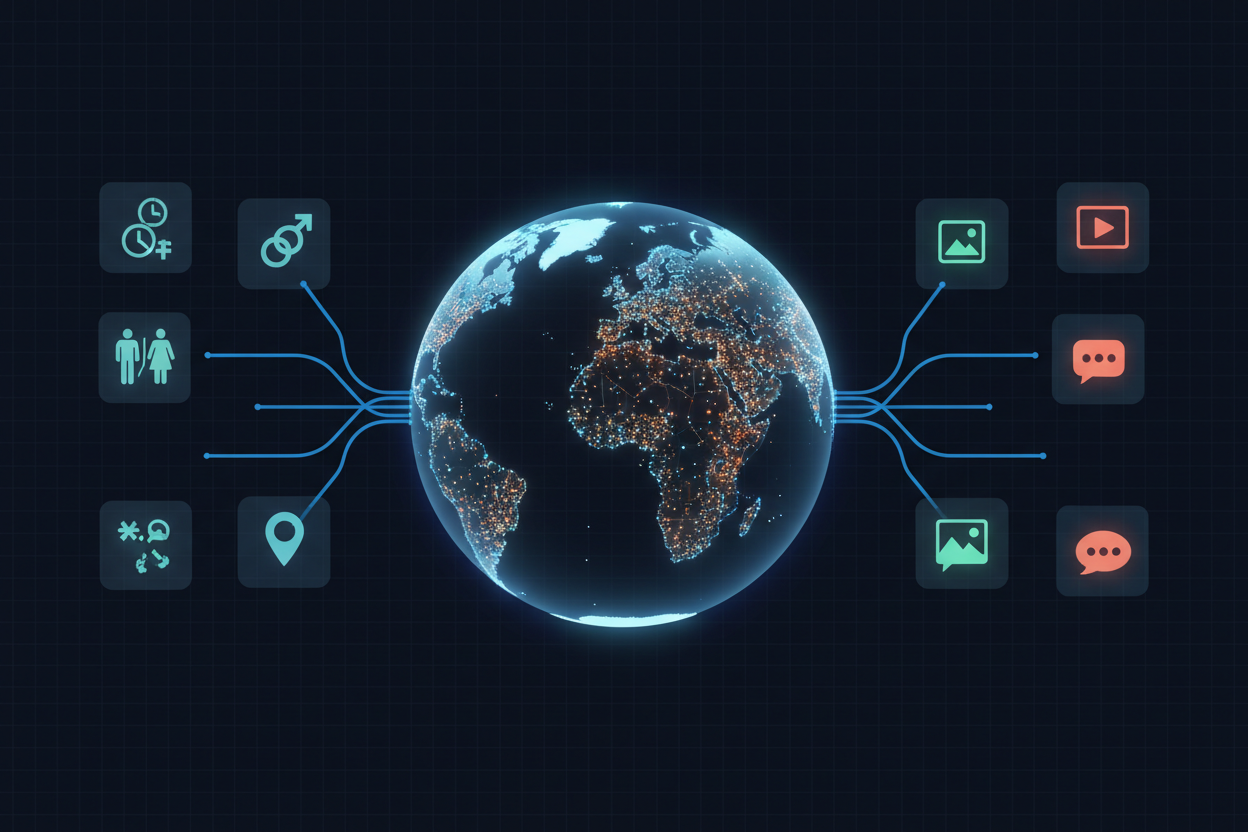
Before diving into content creation, you need to truly understand who’s engaging with your brand on Facebook. Your audience diversity might span across age groups, ethnicities, geographical locations, socioeconomic backgrounds, languages, and cultural identities. Each of these segments brings unique perspectives and preferences to how they consume and interact with content.
Start by analyzing your Facebook Insights to identify patterns in your audience demographics. Look beyond basic age and gender data – examine location data, language preferences, and engagement patterns across different types of content. You might discover that your audience in urban areas responds differently to visual content compared to rural audiences, or that certain cultural groups prefer video content over static images.
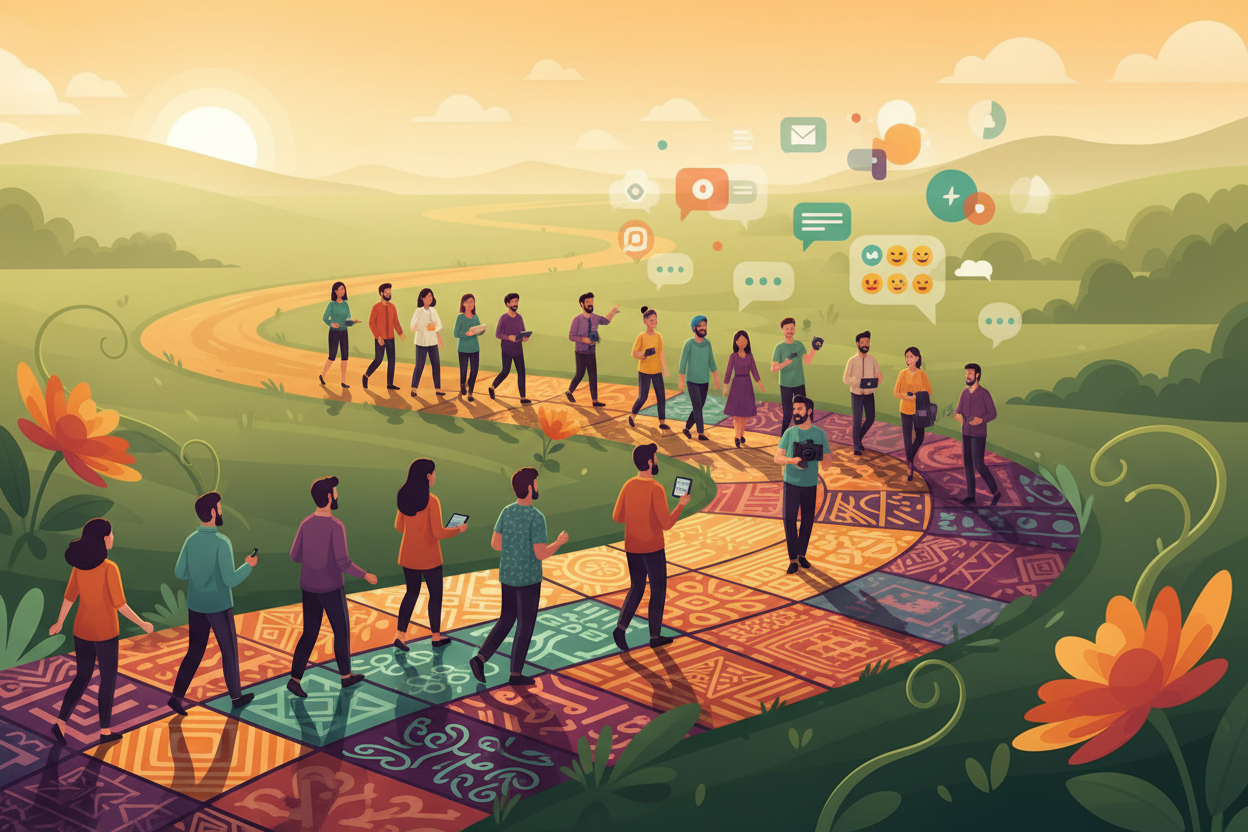
Consider conducting surveys or polls to gather direct feedback from your community. Ask questions about content preferences, cultural celebrations they’d like to see acknowledged, or topics that matter most to them. This direct input becomes invaluable when crafting your content strategy.
Cultural Sensitivity in Facebook Content Creation
Cultural sensitivity forms the backbone of successful diverse content marketing. It’s about recognizing that what works for one cultural group might be inappropriate or ineffective for another. This goes beyond avoiding offensive content – it’s about actively creating content that feels authentic and respectful to different communities.
Research cultural holidays, traditions, and significant dates for your various audience segments. However, avoid surface-level acknowledgments that feel tokenistic. Instead, invest time in understanding the deeper meaning behind these celebrations and how they align with your brand values. For instance, if you’re acknowledging Diwali, don’t just post a generic “Happy Diwali” message with stock imagery. Share content that demonstrates understanding of the festival’s significance and connects authentically with your brand story.
Pay attention to color symbolism, imagery choices, and even posting times that might vary across cultures. What’s considered lucky or positive in one culture might have different connotations in another. Similarly, humor translates differently across cultures, so what’s funny to one audience might be confusing or offensive to another.
Language Strategies for Multilingual Facebook Marketing
Language diversity on Facebook presents both opportunities and challenges. While English might be your primary language, your audience likely includes native speakers of dozens of other languages. Your language strategy should balance accessibility with authenticity.
Consider creating content in multiple languages for your most significant audience segments. This doesn’t mean every post needs translation, but important announcements, product launches, or community-building content should be accessible to non-English speakers. Use Facebook’s language targeting features to ensure the right language version reaches the appropriate audience.
When translating content, avoid direct word-for-word translations. Work with native speakers or professional translators who understand cultural context. Idioms, slang, and cultural references often don’t translate directly and might require complete rewording to maintain the intended message and tone.
Don’t forget about visual language elements. Ensure that text overlays on images, infographics, and video captions are also culturally appropriate and linguistically accurate for your diverse audience segments.
Visual Content That Speaks to Everyone
Visual content often transcends language barriers, making it a powerful tool for diverse audience engagement. However, creating inclusive visual content requires thoughtful consideration of representation, symbolism, and cultural context.
Prioritize diverse representation in your visual content. This means featuring people of different ethnicities, ages, body types, abilities, and backgrounds in your photos and videos. Avoid stereotypical portrayals and instead showcase authentic diversity that reflects your actual audience. When featuring families, for example, recognize that family structures vary widely across cultures and communities.
Consider the settings and contexts in your visual content. Urban versus rural settings, different architectural styles, and varying lifestyle representations can help different audience segments see themselves in your brand. A coffee shop chain, for instance, might showcase their products in both modern city cafes and traditional cultural settings.
Color choices in visual content carry cultural significance that varies worldwide. While white might represent purity in Western cultures, it’s associated with mourning in some Eastern cultures. Research color psychology across your target cultures and choose palettes that resonate positively with your diverse audience.
Storytelling Across Cultural Boundaries
Effective storytelling for diverse audiences requires finding universal themes while respecting cultural specificity. Focus on human experiences that transcend cultural boundaries – love, family, achievement, community, and personal growth – while allowing space for different cultural expressions of these themes.
Share customer stories that represent your audience diversity. Feature testimonials and success stories from community members of different backgrounds, highlighting how your product or service fits into their unique cultural context. This approach builds authenticity while helping other community members see themselves represented.
Develop content series that explore different cultural perspectives on universal topics. For a fitness brand, this might mean showcasing traditional exercises or sports from different cultures alongside modern fitness trends. This approach educates your entire audience while making specific cultural groups feel valued and represented.
Use storytelling formats that resonate across cultures. While narrative structures vary, certain elements like conflict resolution, personal transformation, and community support tend to engage audiences universally. Adapt your storytelling style to match the communication preferences of different cultural groups within your audience.
Timing and Frequency Considerations for Global Audiences
Managing posting schedules for diverse global audiences requires strategic thinking about time zones, cultural schedules, and platform usage patterns. Your audience in Asia might be most active during hours when your American audience is sleeping, and cultural events or religious observances might affect engagement patterns.
Use Facebook’s scheduling tools to post content at optimal times for different audience segments. Consider creating separate posting schedules for content targeting specific geographical or cultural groups. This might mean posting the same content multiple times to catch different audience segments during their peak engagement hours.
Be mindful of cultural and religious calendars when planning content frequency. During Ramadan, for instance, your Muslim audience members might have different social media usage patterns. Similarly, major holidays in different cultures might affect when and how people engage with branded content.
Consider creating a content calendar that acknowledges major cultural events and holidays throughout the year. This helps ensure you’re not inadvertently posting inappropriate content during sensitive times and allows you to plan inclusive content that celebrates your audience’s diversity.
Measuring Success Across Diverse Audience Segments
Measuring the success of your diverse content strategy requires looking beyond overall engagement metrics. Segment your analytics to understand how different audience groups respond to various content types, messaging approaches, and posting strategies.
Track engagement rates across different demographic segments to identify which content resonates most with specific groups. Look for patterns in comments, shares, and reactions that might indicate cultural preferences or sensitivities you hadn’t previously considered.
Monitor sentiment analysis across different audience segments. The same piece of content might generate positive responses from one cultural group while receiving neutral or negative responses from another. Understanding these differences helps refine your approach and avoid potential missteps.
Set up conversion tracking that accounts for different customer journey patterns across cultural groups. Some cultures might prefer longer consideration periods or different types of social proof before making purchasing decisions. Adjust your measurement timeframes and conversion attribution accordingly.
Building an Inclusive Facebook Community
Creating content for diverse audiences goes beyond posting – it’s about fostering an inclusive community where all members feel valued and heard. Your Facebook page should become a space where different perspectives are welcomed and celebrated.
Actively moderate comments to ensure respectful dialogue while allowing for diverse opinions and cultural perspectives. Develop community guidelines that explicitly promote inclusivity and respect for different backgrounds and viewpoints.
Encourage user-generated content that showcases your audience’s diversity. Create campaigns or hashtags that invite community members to share their unique perspectives or cultural traditions related to your brand or industry.
Respond to comments and messages in ways that acknowledge cultural context when appropriate. This might mean using culturally relevant greetings, acknowledging cultural holidays in your responses, or simply demonstrating awareness of different communication styles preferred by various cultural groups.
Conclusion
Creating Facebook content for diverse audiences is both an art and a strategic imperative in today’s global marketplace. It requires genuine commitment to understanding, respecting, and celebrating the rich tapestry of cultures, languages, and perspectives that make up your community. Success in this endeavor goes beyond surface-level diversity initiatives – it demands deep cultural competency, authentic representation, and ongoing commitment to inclusive practices.
The investment in diverse content creation pays dividends through expanded reach, stronger brand loyalty, and more meaningful customer relationships. When people see themselves authentically represented in your content, when their cultural values are respected and celebrated, and when their unique perspectives are valued, they become not just customers but brand advocates.
Remember that creating content for diverse audiences is an ongoing journey, not a destination. Cultural landscapes evolve, new communities join your audience, and societal conversations shift. Stay curious, remain humble, and continue learning from your community members. The most successful Facebook marketing strategies for diverse audiences are those that grow and adapt alongside the communities they serve.
By embracing diversity as a strength rather than a challenge, your Facebook marketing can become a powerful force for connection, understanding, and business growth. In our interconnected world, the brands that thrive are those that recognize and celebrate the beautiful diversity of human experience while finding the common threads that unite us all.
Free Traffic Sources
Get Access To 15 Of The HOTTEST Free Traffic Sources On The Planet!