Internet Marketing: Trends in Mobile Advertising That Are Reshaping Digital Campaigns
Remember when mobile advertising meant those tiny banner ads that nobody clicked? Those days are long gone. Today’s mobile advertising landscape has transformed into a sophisticated ecosystem where creativity meets technology, and frankly, it’s fascinating to watch unfold. As someone who’s been tracking these changes, I can tell you that mobile advertising has become the driving force behind modern internet marketing strategies.
With over 6.8 billion smartphone users worldwide and mobile devices accounting for more than half of all web traffic, businesses can no longer treat mobile advertising as an afterthought. It’s not just about making your ads mobile-friendly anymore – it’s about creating immersive, personalized experiences that speak directly to users in their most intimate digital space: their phones.
The Rise of Video-First Mobile Advertising
Video content has absolutely exploded on mobile platforms, and honestly, it’s not hard to see why. When I scroll through my social media feeds, I’m immediately drawn to moving content rather than static images. This behavior isn’t unique to me – studies show that mobile video consumption increases by 100% every year.
Short-form video advertising has become particularly powerful. Platforms like TikTok, Instagram Reels, and YouTube Shorts have created new opportunities for brands to tell compelling stories in 15 to 60 seconds. The key here isn’t just creating video content; it’s understanding that mobile users consume video differently than desktop users. They want immediate engagement, authentic storytelling, and content that doesn’t feel like traditional advertising.
What makes mobile video advertising so effective is its ability to leverage native features like vertical orientation, touch interactions, and sound-on viewing experiences. Brands that have embraced this shift are seeing engagement rates that would have been unimaginable just a few years ago.
Personalization Through Advanced Data Analytics
The level of personalization possible in today’s mobile advertising landscape is both impressive and slightly overwhelming. Mobile devices generate an incredible amount of data – location information, app usage patterns, search history, and behavioral signals that paint a detailed picture of user preferences and intentions.
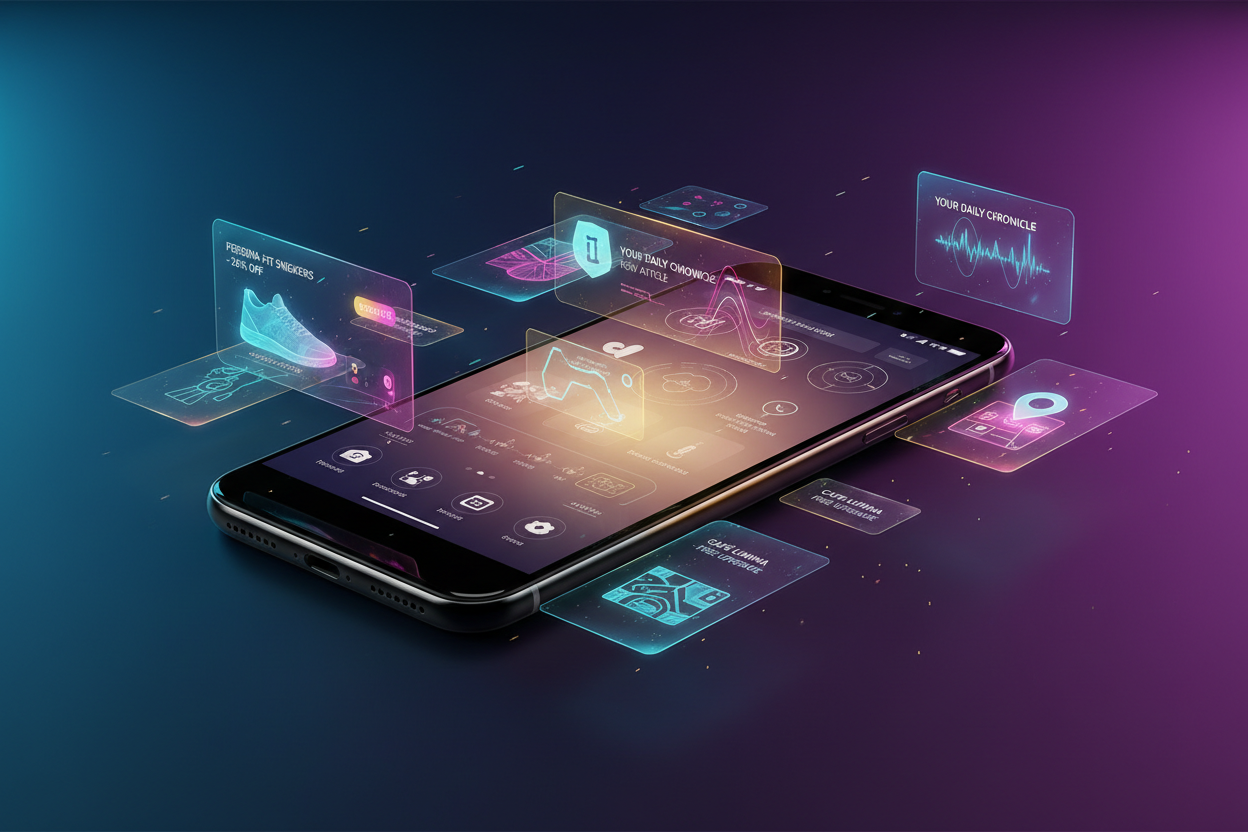
Machine learning algorithms now process this data in real-time to deliver hyper-targeted advertisements. I’ve noticed this personally when ads for local restaurants appear just as I’m thinking about lunch, or when I see promotions for products I was browsing earlier. This isn’t coincidence; it’s sophisticated targeting at work.
The most successful mobile advertising campaigns today use dynamic creative optimization, where ad elements automatically adjust based on user data. This means the same campaign might show different images, headlines, or calls-to-action to different users based on their likelihood to engage with specific content types.
Interactive and Immersive Ad Experiences
Static banner ads are becoming increasingly obsolete as mobile advertising embraces interactivity. Playable ads, augmented reality experiences, and gamified content are transforming how brands connect with mobile users. These formats work because they provide value beyond the advertisement itself.
Augmented reality advertising, in particular, has gained significant traction. Beauty brands allow users to virtually try on makeup, furniture companies let customers visualize products in their homes, and fashion retailers enable virtual fitting rooms. These experiences create emotional connections that traditional advertising simply cannot achieve.
Interactive polls, swipe-through carousels, and mini-games embedded within ads have also proven highly effective. They transform passive ad consumption into active engagement, significantly increasing the likelihood of conversion while providing users with entertaining experiences.
The Integration of Social Commerce
Social media platforms have evolved far beyond simple advertising spaces – they’ve become complete shopping ecosystems. Instagram Shopping, Facebook Marketplace, TikTok Shop, and Pinterest Shopping have blurred the lines between social interaction and commercial activity.
This integration has revolutionized mobile advertising by reducing friction in the purchase journey. Users can now discover products, read reviews, compare options, and complete purchases without ever leaving their favorite social platform. For advertisers, this means higher conversion rates and more accurate attribution tracking.
Influencer partnerships have become more sophisticated within this social commerce framework. Rather than simple product placements, we’re seeing collaborative product lines, exclusive launches, and authentic integration of products into content creators’ daily lives. This approach feels more natural to mobile users who are increasingly skeptical of traditional advertising methods.
Privacy-First Advertising Strategies
The mobile advertising industry is undergoing a fundamental shift toward privacy-conscious practices. Apple’s iOS 14.5 update, which requires apps to ask permission before tracking users, has forced advertisers to rethink their strategies entirely. Google’s planned phase-out of third-party cookies and increasing privacy regulations worldwide are accelerating this transformation.
First-party data has become more valuable than ever. Brands are investing heavily in building direct relationships with customers through apps, email lists, and loyalty programs. This shift is actually creating opportunities for more meaningful customer relationships, even as it makes targeting more challenging.
Contextual advertising is making a comeback as advertisers look for privacy-friendly alternatives to behavioral targeting. By focusing on the content users are consuming rather than their personal data, brands can still deliver relevant ads while respecting user privacy preferences.
Voice Search and Audio Advertising Evolution
Voice search optimization has become crucial for mobile advertising success. With smart speakers in millions of homes and voice assistants integrated into every smartphone, users are increasingly comfortable with voice-based interactions. This shift requires advertisers to think about how their content sounds, not just how it looks.
Podcast advertising has experienced tremendous growth, particularly among mobile users who consume audio content during commutes, workouts, and daily activities. The intimate nature of audio content creates unique opportunities for brand storytelling and emotional connection.
Smart audio ads that respond to voice commands or integrate with voice assistants are emerging as the next frontier. These ads can provide immediate value by answering questions, providing information, or facilitating purchases through voice interactions.
Location-Based Marketing Sophistication
Location-based mobile advertising has evolved far beyond simple geo-targeting. Modern location intelligence combines real-time positioning data with historical movement patterns, demographic information, and contextual signals to create incredibly precise targeting opportunities.
Geofencing technology now enables brands to trigger personalized messages when users enter specific locations, while beacon technology provides even more granular indoor positioning capabilities. Retailers use these tools to send relevant offers when customers are near their stores, significantly increasing foot traffic and sales.
The integration of weather data, local events, and traffic patterns into location-based campaigns has made mobile advertising more contextually relevant than ever before. A coffee shop can now target users who are stuck in traffic during their morning commute with perfectly timed promotional messages.
The Future of Mobile Advertising Technology
Looking ahead, several emerging technologies promise to further transform mobile advertising. 5G networks are enabling richer, more immersive ad experiences with faster loading times and higher quality video content. Edge computing is bringing real-time personalization capabilities closer to users, reducing latency and improving ad relevance.
Artificial intelligence is becoming more sophisticated in predicting user behavior and optimizing campaign performance automatically. We’re moving toward a future where AI will handle most campaign optimization tasks, allowing marketers to focus on strategy and creative development.
Blockchain technology is being explored for ad verification and fraud prevention, while virtual and augmented reality technologies continue to create new possibilities for immersive brand experiences on mobile devices.
Measuring Success in the New Mobile Advertising Landscape
Traditional metrics like click-through rates and impressions are becoming less meaningful as mobile advertising becomes more sophisticated. Modern campaigns require more nuanced measurement approaches that consider engagement quality, brand lift, and long-term customer value.
Attribution modeling has become more complex as users interact with brands across multiple touchpoints and devices. Advanced analytics platforms now use machine learning to identify the most influential interactions in the customer journey, providing more accurate insights into campaign effectiveness.
Real-time optimization based on performance data has become standard practice. Successful mobile advertising campaigns continuously adjust targeting, creative elements, and budget allocation based on incoming performance signals.
The mobile advertising landscape continues to evolve at breakneck speed, driven by technological innovation and changing user expectations. What excites me most about these trends is how they’re making advertising more valuable for both brands and consumers. Instead of interrupting user experiences, modern mobile advertising enhances them by providing relevant, timely, and engaging content.
Success in this environment requires staying informed about emerging technologies, understanding user privacy concerns, and maintaining a focus on creating genuine value through advertising experiences. The brands that embrace these principles while staying agile enough to adapt to new developments will thrive in the mobile-first future of digital marketing.
As we move forward, the most important thing to remember is that behind every mobile device is a real person with real needs and preferences. The most successful mobile advertising strategies will always be those that respect this human element while leveraging technology to create meaningful connections.
Free Traffic Sources
Get Access To 15 Of The HOTTEST Free Traffic Sources On The Planet!