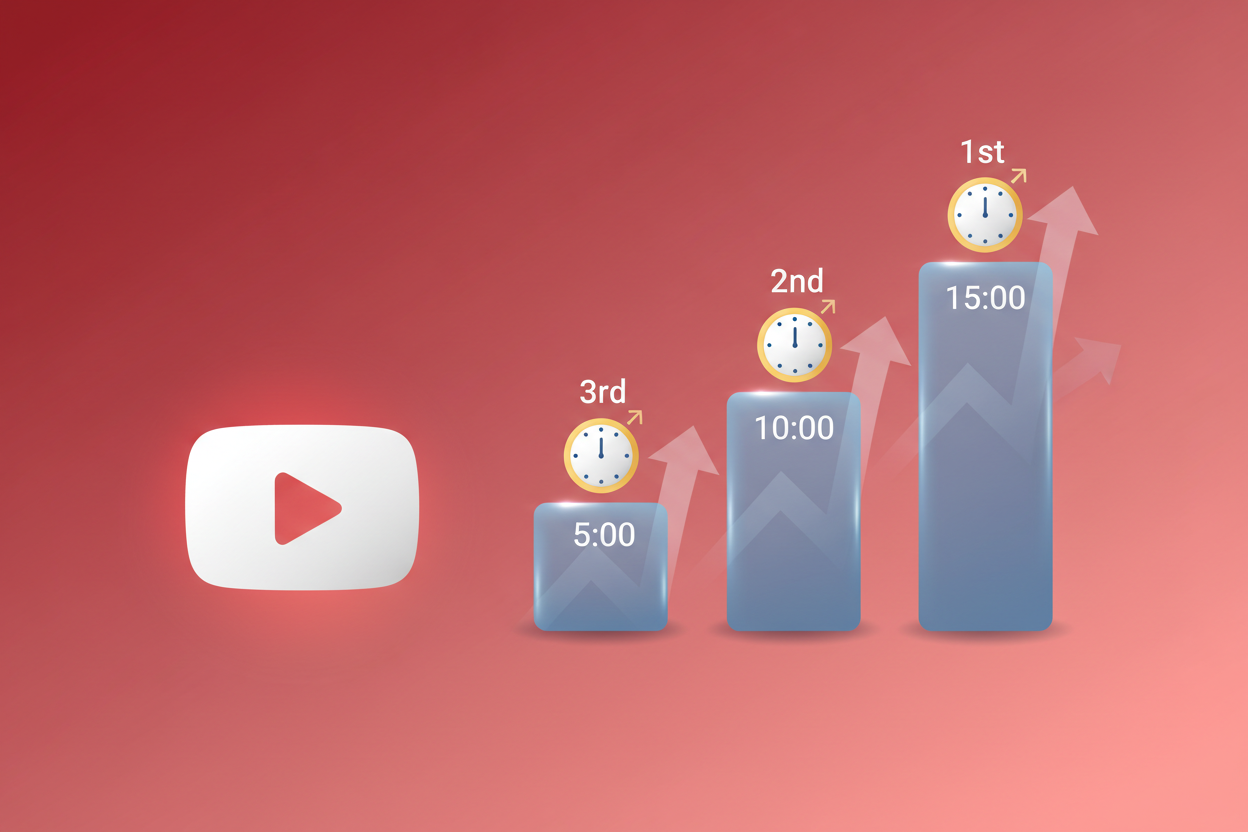
How to Rank YouTube Videos: The Importance of Video Length
If you’ve ever wondered why some YouTube videos skyrocket to the top of search results while others remain buried in digital obscurity, you’re not alone. As someone who’s spent countless hours analyzing YouTube’s algorithm and testing different content strategies, I can tell you that video length plays a more crucial role in ranking than most creators realize.
YouTube’s algorithm is like a complex puzzle, and video duration is one of the most important pieces. It’s not just about creating content anymore – it’s about creating content that keeps viewers engaged for the right amount of time. The platform rewards videos that maximize watch time, and understanding how length affects this metric can make or break your channel’s success.

In this comprehensive guide, we’ll dive deep into the relationship between video length and YouTube rankings, exploring the science behind optimal duration and providing you with actionable strategies to improve your content’s visibility.
Understanding YouTube’s Algorithm and Video Length
YouTube’s recommendation system has evolved significantly since the platform’s early days. Initially, the algorithm prioritized videos based on click-through rates and view counts. However, YouTube realized that these metrics didn’t necessarily indicate quality content or user satisfaction. The platform shifted its focus to watch time and session duration, fundamentally changing how content creators should approach video length.
The algorithm now considers several key factors related to video duration. First, it examines absolute watch time – the total minutes viewers spend watching your video. Second, it analyzes relative audience retention – the percentage of your video that viewers actually watch. These two metrics work together to determine how well your content performs in search results and recommendations.
What makes this particularly interesting is that YouTube doesn’t simply favor longer videos. Instead, it rewards videos that maintain high engagement throughout their duration. A 20-minute video with 30% retention might perform worse than a 5-minute video with 80% retention, even though the longer video generates more absolute watch time.
The Sweet Spot: Optimal Video Length for Different Content Types
After analyzing thousands of successful YouTube videos across various niches, certain patterns emerge regarding optimal video length. However, it’s important to understand that there’s no universal “perfect” duration – the ideal length depends heavily on your content type and audience expectations.
For educational content and tutorials, videos between 7-15 minutes tend to perform exceptionally well. This duration allows creators to dive deep into topics while maintaining viewer attention. I’ve noticed that my own tutorial videos in this range consistently outperform both shorter and longer alternatives in terms of search rankings.
Entertainment content, including comedy sketches and reaction videos, typically thrives in the 3-8 minute range. Viewers seeking entertainment often prefer quick, digestible content that delivers immediate satisfaction. However, gaming content breaks this rule entirely, with successful gaming videos often ranging from 15-30 minutes or even longer.
Vlog-style content occupies a middle ground, with 8-12 minute videos showing strong performance. This length allows vloggers to share meaningful experiences while keeping pace with viewers’ attention spans.
How Video Length Impacts Watch Time and Retention
Understanding the relationship between video length and audience retention requires looking beyond simple duration numbers. YouTube’s analytics reveal fascinating insights about viewer behavior patterns that directly influence ranking performance.
Shorter videos, typically under 3 minutes, often achieve higher percentage retention rates but generate limited absolute watch time. While this might seem ideal for retention metrics, YouTube’s algorithm heavily weighs total watch time, which can disadvantage very short content in search rankings.
Longer videos face the opposite challenge. While they have the potential to generate significant watch time, maintaining viewer engagement becomes increasingly difficult as duration extends. Most videos experience a natural drop-off in retention after the 2-3 minute mark, with steeper declines occurring around 7-10 minutes for average content.
The most successful videos find ways to combat this natural retention decline through strategic content structuring. They use techniques like preview hooks, chapter breaks, and engagement spikes to maintain viewer interest throughout longer durations.
Strategic Content Planning: Matching Length to Purpose
Effective video length planning starts with understanding your content’s primary purpose and your audience’s intent. Different viewer motivations require different approaches to duration optimization.
When creating how-to content, your video length should match the complexity of the task you’re teaching. Simple tutorials might only need 3-5 minutes, while comprehensive guides could require 15-20 minutes. The key is providing complete value without unnecessary padding or rushing through important steps.
For product reviews and comparisons, 8-12 minutes typically works well. This duration allows for thorough analysis while respecting viewers’ time constraints. However, highly technical or expensive products might justify longer reviews, as viewers are more willing to invest time when making significant purchasing decisions.
News and current events content often performs best in the 5-8 minute range. Viewers want comprehensive coverage but also value efficiency when staying informed about rapidly changing topics.
Technical Factors: How Length Affects SEO Elements
Video length influences several technical SEO factors that impact YouTube rankings. Longer videos provide more opportunities for keyword placement and topic coverage, which can improve search relevance. However, this advantage only materializes if the extended content remains engaging and valuable.
Longer videos also generate more user engagement opportunities through comments, likes, and shares. YouTube’s algorithm considers these engagement signals when determining rankings, giving well-executed longer content a potential advantage.
Additionally, extended videos create more opportunities for internal linking through cards and end screens. These features help boost session duration by encouraging viewers to watch additional content, which YouTube rewards with improved visibility.
However, longer videos also face technical challenges. They require more bandwidth and processing power, potentially affecting loading times and user experience on slower connections. This factor becomes particularly important for mobile viewers, who represent a significant portion of YouTube’s audience.
Audience Retention Strategies for Different Video Lengths
Maintaining high retention rates across different video lengths requires specific strategies tailored to duration expectations. For shorter videos under 5 minutes, front-loading value becomes critical. Viewers expect immediate payoff, so your most compelling content should appear within the first 30 seconds.
Medium-length videos between 5-15 minutes benefit from structured storytelling approaches. Break your content into clear segments, use preview hooks to maintain interest, and provide regular value deliveries throughout the duration. I’ve found that acknowledging the video’s length early and providing a content roadmap helps set appropriate viewer expectations.
Longer videos over 15 minutes require advanced retention techniques. Consider implementing chapter markers to help viewers navigate content, use pattern interrupts to reset attention, and vary your pacing to prevent monotony. Successful long-form creators often employ multiple mini-climaxes throughout their content to maintain engagement.
Common Mistakes That Hurt Video Rankings
Many creators make critical errors when determining video length, inadvertently harming their ranking potential. One of the most common mistakes is artificially extending videos with filler content to reach arbitrary duration targets. YouTube’s algorithm is sophisticated enough to detect when content quality drops, and viewers quickly abandon videos that waste their time.
Conversely, some creators cut valuable content to meet perceived length requirements, leaving viewers unsatisfied and less likely to engage positively. This approach often results in lower retention rates and reduced ranking performance.
Another frequent error involves ignoring audience feedback and analytics data when planning video length. Your YouTube Analytics dashboard provides invaluable insights into optimal duration for your specific audience, yet many creators rely on generic advice rather than data-driven decisions.
Inconsistent video lengths can also confuse your audience and algorithm signals. While variety isn’t inherently bad, dramatic length variations without strategic reasoning can hurt your channel’s overall performance.
Testing and Optimizing Your Video Length Strategy
Developing an effective video length strategy requires systematic testing and continuous optimization. Start by analyzing your existing content performance, identifying patterns between video length and key metrics like retention rate, watch time, and ranking positions.
Create test videos at different lengths covering similar topics or using comparable formats. This approach helps isolate length as a variable while controlling for other factors that might influence performance. Document your results carefully, noting not just overall performance but also audience feedback and engagement patterns.
Use YouTube’s analytics tools to identify your audience’s optimal session lengths. If viewers typically watch 6 minutes of your content regardless of video length, creating 6-minute videos might maximize retention rates while maintaining watch time.
Consider seasonal and trending factors when testing length strategies. Viewer behavior often changes during different times of year or in response to platform trends, requiring ongoing adjustment to your approach.
Future Trends and Video Length Evolution
The relationship between video length and YouTube rankings continues evolving as viewer preferences and platform priorities shift. Recent trends suggest growing acceptance of longer-form content, particularly in educational and entertainment niches. This shift reflects viewers’ increasing comfort with extended digital content consumption.
However, the rise of short-form content platforms has also created demand for quick, impactful videos. YouTube’s introduction of Shorts demonstrates the platform’s recognition of diverse content length preferences, though Shorts operate under different ranking algorithms than traditional videos.
Artificial intelligence and machine learning improvements in YouTube’s algorithm suggest future ranking systems will become even more sophisticated at matching content length with viewer intent and satisfaction. This evolution will likely reward creators who focus on value delivery over arbitrary duration targets.
The key to future success lies in maintaining flexibility and audience focus rather than adhering to rigid length formulas. Creators who prioritize viewer satisfaction and engagement over algorithmic gaming will likely see the most sustainable ranking improvements.
Conclusion
Video length plays a crucial role in YouTube rankings, but it’s not about finding a magic number that guarantees success. Instead, effective length optimization requires understanding your audience, matching duration to content purpose, and maintaining high engagement throughout your chosen timeframe.
The most successful YouTube creators don’t obsess over perfect video lengths – they focus on delivering maximum value in whatever time their content requires. Whether that’s 3 minutes or 30 minutes depends on the topic, audience expectations, and content quality.
Remember that YouTube’s algorithm ultimately rewards viewer satisfaction. If your content keeps people watching and engaging, the algorithm will notice regardless of whether your video is 5 minutes or 50 minutes long. Focus on creating compelling, valuable content first, then optimize length based on performance data and audience feedback.
Start experimenting with different video lengths in your niche, but always prioritize substance over arbitrary duration targets. Your rankings will improve naturally when you consistently deliver content that serves your audience’s needs effectively, regardless of how long it takes to do so.
Free Traffic Sources
Get Access To 15 Of The HOTTEST Free Traffic Sources On The Planet!