

Affiliate Marketing: Tracking and Analyzing Performance for Maximum ROI
If you’ve been running affiliate marketing campaigns without proper tracking and analysis, you’re essentially flying blind in a competitive digital landscape. I learned this the hard way during my first year as an affiliate marketer when I was generating traffic but couldn’t figure out which efforts were actually profitable. Today, I want to share everything I’ve discovered about tracking and analyzing affiliate marketing performance to help you maximize your return on investment.
Success in affiliate marketing isn’t just about driving traffic or getting clicks – it’s about understanding which strategies generate real revenue and optimizing your efforts accordingly. Without proper performance tracking, you might be wasting time and money on campaigns that look promising on the surface but fail to deliver meaningful results.
Why Performance Tracking Matters in Affiliate Marketing
Performance tracking serves as the foundation of any successful affiliate marketing strategy. When you can accurately measure your campaigns, you gain valuable insights that allow you to make data-driven decisions rather than relying on guesswork. This approach has personally helped me increase my conversion rates by over 200% in some campaigns.
The affiliate marketing landscape is incredibly dynamic, with consumer behavior, market trends, and platform algorithms constantly evolving. Without robust tracking systems, you’ll miss crucial opportunities to adapt your strategies and stay ahead of the competition. Moreover, accurate performance data helps you identify your most profitable traffic sources, optimize your content for better conversions, and allocate your budget more effectively.
Think of performance tracking as your marketing GPS – it shows you where you are, where you’re going, and helps you navigate around obstacles to reach your destination faster and more efficiently.
Essential Metrics Every Affiliate Marketer Should Monitor
Understanding which metrics to track can feel overwhelming when you’re starting out, but focusing on the right key performance indicators will provide clarity and direction for your campaigns. Through years of testing and optimization, I’ve identified several critical metrics that consistently provide actionable insights.
Click-through rate represents the percentage of people who click on your affiliate links after seeing your content. This metric helps you understand how compelling your promotional content is and whether your audience finds your recommendations relevant. A low CTR might indicate that your content needs better alignment with your audience’s interests or that your call-to-action needs improvement.
Conversion rate measures the percentage of clicks that result in actual sales or desired actions. This is arguably the most important metric because it directly impacts your revenue. I’ve found that conversion rates can vary dramatically between different products, traffic sources, and promotional methods, making it essential to track this metric across all your campaigns.
Earnings per click reveals how much revenue you generate for every person who clicks your affiliate links. This metric helps you compare the profitability of different campaigns and products, even when they have different commission structures. Some products might have lower conversion rates but higher commission values, resulting in better EPC figures.
Return on investment calculates the profitability of your marketing efforts by comparing your earnings to your expenses. This includes costs for paid advertising, content creation tools, website hosting, and any other campaign-related expenses. Tracking ROI ensures that your affiliate marketing activities are genuinely profitable rather than just generating revenue.
Setting Up Effective Tracking Systems
Creating a comprehensive tracking system requires careful planning and the right combination of tools and techniques. The good news is that you don’t need to be a technical expert to implement effective tracking – many user-friendly solutions are available that can provide professional-level insights.
Google Analytics remains one of the most powerful free tools for tracking affiliate marketing performance. Setting up goal tracking and e-commerce tracking allows you to monitor conversions, revenue, and user behavior patterns. I recommend creating custom UTM parameters for all your affiliate links to track which specific content pieces, traffic sources, and campaigns generate the best results.
Link tracking tools like Pretty Links, ThirstyAffiliates, or Bitly provide detailed click analytics and help you manage your affiliate links more effectively. These tools also allow you to create branded, memorable links that look more professional and trustworthy to your audience. The detailed analytics these platforms provide can reveal patterns in user behavior that might not be visible through other tracking methods.
Many affiliate networks provide their own tracking dashboards with real-time data on clicks, conversions, and earnings. While these are valuable, I’ve learned that relying solely on network-provided data can limit your ability to optimize your campaigns. Combining network data with your own tracking systems provides a more complete picture of your performance.
Consider implementing pixel tracking for more advanced attribution modeling. Facebook Pixel, Google Ads conversion tracking, and other platform-specific pixels help you understand the customer journey across different touchpoints and optimize your paid advertising efforts accordingly.
Tools and Platforms for Performance Analysis
The right analytical tools can transform raw data into actionable insights that drive real improvements in your affiliate marketing performance. Over the years, I’ve tested numerous platforms and found that the best approach often involves using multiple complementary tools rather than relying on a single solution.
Google Analytics 4 offers sophisticated attribution modeling that helps you understand how different marketing channels work together to generate conversions. The platform’s enhanced e-commerce tracking provides detailed insights into user behavior, including which content keeps visitors engaged and which pages lead to the highest conversion rates.
For affiliate marketers managing multiple campaigns across various networks, dedicated affiliate tracking software like Voluum, ClickMeter, or RedTrack can provide more specialized functionality. These platforms offer features like split testing, fraud detection, and advanced reporting that are specifically designed for performance marketing.
Heat mapping tools such as Hotjar or Crazy Egg reveal how visitors interact with your content and where they encounter friction in the conversion process. This visual data has helped me identify optimization opportunities that weren’t apparent from traditional analytics, such as poorly placed call-to-action buttons or confusing page layouts.
Social media analytics platforms like Hootsuite Insights or Sprout Social are essential if you’re promoting affiliate products through social channels. These tools help you understand which types of content generate the most engagement and conversions on each platform, allowing you to tailor your approach accordingly.
Data Interpretation and Actionable Insights
Collecting data is only the first step – the real value comes from interpreting that information correctly and taking meaningful action based on your findings. This is where many affiliate marketers struggle, often getting overwhelmed by the sheer volume of available data or misinterpreting what the numbers actually mean.
When analyzing your performance data, look for patterns and trends rather than focusing solely on individual data points. A single day of poor performance might be an anomaly, but consistent underperformance over several weeks indicates a need for strategic changes. I’ve learned to examine data over different time periods to identify seasonal trends, weekly patterns, and long-term growth trajectories.
Segment your data to uncover hidden insights that aggregate numbers might mask. Compare performance across different traffic sources, geographic locations, device types, and demographic groups. You might discover that mobile users convert differently than desktop users, or that certain geographic regions respond better to specific types of promotional content.
Pay attention to correlation versus causation when interpreting your data. Just because two metrics move together doesn’t necessarily mean one causes the other. For example, increased social media engagement might correlate with higher affiliate sales, but the real driver could be improved content quality that benefits both metrics simultaneously.
Create regular reporting schedules to review your performance systematically. I recommend weekly tactical reviews to address immediate issues and monthly strategic reviews to evaluate longer-term trends and plan future campaigns. This structured approach ensures that you’re consistently learning from your data and making informed decisions.
Optimization Strategies Based on Performance Data
The ultimate goal of tracking and analyzing your affiliate marketing performance is to identify opportunities for improvement and implement changes that increase your profitability. Successful optimization requires a systematic approach that tests hypotheses based on your data insights rather than making random changes and hoping for the best.
Content optimization should be your first priority when performance data indicates low engagement or conversion rates. Use your analytics to identify which topics, formats, and promotional approaches resonate most with your audience. If certain blog posts or videos consistently generate higher conversion rates, analyze what makes them successful and apply those elements to underperforming content.
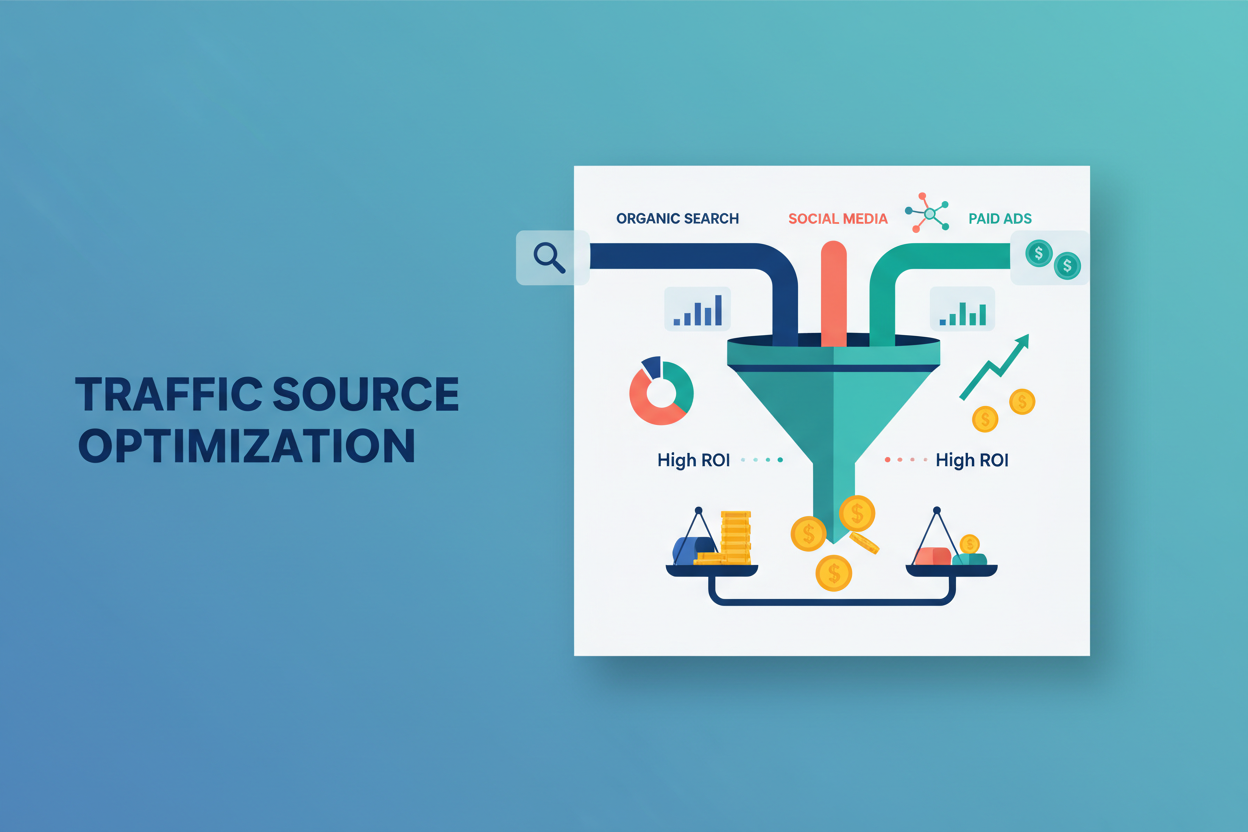
Traffic source optimization involves reallocating your time and budget toward the channels that provide the best return on investment. If your data shows that organic search traffic converts better than social media traffic, consider investing more effort in SEO and content marketing. Conversely, if paid advertising on specific platforms generates strong ROI, gradually increase your budget for those campaigns while monitoring performance closely.
A/B testing different elements of your promotional strategy can reveal significant optimization opportunities. Test different headlines, call-to-action buttons, product recommendations, and promotional timing to identify what works best for your specific audience. I’ve seen conversion rate improvements of 50% or more from seemingly minor changes discovered through systematic testing.
Seasonal and trend-based optimization requires analyzing your historical performance data to identify patterns and prepare for future opportunities. If certain products perform better during specific times of the year, plan your content calendar and promotional activities accordingly. Stay aware of industry trends and consumer behavior changes that might affect your affiliate marketing performance.
Common Tracking Mistakes to Avoid
Even experienced affiliate marketers can fall into tracking and analysis traps that lead to poor decision-making and missed opportunities. Learning to recognize and avoid these common mistakes can save you significant time and money while improving your overall performance.
One of the most frequent errors I see is tracking too many metrics without focusing on those that truly matter for your specific goals. While comprehensive data collection is important, analysis paralysis can prevent you from taking action on the insights that would have the biggest impact on your results. Focus on metrics that directly relate to your revenue and profitability goals.
Ignoring attribution windows and customer journey complexity can lead to misguided optimization efforts. Many affiliate marketers attribute conversions to the last click or interaction, but customers often research products multiple times before making a purchase. Understanding the full customer journey helps you optimize your entire marketing funnel rather than just the final touchpoint.
Failing to account for external factors when interpreting performance changes can result in incorrect conclusions. Market conditions, competitor actions, seasonal trends, and platform algorithm updates can all affect your metrics. Always consider the broader context when analyzing performance data and avoid making dramatic strategy changes based on short-term fluctuations.
Inconsistent tracking implementation across different campaigns makes it difficult to compare performance accurately and identify best practices. Establish standardized tracking procedures and naming conventions to ensure that your data remains reliable and comparable over time.
Conclusion
Effective tracking and analysis form the backbone of successful affiliate marketing campaigns, transforming guesswork into strategic decision-making that drives consistent profitability. By implementing comprehensive tracking systems, monitoring the right metrics, and interpreting your data correctly, you’ll gain the insights needed to optimize your campaigns and maximize your return on investment.
Remember that tracking and analysis are ongoing processes rather than one-time setup tasks. The digital marketing landscape continues to evolve, and your tracking systems must adapt accordingly. Stay curious about your data, test new approaches regularly, and always be willing to adjust your strategies based on what the numbers tell you.
The time and effort you invest in proper performance tracking today will pay dividends throughout your affiliate marketing career. Start with the basics, gradually expand your tracking capabilities, and focus on taking action based on your insights. With consistent monitoring and optimization, you’ll build a more profitable and sustainable affiliate marketing business that continues to grow over time.
Free Traffic Sources
Get Access To 15 Of The HOTTEST Free Traffic Sources On The Planet!