
Internet Marketing: Integrating Online and Offline Strategies for Maximum Business Impact
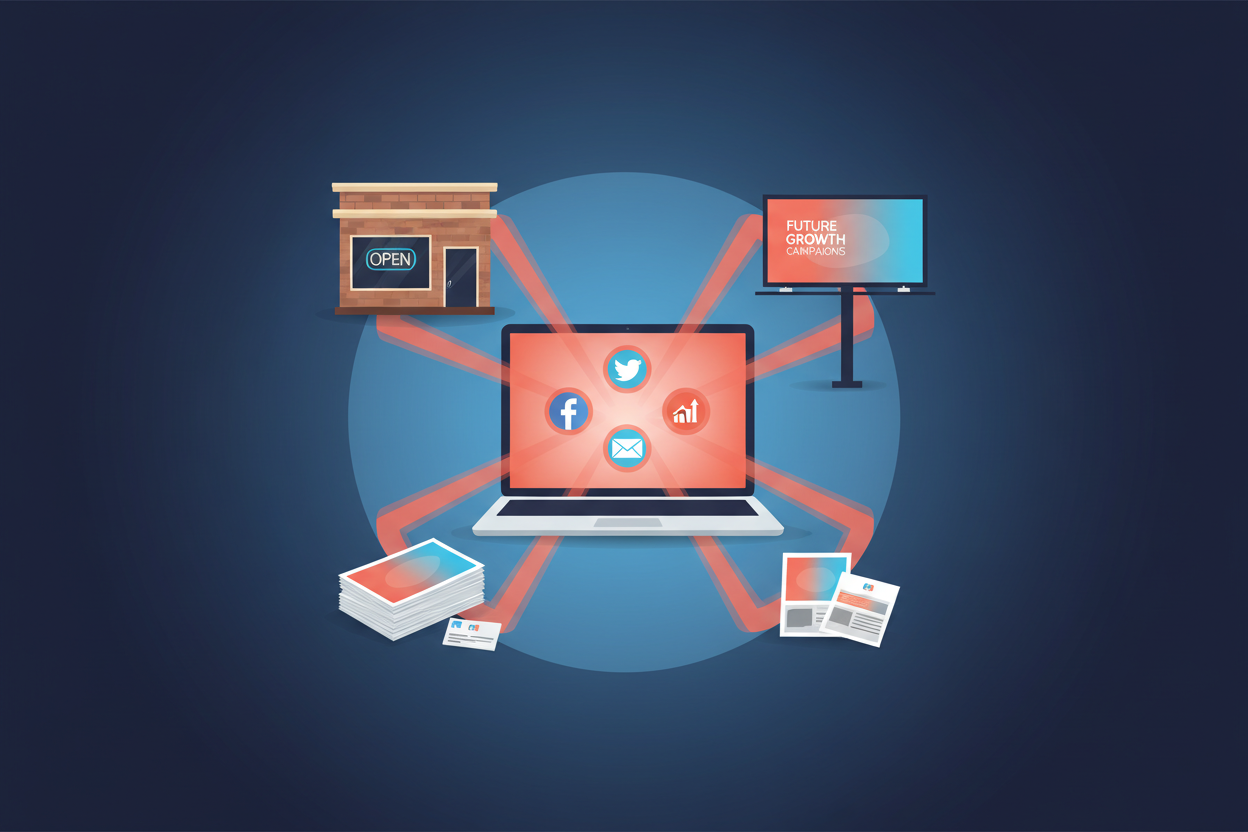
In today’s hyper-connected world, the line between online and offline marketing continues to blur. Smart businesses are discovering that the most effective approach isn’t choosing between digital and traditional marketing methods, but rather creating a seamless integration that amplifies both. This strategic fusion of internet marketing with offline tactics creates a powerful synergy that can dramatically boost brand awareness, customer engagement, and ultimately, your bottom line.
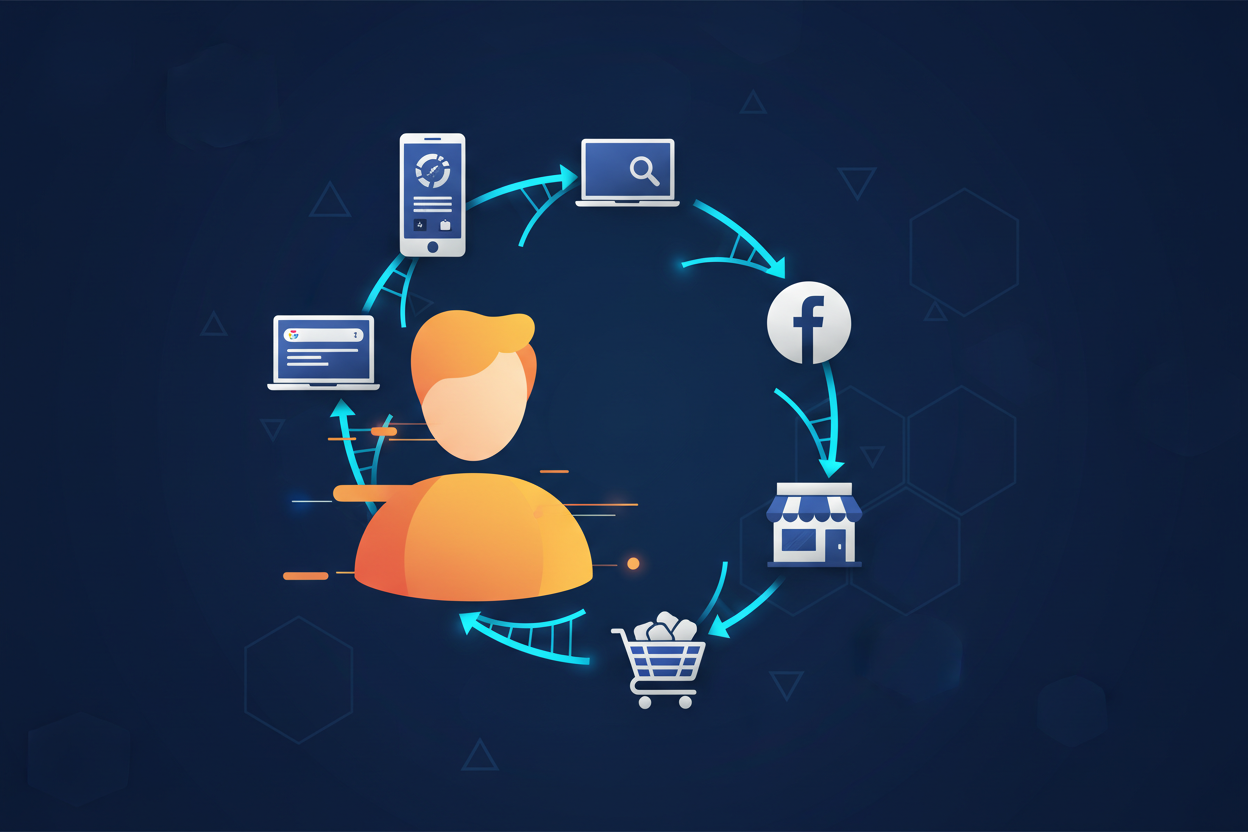
Gone are the days when marketers could rely solely on either digital or traditional channels. Modern consumers live in an omnichannel world where they might discover your brand through a Facebook ad, research you on Google, visit your physical store, and make their final purchase through your mobile app. Understanding how to bridge these touchpoints effectively is what separates successful businesses from those struggling to connect with their audience.
Understanding the Modern Marketing Landscape
The marketing landscape has evolved dramatically over the past decade. While internet marketing offers unprecedented targeting capabilities and measurable results, offline strategies still hold significant value in building trust and creating memorable experiences. Research shows that consumers who interact with brands across multiple channels have a 30% higher lifetime value than those who engage through a single channel.
Internet marketing encompasses everything from search engine optimization and social media advertising to email campaigns and content marketing. These digital strategies excel at reaching specific demographics, tracking user behavior, and providing real-time analytics. However, they sometimes lack the personal touch and tangible experience that offline marketing can provide.
Traditional offline marketing, including print advertising, radio spots, television commercials, and in-person events, continues to play a crucial role in brand building. These channels often create stronger emotional connections and can reach audiences who might not be as digitally engaged. The key is learning how to make these two worlds work together harmoniously.
The Power of Cross-Channel Customer Journey Mapping
To effectively integrate online and offline strategies, you must first understand your customer’s journey across all touchpoints. This process, known as cross-channel customer journey mapping, involves tracking how customers discover, research, and ultimately purchase from your brand through various channels.
Start by identifying all the ways customers might encounter your brand. This could include social media ads, Google searches, word-of-mouth recommendations, print advertisements, radio spots, or seeing your storefront. Then, map out the typical progression from awareness to purchase, noting where online and offline interactions occur.
For example, a customer might first hear about your restaurant through a radio advertisement, then visit your website to check the menu, read reviews on Google, follow you on Instagram for daily specials, and finally visit in person for dinner. Each touchpoint presents an opportunity to reinforce your brand message and guide the customer toward conversion.
Leveraging QR Codes and NFC Technology
One of the most practical ways to bridge online and offline marketing is through QR codes and Near Field Communication (NFC) technology. These tools create instant connections between physical marketing materials and digital experiences, making it easier than ever to track the effectiveness of offline campaigns.
QR codes can be placed on virtually any offline marketing material, from business cards and brochures to billboards and product packaging. When scanned, they can direct users to specific landing pages, social media profiles, video content, or special offers. This not only provides a seamless transition from offline to online but also allows you to track which offline materials are generating the most engagement.
NFC technology takes this concept even further, allowing customers to simply tap their smartphones against NFC-enabled materials to access digital content. This technology is particularly effective at trade shows, retail locations, and events where you want to capture leads quickly and efficiently.
Creating Consistent Brand Messaging Across All Channels
Consistency is the cornerstone of successful integrated marketing. Your brand voice, visual identity, and core messaging must remain cohesive whether a customer encounters you through a Google ad or a magazine advertisement. This consistency builds trust and reinforces brand recognition across all touchpoints.
Develop a comprehensive brand guidelines document that outlines your brand voice, color palette, typography, logo usage, and key messaging points. Share this with all team members responsible for creating marketing materials, whether they’re designing digital ads or planning billboard campaigns.
Your value proposition should be clearly communicated across all channels, but the presentation can be adapted to suit each medium’s strengths. A social media post might use casual language and eye-catching visuals, while a print advertisement might feature more detailed product information and professional imagery. The core message remains the same, but the delivery is optimized for each platform.
Utilizing Data Analytics to Optimize Integrated Campaigns
One of the greatest advantages of integrating online and offline marketing is the ability to gather comprehensive data about your campaigns’ performance. While digital marketing has always provided detailed analytics, modern technology now allows you to track offline interactions as well.
Implement tracking mechanisms such as unique promotional codes for different offline channels, dedicated phone numbers for radio or print ads, and custom landing pages for various campaigns. This data helps you understand which channels are driving the most valuable customers and where to allocate your marketing budget for maximum return on investment.
Customer relationship management (CRM) systems play a crucial role in this process by consolidating data from all touchpoints into a single view of each customer. This comprehensive picture allows you to personalize future interactions and identify the most effective channel combinations for different customer segments.
Event Marketing as a Bridge Between Online and Offline
Events represent one of the most powerful opportunities to integrate online and offline marketing strategies. Whether you’re hosting a webinar, participating in a trade show, or organizing a community event, these occasions naturally combine digital promotion with in-person experiences.
Use social media to build anticipation before the event, sharing behind-the-scenes content and highlighting key speakers or attractions. Create event-specific hashtags to encourage user-generated content and make it easy to track online conversations about your event. During the event, encourage attendees to share their experiences on social media, creating authentic content that extends your reach beyond those physically present.
Follow up after events with email campaigns targeting attendees and social media content featuring event highlights. This approach keeps the conversation going and helps convert event interest into actual sales or long-term customer relationships.
Personalization Strategies That Span Multiple Channels
Modern consumers expect personalized experiences regardless of how they interact with your brand. Successful integration requires developing personalization strategies that work across both online and offline channels, creating a cohesive experience that feels tailored to each individual customer.
Start by collecting customer data at every touchpoint, including email addresses, purchase history, preferences, and demographic information. Use this data to create detailed customer personas and segment your audience for more targeted messaging. For example, customers who frequently purchase online might receive different email content than those who primarily shop in-store.
Implement technology solutions that allow you to recognize customers across channels. When a customer who typically shops online visits your physical store, your staff should be able to access their purchase history and preferences to provide personalized service. Similarly, online recommendations can be influenced by in-store purchases and interactions.
Measuring Success and ROI Across Integrated Campaigns
Measuring the success of integrated marketing campaigns requires a more sophisticated approach than tracking individual channel performance. You need to understand how different channels work together to drive conversions and calculate the true return on investment for your integrated efforts.
Implement attribution modeling to understand how different touchpoints contribute to conversions. This might reveal that while social media ads don’t directly drive many sales, they play a crucial role in initial brand awareness that leads to conversions through other channels later in the customer journey.
Set up key performance indicators (KPIs) that reflect your integrated approach. Instead of just tracking website traffic or foot traffic separately, measure metrics like cross-channel engagement rates, customer lifetime value across all touchpoints, and the percentage of customers who interact with your brand through multiple channels.
Future Trends in Integrated Marketing
As technology continues to evolve, new opportunities for integrating online and offline marketing will emerge. Augmented reality (AR) and virtual reality (VR) technologies are already creating immersive experiences that blend digital and physical elements. Voice search optimization is becoming increasingly important as smart speakers become more prevalent in homes and businesses.
Artificial intelligence and machine learning are making it easier to personalize experiences at scale and predict customer behavior across channels. These technologies can help identify the optimal channel mix for different customer segments and automatically adjust campaigns based on performance data.
The Internet of Things (IoT) is creating new touchpoints where customers can interact with brands, from smart refrigerators that can reorder groceries to connected cars that can recommend nearby restaurants. Successful marketers will need to adapt their integrated strategies to include these emerging touchpoints.
The future of marketing lies in creating seamless, integrated experiences that meet customers wherever they are in their journey. By thoughtfully combining the reach and precision of internet marketing with the trust-building power of offline strategies, businesses can create marketing campaigns that are both more effective and more meaningful to their customers. The key is to start with a deep understanding of your customer journey, maintain consistency across all touchpoints, and continuously measure and optimize your integrated approach. As the marketing landscape continues to evolve, those who master this integration will have a significant competitive advantage in connecting with and converting their target audience.
Free Traffic Sources
Get Access To 15 Of The HOTTEST Free Traffic Sources On The Planet!