
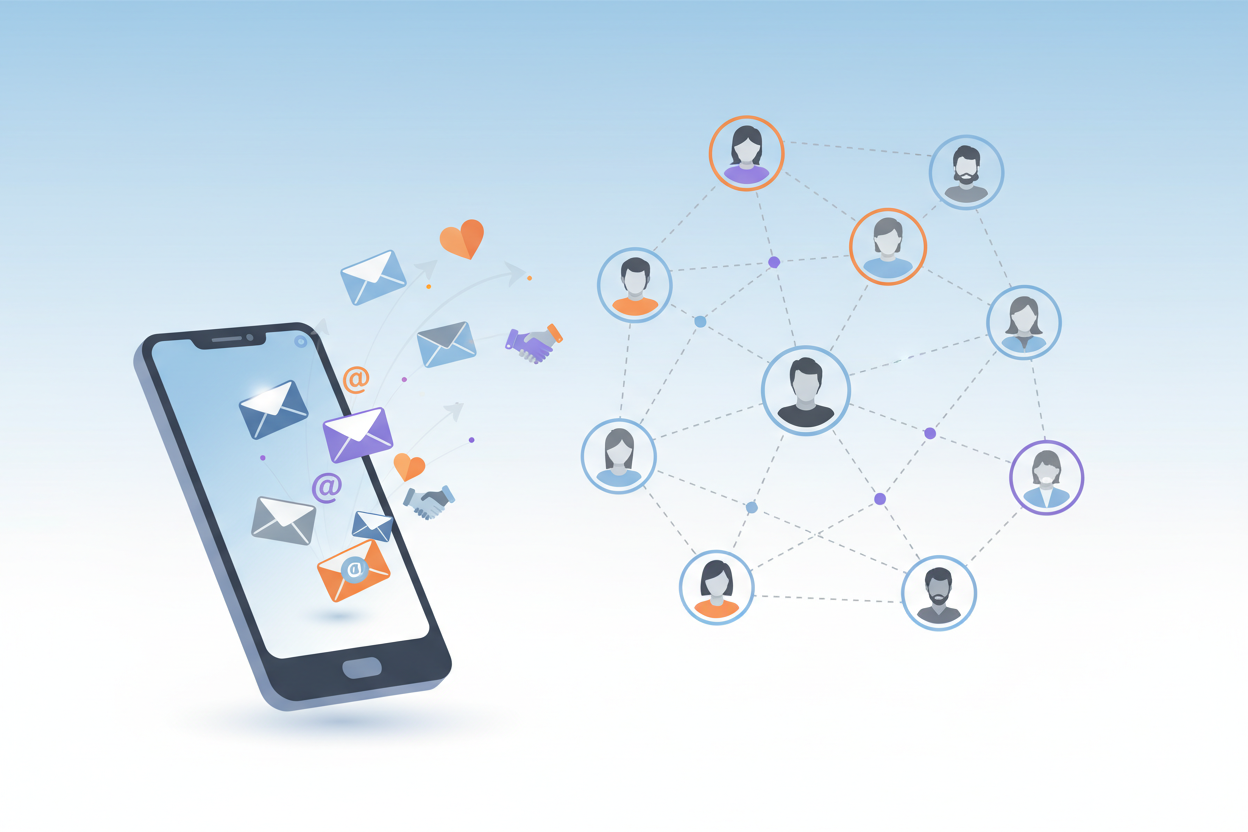
Email Marketing: Building Strong Customer Relationships That Drive Business Growth
In today’s digital landscape, where social media algorithms change overnight and advertising costs continue to climb, email marketing remains one of the most reliable and cost-effective ways to connect with your audience. But here’s the thing – successful email marketing isn’t just about sending promotional messages to your subscriber list. It’s about nurturing genuine relationships with your customers that create lasting value for both your business and your audience.
Think about it this way: your email inbox is a personal space. When someone gives you permission to enter that space, they’re placing trust in you. The question is, what are you going to do with that trust? Are you going to bombard them with sales pitches, or are you going to use that opportunity to build something meaningful?

The most successful businesses understand that email marketing is fundamentally about relationship building. When you focus on creating value, providing solutions, and genuinely caring about your subscribers’ needs, the sales naturally follow. Let’s explore how you can transform your email marketing strategy from a simple promotional tool into a powerful relationship-building engine.
Understanding the Psychology Behind Effective Email Relationships
Before diving into tactics and strategies, it’s crucial to understand what makes people want to engage with emails in the first place. At its core, email marketing success comes down to human psychology and the basic need for connection and value.
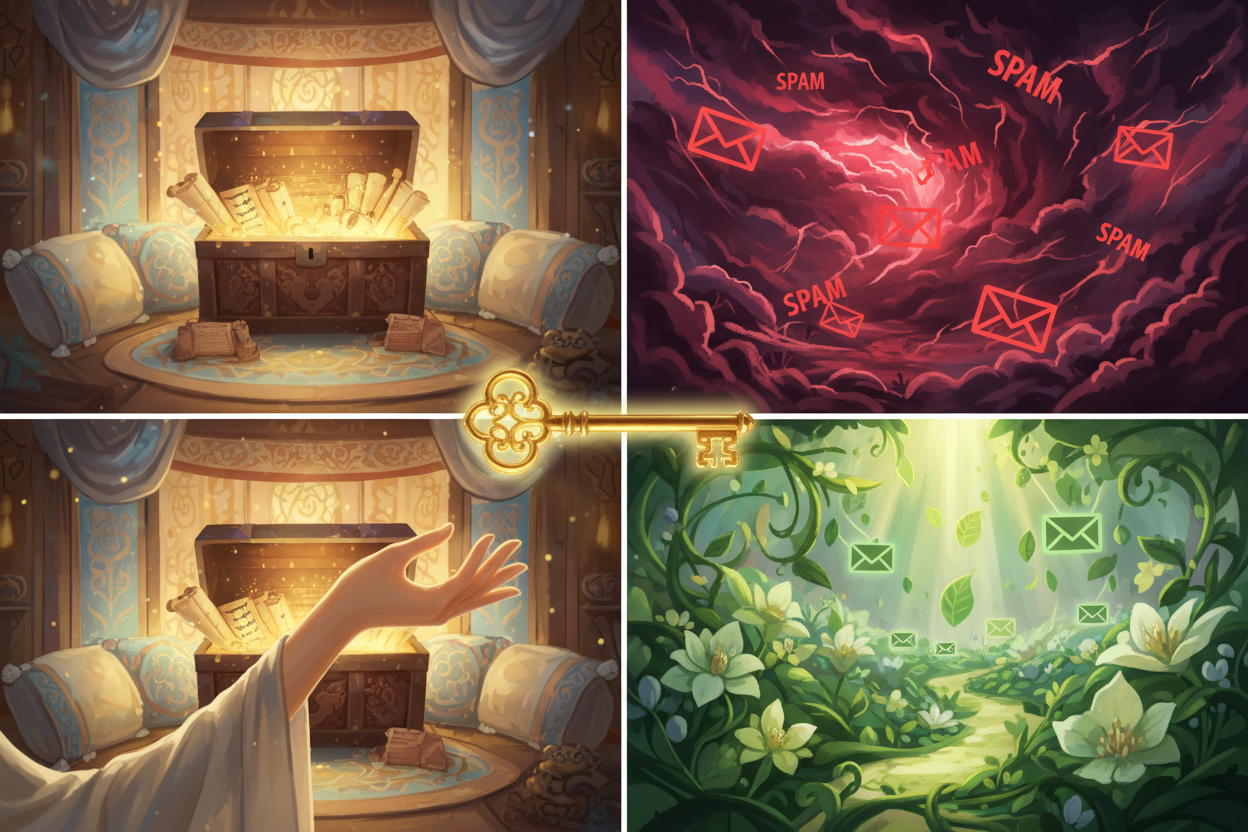
Your subscribers are real people with real problems, aspirations, and busy lives. They’re not just email addresses in your database – they’re individuals who chose to invite your brand into their personal space. This perspective shift changes everything about how you approach email marketing.
When you send an email, you’re essentially knocking on someone’s digital door. The content you deliver determines whether they welcome you in or ask you to leave. People engage with emails that make them feel understood, valued, and heard. They unsubscribe from emails that treat them like walking wallets.
Research consistently shows that personalized, relevant content performs significantly better than generic mass emails. But personalization goes beyond just inserting someone’s first name in the subject line. True personalization means understanding your audience’s pain points, interests, and preferences, then crafting content that speaks directly to those needs.
Crafting Compelling Content That Resonates
The foundation of any strong email marketing relationship is valuable content. Your subscribers need to feel like they’re getting something worthwhile in exchange for their attention and inbox space. This means moving beyond constant promotional messages and focusing on content that educates, entertains, or inspires.
Start by developing a content strategy that provides genuine value. Share industry insights, practical tips, behind-the-scenes stories, or exclusive content that subscribers can’t find anywhere else. The goal is to become a trusted resource rather than just another company trying to sell something.
Storytelling plays a crucial role in creating compelling email content. People connect with stories on an emotional level, and emotions drive decisions. Share customer success stories, talk about your company’s journey, or discuss challenges you’ve overcome. These narratives help humanize your brand and create deeper connections with your audience.
Don’t underestimate the power of educational content either. How-to guides, industry tips, and practical advice position your brand as an expert while providing immediate value to your subscribers. When people learn something useful from your emails, they’re more likely to open future messages and view your brand favorably.
Personalization Strategies That Actually Work
Effective personalization goes far beyond using merge tags to insert names into your emails. True personalization requires understanding your audience segments and tailoring your messaging to meet their specific needs and interests.
Start by segmenting your email list based on relevant criteria such as purchase history, engagement levels, demographics, or behavior patterns. A new subscriber who just joined your list needs different content than a long-time customer who’s made multiple purchases. Someone who frequently engages with your emails might appreciate more detailed content, while occasional readers might prefer shorter, more focused messages.
Behavioral triggers can significantly enhance your personalization efforts. Set up automated email sequences based on specific actions your subscribers take. For example, if someone downloads a particular resource, follow up with related content. If they abandon their shopping cart, send a helpful reminder along with additional product information or customer reviews.
Geographic and demographic personalization can also improve relevance. Tailor your content to reflect local events, weather patterns, or cultural preferences. A clothing retailer might send different seasonal content to subscribers in different climates, while a restaurant chain could promote location-specific offers and events.
Building Trust Through Transparency and Authenticity
Trust forms the backbone of any strong customer relationship, and email marketing provides unique opportunities to build and demonstrate that trust. Transparency about your business practices, honest communication about your products or services, and authentic brand voice all contribute to stronger subscriber relationships.
Be upfront about your email frequency and content expectations from the moment someone subscribes. Set clear expectations about what they’ll receive and how often. If you need to change your email schedule or strategy, communicate these changes to your subscribers rather than implementing them silently.
Authenticity in your email voice makes a significant difference in how subscribers perceive your brand. Don’t try to sound like every other company in your industry. Develop a unique voice that reflects your brand personality and values. Whether you’re professional and informative, casual and friendly, or somewhere in between, consistency in your tone helps build familiarity and trust.
Admit mistakes when they happen. If you send an email with an error, acknowledge it in a follow-up message. If a product doesn’t meet expectations, address the issue honestly. This transparency actually strengthens relationships rather than weakening them, as it shows you’re human and accountable.
Timing and Frequency: Finding the Sweet Spot
Getting the timing and frequency right can make or break your email marketing relationships. Send too many emails, and you risk overwhelming your subscribers. Send too few, and they might forget about your brand entirely. Finding the right balance requires understanding your audience and continuously testing different approaches.
Start by analyzing your audience’s behavior patterns. Look at when your emails get the highest open and click-through rates. While general industry benchmarks suggest certain days and times perform better, your specific audience might have different preferences based on their demographics, time zones, and lifestyles.
Quality should always trump quantity when it comes to email frequency. It’s better to send one valuable email per week than three mediocre ones. Your subscribers will appreciate receiving content that’s worth their time rather than feeling like they need to constantly delete emails from your brand.
Consider implementing preference centers where subscribers can choose their email frequency and content types. This gives them control over their experience while providing you with valuable data about their preferences. When people feel they have control over what they receive, they’re more likely to remain engaged subscribers.
Measuring Success: Key Metrics for Relationship Building
Traditional email marketing metrics like open rates and click-through rates are important, but they don’t tell the whole story when it comes to relationship building. To truly understand how well you’re connecting with your audience, you need to look at a broader range of metrics that reflect engagement quality and long-term relationship health.
List growth rate and churn rate provide insights into how attractive your email program is to new subscribers and how well you’re retaining existing ones. A healthy email program should see steady growth with relatively low unsubscribe rates. If you notice high churn, it might indicate that your content isn’t meeting subscriber expectations.
Engagement depth metrics can reveal how invested your subscribers are in your content. Look at metrics like time spent reading emails, social sharing rates, and responses to calls-to-action that don’t involve immediate purchases. These indicators show whether people are truly connecting with your content or just passively consuming it.
Long-term customer value metrics help you understand the business impact of your relationship-building efforts. Track how email subscribers behave compared to other customers in terms of purchase frequency, average order value, and customer lifetime value. Strong email relationships typically correlate with higher customer loyalty and spending.
Advanced Strategies for Deepening Customer Connections
Once you’ve mastered the fundamentals of relationship-focused email marketing, you can implement more advanced strategies to deepen those connections and create even stronger bonds with your subscribers.
Interactive email content can significantly boost engagement and create more memorable experiences. Incorporate polls, surveys, quizzes, or interactive product showcases that encourage active participation rather than passive consumption. When subscribers engage with interactive elements, they invest more mental energy in your content, leading to stronger brand recall and connection.
User-generated content campaigns can transform your subscribers from passive recipients into active brand advocates. Encourage customers to share their experiences, photos, or stories, then feature this content in your emails. This approach not only provides authentic social proof but also makes your customers feel valued and recognized.
Exclusive subscriber benefits create a sense of community and privilege among your email list. Offer early access to new products, special discounts, or exclusive content that’s only available to email subscribers. This exclusivity makes people feel special for being part of your email community and provides clear value for staying subscribed.
Email marketing remains one of the most powerful tools for building lasting customer relationships, but only when it’s approached with genuine care for your subscribers’ needs and interests. By focusing on value creation, personalization, authenticity, and long-term relationship building rather than just short-term sales, you can transform your email marketing from a simple promotional channel into a powerful engine for customer loyalty and business growth.
Remember that building strong customer relationships through email marketing is a marathon, not a sprint. It requires consistent effort, genuine care for your audience, and a willingness to adapt based on feedback and results. When you get it right, however, the rewards extend far beyond improved email metrics – you’ll build a community of loyal customers who not only buy from you repeatedly but also become enthusiastic advocates for your brand.
The key is to never lose sight of the human element in email marketing. Behind every email address is a real person with real needs, and when you honor that reality with valuable, relevant, and authentic communication, you create the foundation for relationships that benefit both your customers and your business for years to come.
Free Traffic Sources
Get Access To 15 Of The HOTTEST Free Traffic Sources On The Planet!