

Internet Marketing: Cross-Platform Strategies That Actually Drive Results
Remember when marketing meant choosing between Facebook or Google Ads? Those days are long gone. Today’s consumers don’t live on just one platform – they’re scrolling through Instagram during their morning coffee, checking LinkedIn during lunch breaks, and watching TikTok videos before bed. If your internet marketing strategy isn’t keeping up with this multi-platform reality, you’re essentially trying to catch fish with a net that has more holes than mesh.
Cross-platform marketing isn’t just a trendy buzzword that digital agencies throw around to sound sophisticated. It’s become the backbone of successful internet marketing campaigns, and frankly, it’s the difference between brands that thrive and those that barely survive in today’s competitive landscape. Let me walk you through why this approach matters and how you can implement it without losing your sanity or your budget.
Understanding Cross-Platform Marketing in Today’s Digital Ecosystem
Cross-platform marketing is essentially the art and science of creating cohesive campaigns that work seamlessly across multiple digital channels. Think of it as conducting an orchestra where each platform plays its unique instrument, but they all contribute to the same beautiful symphony. Your Instagram posts complement your email campaigns, which support your Google Ads, which drive traffic to your website – it’s all interconnected.
The beauty of this approach lies in its ability to meet customers wherever they are in their digital journey. Sarah might discover your brand through a Facebook ad, research your products on your website, read reviews on Google, and finally make a purchase after seeing a retargeting ad on Instagram. That’s not one touchpoint – that’s a carefully orchestrated cross-platform experience.
What makes cross-platform strategies so powerful is their ability to reinforce your message through repetition and consistency. When someone sees your brand message across multiple platforms, it builds trust and familiarity. It’s like bumping into someone at different coffee shops around town – eventually, you start to feel like you know them.
Essential Platforms for Cross-Platform Internet Marketing Success
Not all platforms are created equal, and trying to be everywhere at once is a recipe for mediocrity. The key is identifying which platforms align with your audience’s behavior and your business goals. Let’s break down the heavy hitters that should probably be on your radar.
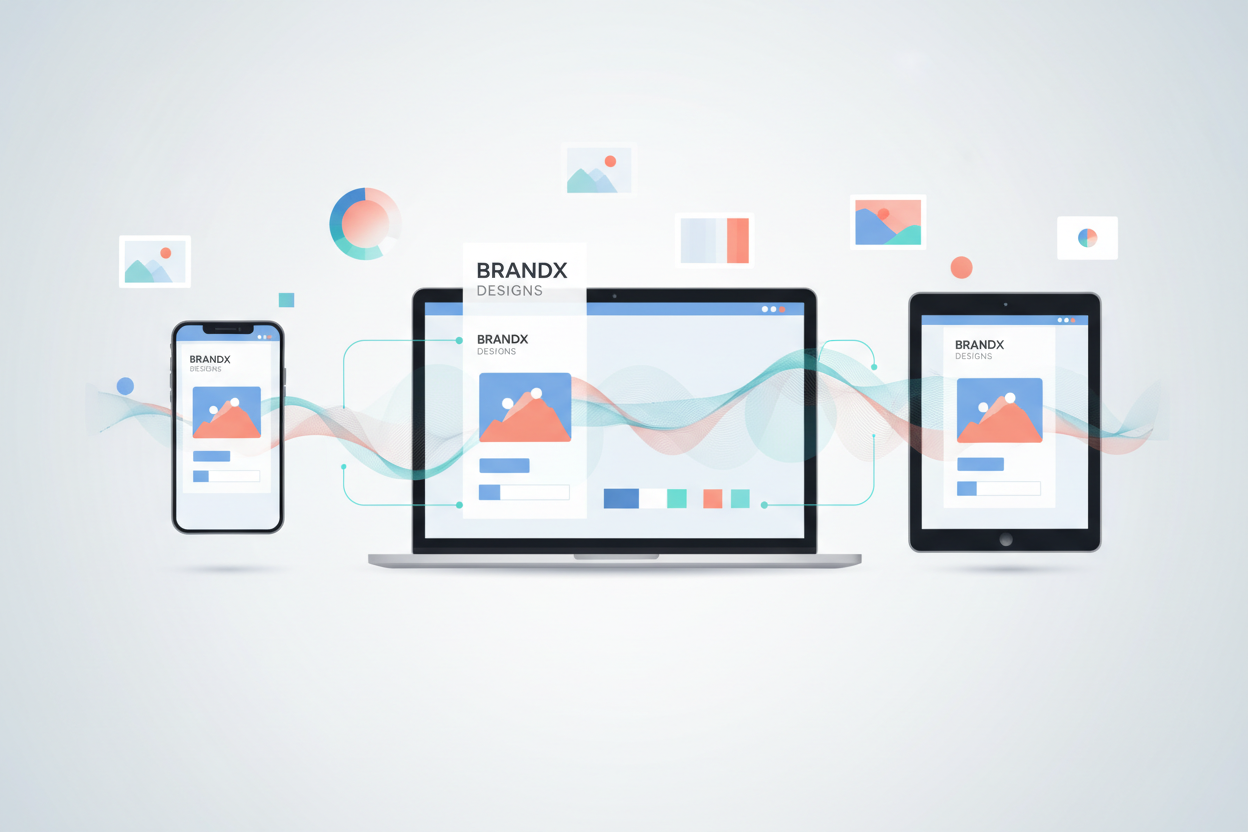
Social media platforms like Facebook, Instagram, LinkedIn, and TikTok each serve different purposes in your marketing ecosystem. Facebook excels at community building and detailed targeting, while Instagram is your visual storytelling powerhouse. LinkedIn dominates the B2B space, and TikTok has become the unexpected champion for reaching younger audiences with authentic, creative content.
Search engine marketing through Google Ads and Microsoft Advertising captures intent-driven traffic – people who are actively looking for solutions you provide. Email marketing remains one of the highest ROI channels, offering direct communication with your audience. Your website serves as the central hub where all these efforts converge, making it crucial for conversion optimization.
Content platforms like YouTube, podcasts, and even emerging platforms like Clubhouse can amplify your reach and establish thought leadership. The trick isn’t being on every platform – it’s being strategic about which ones align with your resources and audience preferences.
Building a Cohesive Brand Message Across Multiple Channels
Here’s where many marketers stumble – they treat each platform like a separate entity instead of part of a unified brand experience. Your brand voice should be recognizable whether someone encounters you on Twitter or in their inbox, but that doesn’t mean every message should be identical.
Start with your core brand message and values, then adapt the delivery method to fit each platform’s unique culture and format. Your LinkedIn posts might be more professional and industry-focused, while your TikTok content could be playful and behind-the-scenes. The underlying message remains consistent, but the packaging changes to resonate with each platform’s audience expectations.
Visual consistency is equally important. Your color palette, fonts, and imagery style should create a cohesive brand experience. When someone moves from your Instagram ad to your website to your email newsletter, they should feel like they’re still engaging with the same brand. This visual thread helps build recognition and trust across touchpoints.
Timing and messaging coordination can amplify your impact significantly. When you launch a new product or campaign, having synchronized messaging across platforms creates a sense of momentum and importance. It’s like having multiple people recommend the same restaurant – the repetition adds credibility and urgency.
Data Integration and Analytics for Cross-Platform Campaigns
This is where things get really interesting – and admittedly, a bit complex. Cross-platform marketing generates data from multiple sources, and making sense of it all can feel like trying to solve a puzzle where the pieces keep changing shape. But when you get it right, the insights are incredibly powerful.
Attribution modeling becomes crucial when customers interact with multiple touchpoints before converting. Was it the Facebook ad that started their journey, the email that brought them back, or the Google search that finally convinced them to buy? Understanding these pathways helps you allocate budget more effectively and optimize the customer journey.
Tools like Google Analytics 4, Facebook Business Manager, and marketing automation platforms can help you track cross-platform performance. The key is setting up proper tracking from the beginning and establishing clear KPIs for each platform that roll up into your overall business objectives.
Customer lifetime value becomes more apparent when you can see the full cross-platform journey. A customer acquired through an expensive Google Ad might seem unprofitable until you realize they also engage heavily with your email campaigns and social media, leading to multiple purchases over time.
Automation and Technology Tools for Seamless Integration
Let’s be honest – managing cross-platform campaigns manually is like trying to juggle while riding a unicycle. It’s technically possible, but why would you want to? Marketing automation tools have evolved to handle much of the heavy lifting, allowing you to focus on strategy and creativity rather than repetitive tasks.
Marketing automation platforms like HubSpot, Marketo, or Mailchimp can help orchestrate campaigns across multiple channels. These tools can trigger email sequences based on social media engagement, retarget website visitors with social ads, and score leads based on cross-platform behavior.
Social media management tools like Hootsuite or Sprout Social centralize your social presence, allowing you to schedule posts, monitor mentions, and analyze performance across platforms from a single dashboard. This centralization is crucial for maintaining consistency and responding quickly to opportunities or issues.
Customer relationship management systems become the central nervous system of your cross-platform efforts, storing all customer interactions and touchpoints in one place. This unified view enables personalized experiences and helps identify the most effective channel combinations for different customer segments.
Measuring ROI and Optimizing Cross-Platform Performance
Here’s where the rubber meets the road – proving that your cross-platform efforts are actually driving business results. Measuring ROI across platforms requires a shift from channel-specific metrics to holistic business outcomes.
Start by establishing clear conversion paths and assigning value to different types of interactions. A newsletter signup might be worth $5, a webinar attendance $25, and a purchase $100. This approach helps you understand the cumulative value of cross-platform touchpoints, even when they don’t immediately result in sales.
Regular performance audits help identify which platform combinations work best for different objectives. You might discover that LinkedIn ads combined with email nurturing work exceptionally well for B2B leads, while Instagram ads paired with retargeting drive the most e-commerce sales.
A/B testing becomes more sophisticated in cross-platform environments. You can test different message sequences, timing combinations, and channel priorities to optimize the entire customer journey rather than just individual touchpoints.
Future Trends in Cross-Platform Internet Marketing
The cross-platform marketing landscape continues evolving at breakneck speed. Artificial intelligence and machine learning are making it easier to personalize experiences across platforms and predict the most effective channel combinations for individual customers.
Voice search and smart speakers are creating new touchpoints that need integration with existing strategies. Privacy regulations like iOS 14.5 and GDPR are forcing marketers to find new ways to track and optimize cross-platform performance while respecting user privacy.
The rise of social commerce is blurring the lines between discovery, consideration, and purchase, making seamless cross-platform experiences even more critical. Customers increasingly expect to research on one platform and purchase on another without friction.
Conclusion
Cross-platform internet marketing isn’t just the future – it’s the present reality for brands that want to remain competitive. The key is starting with a clear strategy, focusing on platforms where your audience actually spends time, and building systems that allow for coordination without chaos.
Remember, successful cross-platform marketing isn’t about being everywhere at once. It’s about being strategic, consistent, and customer-focused across the channels that matter most to your business. Start small, measure everything, and gradually expand your cross-platform efforts as you learn what works for your unique audience and objectives.
The brands that master cross-platform integration won’t just survive in today’s fragmented digital landscape – they’ll thrive by creating seamless, valuable experiences that keep customers engaged across every touchpoint. The question isn’t whether you should implement cross-platform strategies, but how quickly you can get started.
Free Traffic Sources
Get Access To 15 Of The HOTTEST Free Traffic Sources On The Planet!