
Affiliate Marketing: Legal Considerations and Compliance You Can’t Afford to Ignore
Affiliate marketing has exploded into a multi-billion dollar industry, offering entrepreneurs and content creators incredible opportunities to monetize their online presence. However, with great opportunity comes great responsibility – and in this case, significant legal obligations that many affiliates overlook until it’s too late.
Whether you’re just starting your affiliate marketing journey or you’ve been in the game for years, understanding the legal landscape isn’t just smart business practice – it’s essential for protecting yourself, your audience, and your income. The days of operating in a legal gray area are long gone, and regulatory bodies worldwide are cracking down on non-compliant affiliate practices.
In this comprehensive guide, we’ll walk through the critical legal considerations every affiliate marketer needs to understand, from disclosure requirements to data privacy regulations. By the end, you’ll have a clear roadmap for building a compliant, sustainable affiliate marketing business that stands the test of time.
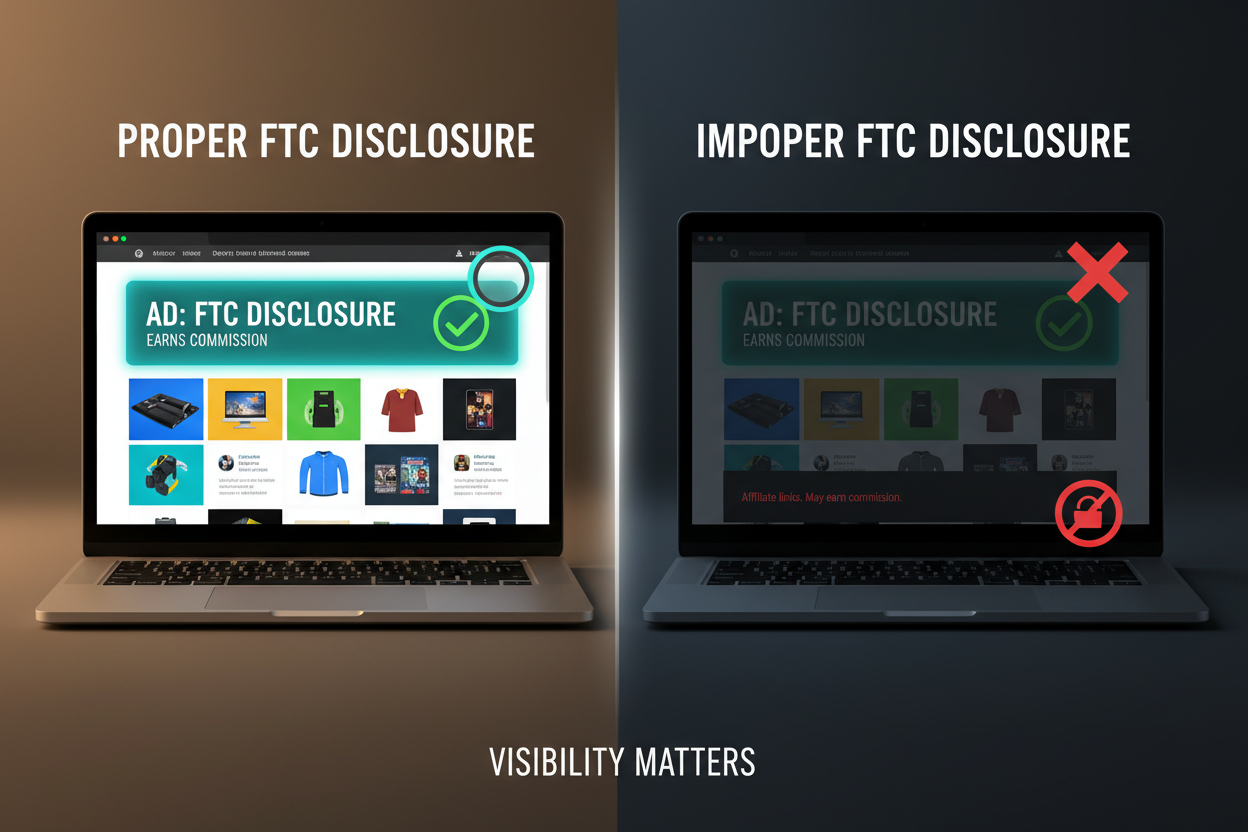
Understanding FTC Disclosure Requirements
The Federal Trade Commission (FTC) has been crystal clear about one thing: transparency in affiliate marketing isn’t optional. Their guidelines require affiliates to disclose their financial relationships with brands in a way that’s clear, conspicuous, and easily understood by consumers.
What does this mean in practice? Simply adding a tiny disclaimer at the bottom of your website won’t cut it. The FTC expects disclosures to be placed where consumers can easily see them before they click on affiliate links or make purchasing decisions. This means incorporating disclosures directly into your content, not hiding them in terms of service pages or footer text that nobody reads.
The language of your disclosure matters too. Phrases like “I may receive compensation” or “This post contains affiliate links” are acceptable, but they need to be in plain English that your grandmother could understand. Avoid industry jargon or overly technical explanations that might confuse your audience.
For social media platforms, disclosure becomes even trickier. Instagram posts need clear hashtags like #ad or #affiliate, and these need to appear early in your caption, not buried among twenty other hashtags. YouTube videos require verbal disclosures in addition to written ones in the description box. Remember, platform-specific disclosure requirements can vary, so staying informed about each platform’s rules is crucial.
International Compliance Standards
If you thought FTC compliance was comprehensive, wait until you dive into international regulations. The global nature of affiliate marketing means your legal obligations extend far beyond U.S. borders, especially if you’re targeting international audiences or working with global brands.
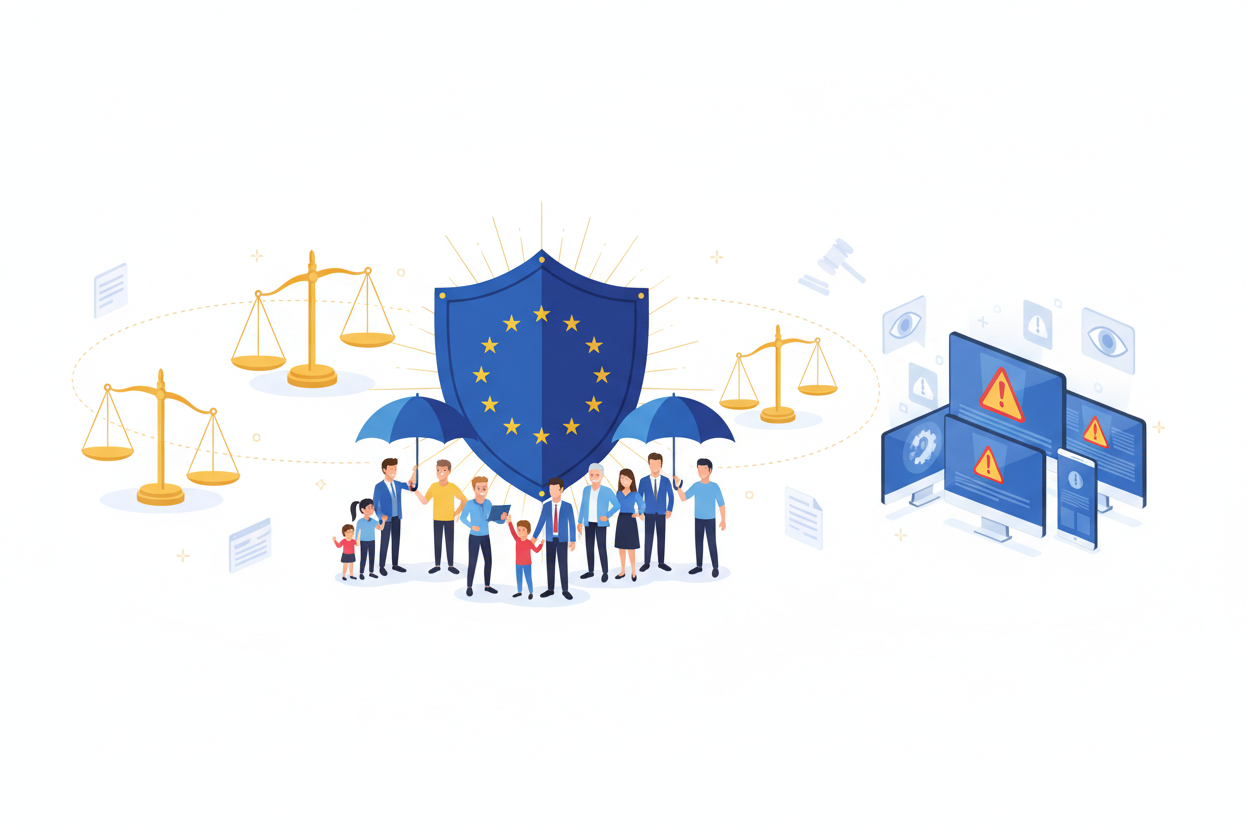
The European Union’s approach to affiliate marketing compliance is particularly stringent. Under EU consumer protection laws, misleading advertising can result in hefty fines and legal action. The key difference here is that EU regulations often place more emphasis on protecting consumer rights and require even more explicit disclosure of commercial relationships.
Canada’s Competition Act includes specific provisions about misleading advertising that affect affiliate marketers. The Canadian approach focuses heavily on the overall impression created by marketing materials, meaning even technically accurate statements can be problematic if they create misleading impressions about products or services.
Australia’s Australian Consumer Law (ACL) prohibits misleading and deceptive conduct in trade and commerce, which directly impacts affiliate marketing practices. The Australian Competition and Consumer Commission (ACCC) has been particularly active in pursuing cases against non-compliant affiliate marketers.
For affiliate marketers operating internationally, the safest approach is to comply with the most stringent regulations that apply to your audience. This might seem like overkill, but it’s far better than facing legal action in multiple jurisdictions.
Data Privacy and GDPR Implications
The General Data Protection Regulation (GDPR) fundamentally changed how businesses handle personal data, and affiliate marketers aren’t exempt from these requirements. If you’re collecting email addresses, tracking user behavior, or using cookies on your website, GDPR compliance isn’t optional – it’s mandatory for anyone with EU visitors.
Cookie consent has become a major consideration for affiliate websites. Those pop-up cookie banners you see everywhere aren’t just for show – they’re legal requirements under GDPR. More importantly, you need explicit consent before placing tracking cookies, which can significantly impact your affiliate tracking and analytics.
Email marketing, a cornerstone of many affiliate strategies, faces strict GDPR requirements. You can no longer assume that purchasing a product gives you permission to send promotional emails. Instead, you need clear, explicit consent for each type of communication you plan to send.
The California Consumer Privacy Act (CCPA) creates similar obligations for businesses serving California residents. While the specific requirements differ from GDPR, the underlying principle remains the same: consumers have rights over their personal data, and businesses must respect those rights.
Data processing agreements with affiliate networks and tracking platforms have become essential. You need to ensure that every third party you work with is also GDPR compliant, as you can be held responsible for their data handling practices.
Intellectual Property and Content Rights
Affiliate marketing often involves creating content about products and brands, which can quickly lead to intellectual property issues if you’re not careful. Understanding the boundaries of fair use and obtaining proper permissions is crucial for avoiding costly legal disputes.
Product images present a common pitfall for affiliate marketers. Just because a brand provides affiliate links doesn’t mean they’ve granted you permission to use their copyrighted images. Always obtain explicit permission before using manufacturer photos, or invest in creating your own original content.
Trademark usage requires particular attention. While you can generally mention trademarked brand names in your content, using them in domain names, paid advertising, or in ways that might confuse consumers about your relationship with the brand can lead to trademark infringement claims.
Content creation and fair use become important considerations when reviewing products or creating educational content. While you have some protection under fair use doctrines, these protections have limits, especially when your content is clearly commercial in nature.
Brand partnership agreements should clearly outline intellectual property rights and usage permissions. Don’t assume that joining an affiliate program gives you carte blanche to use brand assets – always read the terms carefully and ask for clarification when needed.
Tax Obligations and Financial Reporting
Affiliate income is taxable income, period. The IRS and tax authorities worldwide are increasingly sophisticated in tracking digital income streams, and affiliate marketers who fail to properly report their earnings face serious consequences.
Form 1099 reporting requirements mean that affiliate networks and individual merchants may report payments to you directly to the IRS. This creates a paper trail that makes it nearly impossible to hide affiliate income, even if you wanted to.
International tax obligations become complex when you’re earning from global affiliate programs. Different countries have different thresholds for tax obligations, and some have tax treaties that affect how your income is taxed.
Business structure considerations can significantly impact your tax obligations and legal protections. Operating as a sole proprietor, LLC, or corporation each comes with different tax implications and liability protections that every serious affiliate marketer should understand.
Record keeping requirements extend beyond simple income tracking. You need to maintain detailed records of business expenses, affiliate payments, and any business-related communications that might be relevant for tax or legal purposes.
Platform-Specific Legal Requirements
Each platform where you promote affiliate products has its own terms of service and legal requirements that you must follow in addition to general compliance obligations.
Google Ads has specific policies about affiliate marketing that can result in account suspension if violated. These policies cover everything from landing page quality to disclosure requirements and prohibited content types.
Facebook and Instagram advertising policies include detailed restrictions on affiliate marketing, particularly around health, financial, and weight loss products. The platform’s community standards also affect organic content promotion strategies.
Amazon Associates, one of the largest affiliate programs, has particularly detailed operating agreements that affiliates must follow. Violations can result in account termination and forfeiture of earned commissions.
YouTube’s monetization policies affect how affiliate marketers can promote products on the platform. Recent changes have made disclosure requirements more stringent and added restrictions on certain types of promotional content.
Building a Compliant Affiliate Marketing Strategy
Creating a legally compliant affiliate marketing business requires systematic planning and ongoing attention to regulatory changes. The good news is that compliance doesn’t have to stifle creativity or profitability – it just requires thoughtful implementation.
Start by creating standard operating procedures for disclosure, content creation, and data handling. Having documented processes makes compliance easier to maintain as your business grows and helps ensure consistency across all your marketing activities.
Regular legal reviews should become part of your business routine. Laws and regulations change frequently, and what was compliant last year might not be acceptable today. Consider working with a lawyer who specializes in digital marketing to conduct periodic compliance audits.
Documentation and record keeping systems need to be robust enough to withstand regulatory scrutiny. This means maintaining detailed records of affiliate relationships, disclosure practices, and any legal advice you’ve received.
Staying informed about regulatory changes is crucial for long-term success. Subscribe to FTC updates, join affiliate marketing communities that discuss compliance issues, and consider attending industry conferences where legal updates are discussed.
Conclusion
Legal compliance in affiliate marketing isn’t just about avoiding fines or legal trouble – it’s about building a sustainable, trustworthy business that serves your audience well. While the legal landscape might seem daunting at first, understanding and implementing proper compliance measures actually strengthens your business foundation and builds consumer trust.
The affiliate marketing industry continues to mature, and with that maturation comes increased regulatory scrutiny. Marketers who embrace compliance early will find themselves at a significant advantage over those who try to cut corners or ignore legal requirements.
Remember, compliance isn’t a one-time checklist item – it’s an ongoing responsibility that evolves with your business and the regulatory environment. By staying informed, implementing proper procedures, and prioritizing transparency with your audience, you can build an affiliate marketing business that thrives within the legal framework rather than despite it.
The investment you make in legal compliance today will pay dividends in the form of sustainable income, reduced legal risk, and stronger relationships with both your audience and affiliate partners. In an industry where trust is everything, legal compliance isn’t just good business practice – it’s your competitive advantage.
Free Traffic Sources
Get Access To 15 Of The HOTTEST Free Traffic Sources On The Planet!