Email Marketing: Storytelling Techniques for Engagement That Actually Work
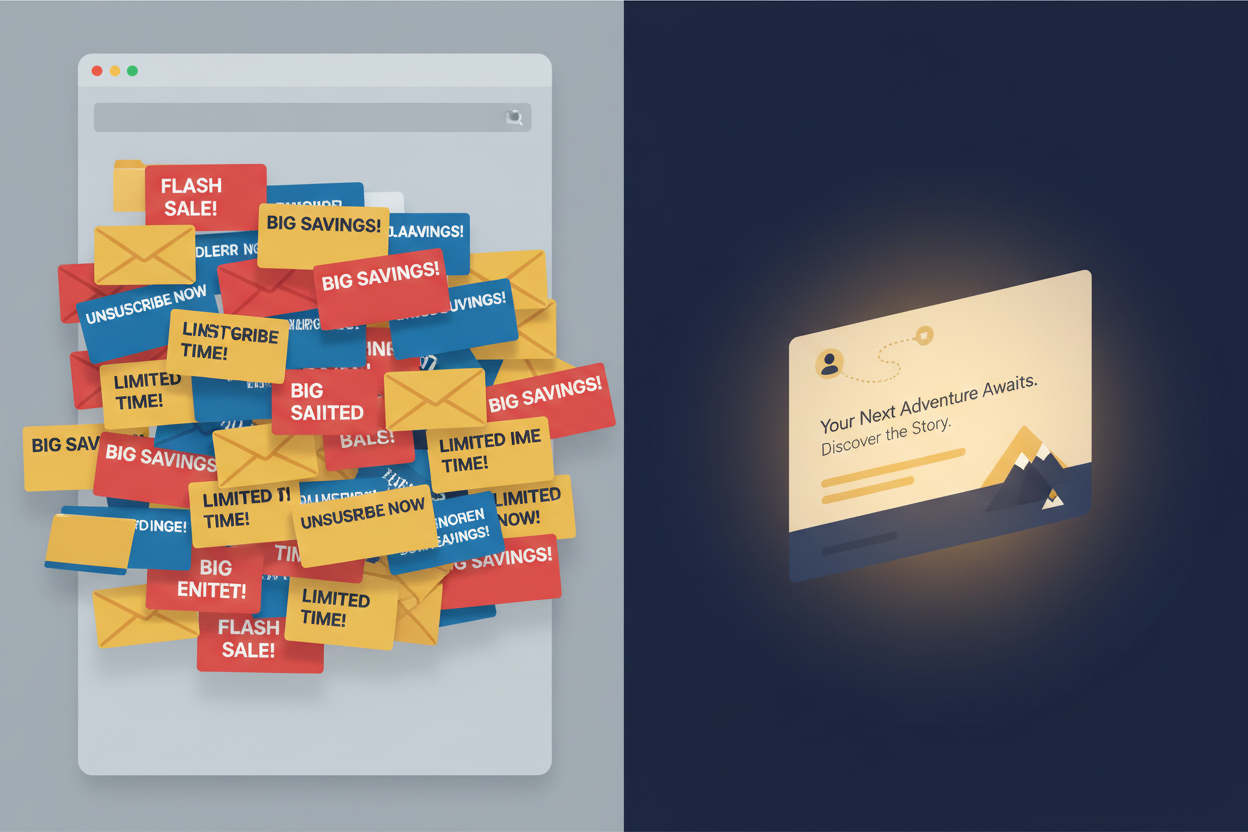
Picture this: you open your inbox to find dozens of promotional emails, but only one catches your attention. It doesn’t start with “SALE! 50% OFF!” Instead, it begins with a story about a customer who found their perfect solution through the brand. That’s the power of storytelling in email marketing – it transforms mundane promotional content into compelling narratives that readers actually want to engage with.
In today’s overcrowded digital landscape, where the average person receives over 120 emails daily, storytelling has become the secret weapon that separates memorable campaigns from forgotten spam. When done right, storytelling in email marketing doesn’t just increase open rates; it builds genuine connections, drives conversions, and creates loyal customers who look forward to hearing from you.
Why Storytelling Transforms Email Marketing Performance
The human brain is hardwired for stories. From ancient cave paintings to modern Netflix series, we’ve always been drawn to narratives that help us make sense of the world. This psychological predisposition makes storytelling one of the most powerful tools in your email marketing arsenal.
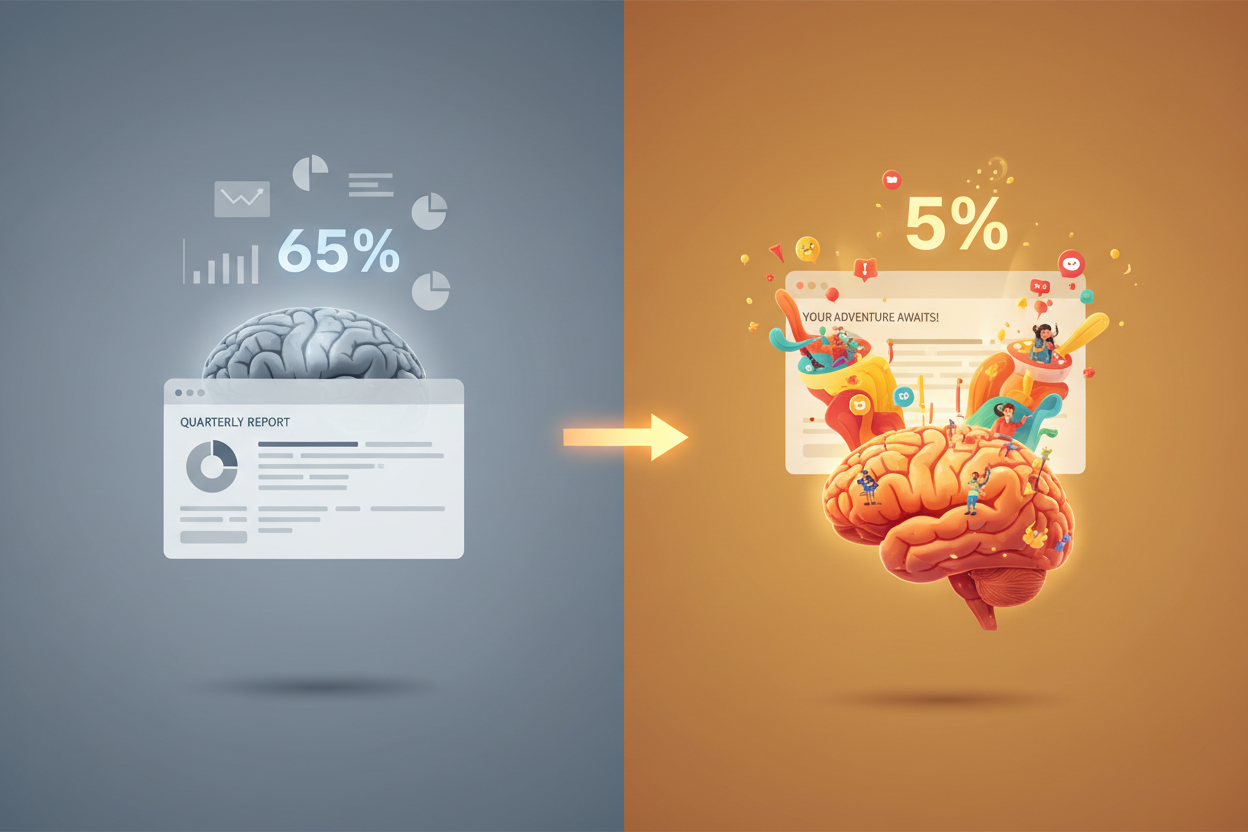
When you incorporate storytelling into your email campaigns, you’re not just sharing information – you’re creating an emotional experience. Stories activate multiple areas of the brain simultaneously, making your message more memorable and persuasive than traditional promotional content. Research shows that people retain 65% of information when it’s presented as a story, compared to only 5% when presented as statistics alone.
Moreover, storytelling helps humanize your brand. Instead of appearing as a faceless corporation pushing products, you become a relatable entity with values, challenges, and triumphs that mirror your audience’s own experiences. This emotional connection is what transforms casual subscribers into devoted brand advocates.
The Psychology Behind Story-Driven Email Engagement
Understanding the psychological mechanisms that make storytelling so effective can help you craft more compelling email campaigns. When we hear a story, our brains release oxytocin, often called the “trust hormone.” This neurochemical response creates feelings of empathy and connection, making readers more receptive to your message.
Stories also trigger what psychologists call “neural coupling.” When someone reads or hears a narrative, their brain activity mirrors that of the storyteller. This phenomenon creates a shared experience between you and your subscribers, fostering deeper engagement and understanding.
Additionally, stories provide context and meaning to abstract concepts. Rather than simply stating that your product is “innovative” or “life-changing,” a story demonstrates these qualities through real-world applications and outcomes. This concrete evidence is far more convincing than empty adjectives.
Essential Elements of Compelling Email Stories
Every great email story shares certain fundamental components that capture attention and drive engagement. The first element is a relatable protagonist – someone your audience can see themselves in. This might be a customer facing a challenge similar to what your subscribers experience, or even your brand’s founder navigating the early days of building the company.
Conflict or tension forms the heart of any engaging story. In email marketing, this often manifests as a problem that needs solving, a goal that seems out of reach, or an obstacle that threatens success. The key is making this conflict relevant to your audience’s own struggles and aspirations.
The resolution showcases how your product, service, or philosophy provides the solution. However, this shouldn’t feel like a heavy-handed sales pitch. Instead, let the solution emerge naturally from the narrative, demonstrating value through action rather than assertion.
Emotional resonance ties everything together. Whether you’re evoking joy, relief, inspiration, or determination, the emotional core of your story is what makes it memorable and shareable. Don’t be afraid to show vulnerability or admit mistakes – authenticity often resonates more strongly than perfection.
Proven Storytelling Frameworks for Email Marketing Success
The Hero’s Journey framework, popularized by Joseph Campbell, works exceptionally well for email marketing. Your customer becomes the hero facing a challenge (the problem your product solves), encounters obstacles (pain points and frustrations), and ultimately triumphs with the help of a guide (your brand). This framework is particularly effective for onboarding sequences and case study emails.
The Before-and-After structure provides a simple yet powerful way to demonstrate transformation. Start by painting a picture of your customer’s situation before discovering your solution, then reveal the positive changes that followed. This framework works beautifully for testimonial campaigns and product launch announcements.
The Problem-Agitation-Solution model begins by identifying a problem your audience faces, then amplifies the frustration or consequences of not addressing it, before presenting your solution as the logical next step. While this framework requires careful execution to avoid seeming manipulative, it can be highly effective when used authentically.
The Day-in-the-Life approach follows someone through their routine, highlighting how your product or service seamlessly integrates into their daily experience. This framework is excellent for demonstrating practical applications and building lifestyle associations with your brand.
Crafting Irresistible Subject Lines Through Storytelling
Your subject line is the gateway to your story, and incorporating narrative elements can significantly boost open rates. Instead of generic promotional language, try teasing the story within. “How Sarah turned her spare room into a $5K monthly income stream” is far more intriguing than “Make money from home.”
Curiosity gaps work exceptionally well in story-driven subject lines. Create intrigue by hinting at an outcome without revealing the method: “The mistake that accidentally doubled our conversion rate” or “What happened when we ignored our biggest competitor.” These subject lines promise a story worth reading.
Personal and conversational subject lines can also hint at the narrative approach within your email. “I thought you’d want to know about this” or “Quick story about yesterday’s meeting” feel more like messages from a friend than promotional emails, increasing the likelihood of engagement.
Building Narrative Arcs Across Email Sequences
While individual emails benefit from storytelling, creating narrative arcs across entire email sequences can dramatically increase engagement and conversion rates. Think of your email series as chapters in a book, each building upon the previous installment while advancing the overall story.
Welcome sequences offer perfect opportunities for multi-part storytelling. Begin with your brand’s origin story, continue with customer success stories, and conclude with the subscriber’s potential future with your company. This approach transforms a typical onboarding process into an engaging narrative journey.
Product launch campaigns can follow a protagonist (perhaps a beta tester or early customer) as they discover, test, and benefit from your new offering. This approach builds anticipation while providing social proof and demonstrating real-world applications.
Educational series work well with the mentor-student narrative framework. Position yourself as the experienced guide sharing hard-won wisdom, with each email revealing new insights or techniques that move your subscribers closer to their goals.
Measuring and Optimizing Your Story-Driven Email Campaigns
Success in story-driven email marketing requires tracking metrics beyond basic open and click rates. Engagement time – how long subscribers spend reading your emails – provides valuable insights into narrative effectiveness. Story-driven emails typically generate longer engagement times than traditional promotional content.
Forward rates and social shares indicate whether your stories resonate strongly enough that subscribers want to share them with others. High sharing rates suggest your narratives are creating emotional connections that extend beyond the immediate transaction.
Conversion attribution becomes more complex with storytelling campaigns, as the impact often extends across multiple touchpoints. Implement tracking that accounts for the cumulative effect of your narrative approach rather than attributing conversions solely to the final email in a sequence.
A/B testing story elements can reveal what resonates most with your audience. Test different protagonists, conflict types, emotional tones, and resolution styles to optimize your narrative approach. Remember that what works for one audience segment may not work for another, so segment your testing accordingly.
Common Storytelling Mistakes to Avoid in Email Marketing
One of the most frequent mistakes is making the story too long or complex for the email format. While detailed narratives work well in blog posts or video content, email stories need to be concise and scannable. Aim for stories that can be consumed in under two minutes while still delivering emotional impact.
Another common pitfall is forcing a story where none exists naturally. Not every email needs a narrative framework – sometimes straightforward information or announcements are more appropriate. Use storytelling strategically rather than as a default approach for every communication.
Failing to connect the story to your call-to-action creates a disconnect that confuses readers and reduces conversions. Your narrative should naturally lead to the desired action, making the next step feel like a logical continuation of the story rather than an abrupt shift to sales mode.
Inconsistent brand voice across your stories can undermine credibility and confuse your audience. Develop clear guidelines for how your brand tells stories, including tone, perspective, and values, then ensure all team members follow these guidelines consistently.
Conclusion: Transforming Your Email Marketing Through Strategic Storytelling
Email marketing storytelling isn’t just about entertaining your subscribers – it’s about creating meaningful connections that drive real business results. When you master the art of narrative in your email campaigns, you transform routine communications into anticipated experiences that subscribers genuinely value.
The key to success lies in understanding your audience deeply enough to tell stories that resonate with their experiences, challenges, and aspirations. Start small by incorporating simple narrative elements into your existing campaigns, then gradually build more sophisticated story arcs as you gain confidence and gather data on what works best for your specific audience.
Remember that great storytelling in email marketing isn’t about perfect prose or elaborate plots – it’s about authentic human connections. Focus on real experiences, genuine emotions, and honest solutions. Your subscribers will reward this authenticity with higher engagement, increased loyalty, and ultimately, better business outcomes.
As you implement these storytelling techniques, monitor your metrics closely and remain open to experimentation. The most effective email marketers are those who continuously refine their narrative approach based on subscriber feedback and performance data. With patience, practice, and persistence, storytelling can transform your email marketing from a necessary business function into a powerful relationship-building tool that drives sustainable growth.
Free Traffic Sources
Get Access To 15 Of The HOTTEST Free Traffic Sources On The Planet!